
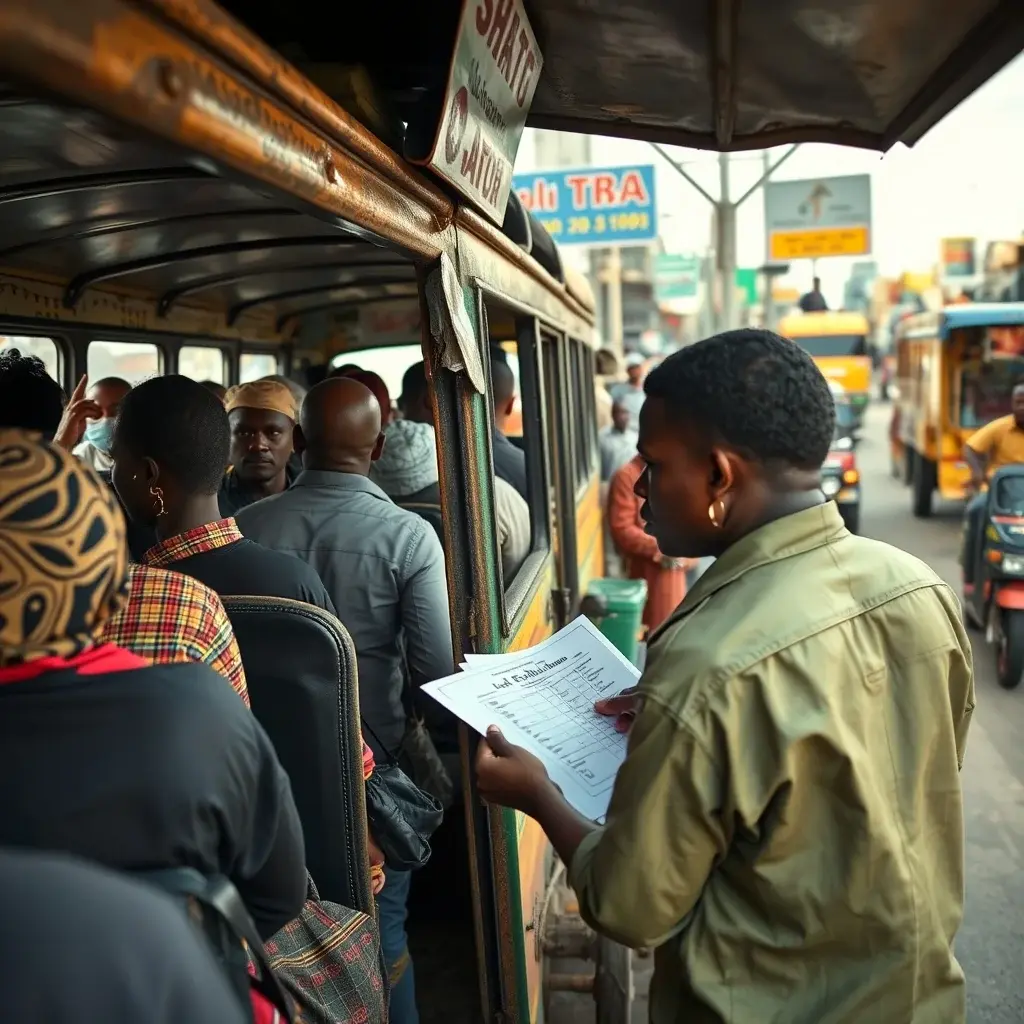
Commuters across Ghana will face a 20% increase in public transport fares starting Tuesday, June 2, 2026. The Ghana Private Road Transport Union (GPRTU) and other commercial transport operators announced the adjustment, which affects ‘trotro’ services, inter-city travel, and shared taxis nationwide.
Rising Operational Costs Drive Fare Hike
The decision, announced on Friday, May 29, comes after extensive consultations with members and stakeholders. Transport operators cited the persistent rise in fuel prices and escalating costs for essential vehicle maintenance components, including tires, batteries, and engine oil, as the primary drivers for the unavoidable fare adjustment.
Samuel Amoah, National Deputy PRO of the GPRTU, highlighted the significant financial pressure on drivers and vehicle owners. He stated that the current operating environment makes it increasingly difficult to sustain transport services without a fare review. “This increment should have come long ago… but looking at where it [price] is now….if we don’t come up with this increment, it will disturb the work. Even the drivers are complaining seriously,” Amoah lamented.
Operators noted that they had held off on the increase, hoping for a reduction in fuel prices as previously suggested. However, the sustained high costs have made further delay untenable. The GPRTU and allied groups had previously communicated that the fare review was necessary and legitimate due to the sustained high cost of fuel and spare parts over recent months.
Ensuring Service Continuity and Profitability
The rising operational costs have directly impacted the ability of transport operators to maintain their vehicles and remain profitable. The fare adjustment aims to cushion drivers and vehicle owners against these escalating expenses, ensuring the continued provision of transport services to the public.
The GPRTU assured the public that updated fare schedules would be prominently displayed at all lorry terminals and transport stations nationwide before the implementation date. Passengers are advised to familiarize themselves with these charts and pay only the officially approved rates.
Enforcement and Monitoring Measures
To prevent overcharging, transport operators have warned drivers, conductors, and station managers against charging fares beyond the newly approved rates. The GPRTU announced that monitoring teams, in collaboration with the Motor Traffic and Transport Department (MTTD) of the Ghana Police Service, would be deployed at major transport terminals to ensure compliance.
“Our task force, working with Police MTTD, will monitor compliance at major stations. Anyone found overcharging will face sanctions,” the association stated. This measure aims to protect commuters from arbitrary fare increases.
Appeal for Understanding and Government Intervention
The transport unions acknowledged the economic difficulties faced by many Ghanaians and recognized that the fare increase would impose an additional burden on commuters. They emphasized that this decision was a last resort after exhausting all other alternatives.
The operators appealed to passengers and the general public for understanding and cooperation as the new fares come into effect. They also renewed their calls for government intervention to address the root causes of rising transportation costs.
Specifically, the transport groups urged the government to review taxes and import duties on vehicle spare parts. They also called for measures to stabilize fuel prices. According to the operators, such interventions would significantly reduce operating expenses, benefiting both transport providers and passengers in the long run.
Broader Economic Implications
The announcement is expected to spark widespread discussion among commuters, businesses, and transport stakeholders. The increase in transport fares has the potential to affect household expenditures and influence the prices of goods and services across the country, given the central role of transportation in the economy.
Despite the challenging economic conditions, the GPRTU and other commercial transport operators reiterated their commitment to providing safe, reliable, and affordable transportation services.
Looking Ahead
The focus will now shift to the effectiveness of the monitoring mechanisms and the public’s reaction to the new fare structure. Commuters and businesses will be closely watching for any signs of overcharging and the broader impact on inflation. Furthermore, the government’s response to the calls for intervention regarding taxes, duties, and fuel price stabilization will be critical in shaping the future of transport costs in Ghana.










Leave a Reply