
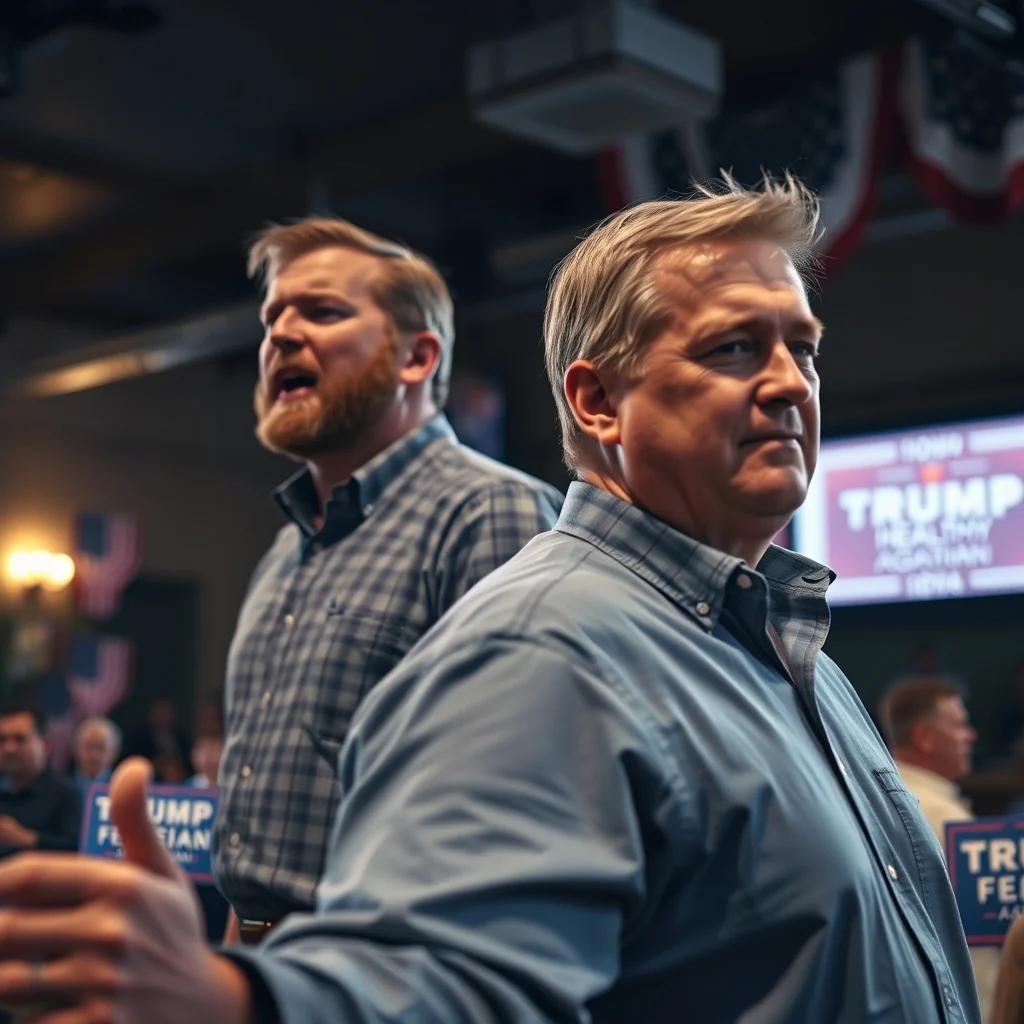
In a significant upset Tuesday, Iowa farmer and businessman Zach Lahn defeated three-term Congressman Randy Feenstra in the state’s Republican gubernatorial primary, despite Feenstra receiving a last-minute endorsement from former President Donald Trump. Lahn, running on a populist platform mirroring Trump’s rhetoric, secured the nomination for the November contest, signaling a potential shift in the political landscape of the Hawkeye State.
Context: A Shifting Political Landscape
The race was closely watched as a test of Trump’s influence in Republican primaries. While Trump’s endorsements had recently appeared to be a golden ticket to victory, securing wins for challengers against incumbents like Congressman Thomas Massie and Senator Bill Cassidy, and propelling Ken Paxton to a Senate nomination in Texas, the Iowa outcome suggests a more nuanced reality.
Feenstra, a staunch supporter of Trump, was considered a frontrunner and had aligned himself with the former president. However, Lahn’s campaign adopted a decidedly ‘Trumpian’ platform, using slogans such as “Make Iowa Healthy Again” and “Iowa first.” His policy proposals focused on restricting foreign and out-of-state land ownership and criticizing “global elites,” resonating with a segment of the conservative base.
Main Body: The ‘Trumpian’ Appeal and Establishment Doubts
Lahn’s victory was bolstered by endorsements from conservative groups like Turning Point USA and grassroots activists who perceived Feenstra as too closely tied to the Washington establishment. This sentiment highlights a persistent tension within the Republican party between traditional figures and those embracing a more insurgent, populist approach.
The economic climate in Iowa may have also played a role. Trump’s trade policies, particularly tariffs on China, have had a notable impact on Iowa’s agricultural sector. This, combined with rising fuel and fertilizer costs attributed to global conflicts, has created economic headwinds for many Iowans.
Recent polling data indicates a dip in Trump’s approval ratings within the state. A YouGov/Economist poll reported a net approval rating of -20% for Trump in Iowa. This suggests that while the state has voted Republican in recent presidential elections, voter sentiment may be cooling towards figures closely associated with the former president.
Expert Perspectives and Data Points
The outcome in Iowa challenges the notion that a Trump endorsement is an automatic win. Political analysts point to Lahn’s success as evidence that a candidate’s alignment with specific policy issues and grassroots sentiment can sometimes outweigh a presidential endorsement, especially when the endorsed candidate is perceived as part of the establishment.
“Voters are increasingly discerning,” noted Dr. Sarah Jenkins, a political science professor at Drake University. “While Trump’s base remains loyal, they are also looking for candidates who they believe will directly address their local concerns and economic anxieties. Lahn tapped into that effectively.”
The results are being closely analyzed by both parties. Democrats see an opportunity in Iowa’s shifting political dynamics. Lahn will now face Democratic State Auditor Rob Sand in the gubernatorial race, a contest that election analysis groups are labeling as a toss-up or leaning Republican.
Furthermore, the Senate seat vacated by Republican Joni Ernst is also drawing attention. Paralympian Josh Turek, a centrist candidate backed by national Democrats, won his party’s primary and will challenge Republican Ashley Hinson. This race has also been moved to a toss-up or leans Republican category by analysts.
Implications: A Glimpse into November’s Elections
The Iowa primary results suggest that the November midterms could be more competitive than initially anticipated, particularly in traditionally Republican-leaning states. The success of Lahn’s ‘Iowa first’ and anti-establishment message, even against a Trump-backed opponent, indicates that economic concerns and populist appeals remain potent forces in American politics.
For Democrats, the Iowa outcome offers a glimmer of hope. The potential to flip the governorship and a Senate seat in a state that has trended red in recent years underscores the importance of grassroots organizing and tailoring campaign messages to local economic conditions.
The upcoming gubernatorial and Senate races in Iowa will be critical bellwethers for the broader political climate. The ability of candidates to navigate the complex interplay of national political figures, economic anxieties, and local concerns will likely determine the outcomes in November, not just in Iowa but across the country.










Leave a Reply