
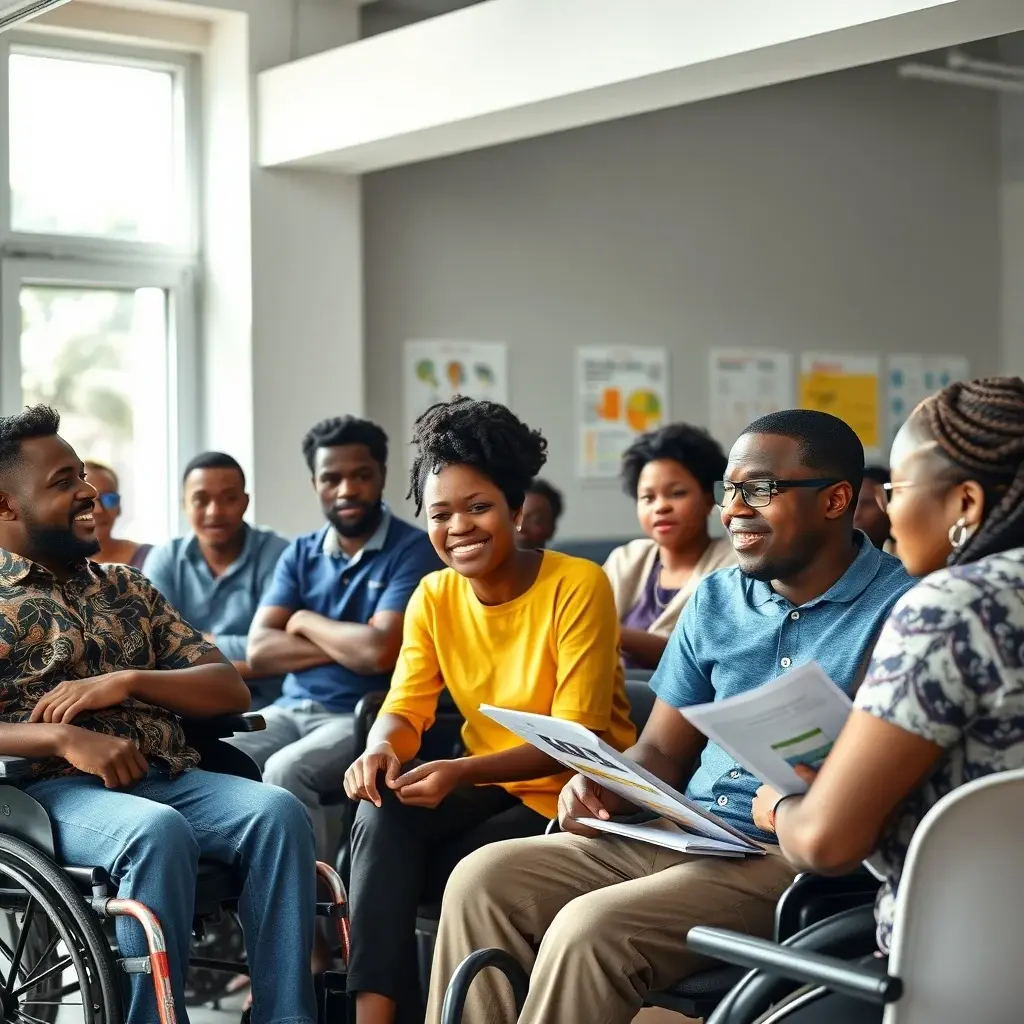
The first cohort of the We Can Work Academy has commenced life skills training in Ghana’s Ashanti and Bono Regions, beginning Monday, June 1, 2026. This initiative aims to equip young men and women with disabilities with essential confidence, communication, and personal development skills, fostering their readiness for dignified employment and entrepreneurship.
Context and Program Overview
The We Can Work Academy is a crucial component of the broader We Can Work initiative, a regional program designed to enhance access to meaningful work for young persons with disabilities across Africa. It employs both skills development and systems change strategies to achieve its goals.
In Ghana, the program is a collaborative effort involving the Ghana Federation of Disability Organisations, Light for the World, the African Disability Forum, and the Mastercard Foundation. The academy’s curriculum focuses on providing practical life, leadership, and vocational skills, thereby supporting participants’ integration into the workforce, fostering entrepreneurship, and encouraging their active participation in national development.
Training Commencement and Methodology
The inaugural training sessions are being held simultaneously across three locations: the University of Energy and Natural Resources (UENR) in Sunyani, Women’s Haven in Asokwa (Kumasi), and HapaSpace in Danyame (Kumasi). Over a six-week period, participants will engage in structured training sessions.
The initial phase centers on ‘Personal Understanding,’ a core module designed to build self-awareness, resilience, and confidence, particularly in embracing their disabilities. This module encourages participants to reflect on their personal journeys and experiences.
A key methodology being employed is the ‘Tree of Life.’ This approach guides participants in identifying their inherent strengths, reflecting on their life experiences, and cultivating resilience as they prepare for future work and enterprise opportunities. Facilitators emphasize that this method supports young persons with disabilities in building fulfilling lives and making positive societal contributions.
Data and Expert Perspectives
Organizers highlight that the commencement of this first cohort represents a significant stride in broadening inclusive skills development opportunities for persons with disabilities throughout Ghana. While specific data on employment outcomes for previous cohorts are not yet available, the program’s design, informed by best practices in disability inclusion and skills training, suggests a strong potential for positive impact.
The We Can Work Academy’s curriculum is developed in partnership with the We Can Work Academy curriculum, indicating a commitment to evidence-based and effective training strategies. The emphasis on both life skills and vocational pathways is a recognized best practice in empowering individuals with disabilities for sustainable livelihoods.
Implications for Participants and the Industry
For the young men and women participating, this training offers a vital pathway to economic independence and social inclusion. By building confidence and essential workplace skills, they are better positioned to overcome barriers often faced by persons with disabilities in the job market.
The program’s success could serve as a model for other regions and organizations seeking to implement inclusive employment initiatives. It underscores the importance of tailored skills development programs that address the unique needs and potential of individuals with disabilities.
Looking ahead, the focus will be on the progression of these participants into their chosen specialized pathways—employability, entrepreneurship, or technical skills. The long-term impact will be measured by their successful transition into meaningful employment or the establishment of sustainable businesses, contributing to a more inclusive Ghanaian economy.










Leave a Reply