
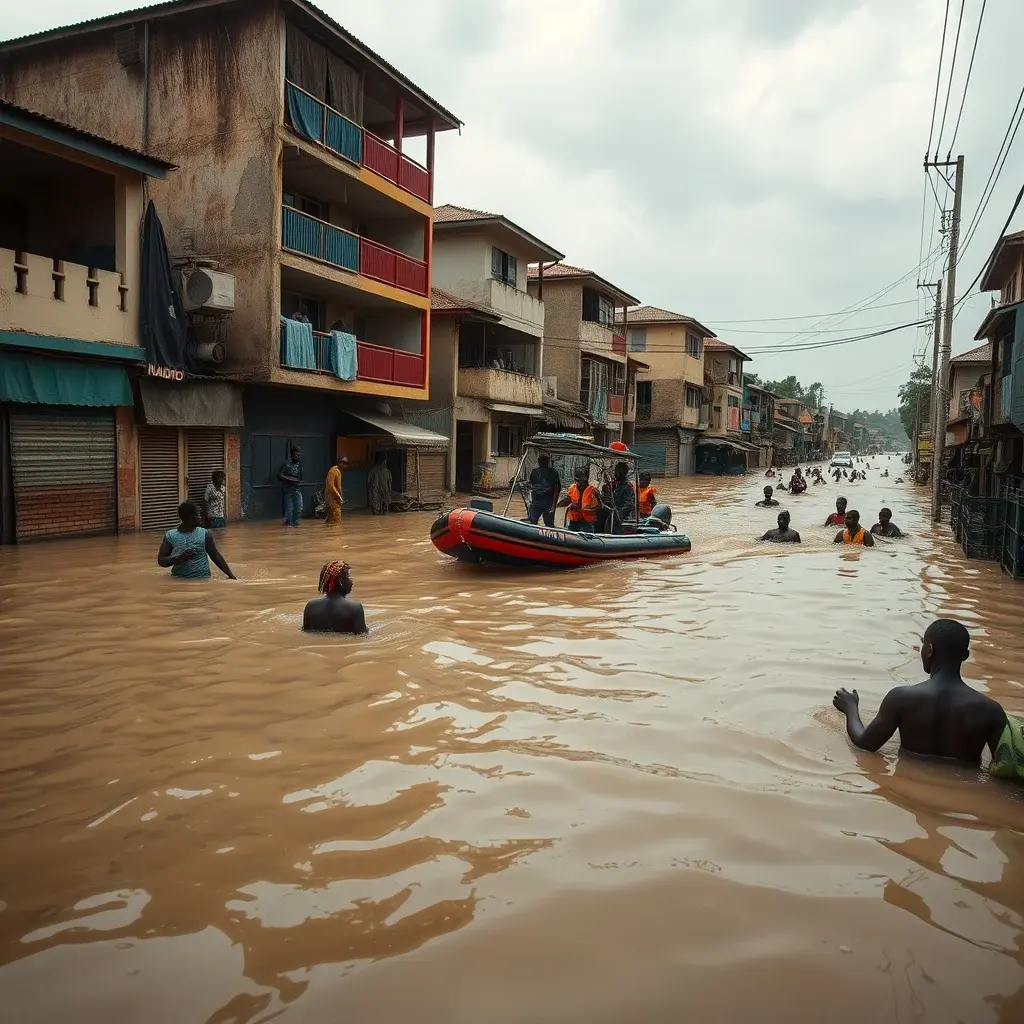
Accra, Ghana – May 28, 2026 – The Member of Parliament for Weija-Gbawe, Jerry Ahmed Shaib, issued an urgent appeal in Parliament today for immediate government assistance as his constituency grapples with severe flooding. The crisis stems from a controlled spillage of the Weija Dam, which has submerged homes and businesses, displacing an untold number of residents over the past three days.
Dam Spillage Triggers Crisis
The Weija Dam, a critical infrastructure for water management in the Greater Accra Region, initiated a controlled spillage operation on or around May 25, 2026. This routine measure, designed to maintain the dam’s structural integrity by releasing excess water from rising inflows, had an immediate and devastating impact on downstream communities. All five of the dam’s spill gates were opened, leading to a rapid surge in water levels that breached riverbanks and inundated surrounding areas.
MP Describes Dire Situation
MP Jerry Ahmed Shaib painted a grim picture of the unfolding disaster in Parliament. He described personally wading through floodwaters for three consecutive days, engaging in rescue operations to help constituents evacuate their homes. “Mr Speaker, it hasn’t been easy at all. I have been swimming for the past three days, helping people to evacuate. My people are suffering. Weija Gbawe is under siege,” Shaib stated, highlighting the immense human toll of the flooding.
Displacement and Relief Efforts
The immediate consequence of the dam spillage has been widespread displacement. Residents have been forced to abandon their submerged properties, seeking refuge wherever possible. The National Disaster Management Organisation (NADMO) has been on the ground, coordinating relief efforts. As of Thursday, May 28, 2026, NADMO reported that at least 85 affected individuals have been successfully relocated to designated safe shelters. These shelters are intended to provide temporary accommodation, food, and basic necessities to those who have lost their homes and belongings.
Broader Context of Flood Vulnerability
The flooding in Weija-Gbawe is not an isolated incident but highlights the recurring vulnerability of communities situated near the Weija Dam. Urban development, coupled with the dam’s operational requirements, has historically placed these areas at high risk during periods of heavy rainfall or increased water inflows. Past spillage events have also resulted in significant property damage and displacement, underscoring a persistent challenge in disaster preparedness and urban planning in the region.
Expert Perspectives and Data
Hydrologists and urban planners have long warned about the risks associated with rapid development in flood-prone areas. Dr. Kwesi Agyemang, a water resource management expert at the University of Ghana, noted in a previous interview, “The controlled spillage of dams like Weija is a necessary engineering practice, but its impact is amplified when downstream communities are built too close to river channels or floodplains without adequate mitigation measures.” Data from NADMO often indicates a correlation between dam spillage events and spikes in reported flood-related emergencies in the affected constituencies.
Implications for Residents and Infrastructure
The current flooding poses immediate threats to the safety and well-being of thousands of residents. Beyond the immediate danger, the economic impact is substantial, with submerged homes and businesses representing significant financial losses. Access to essential services like healthcare and education is also disrupted. The long-term implications include the potential for disease outbreaks due to stagnant water and the immense cost of rebuilding and recovery efforts for both individuals and the local government. The situation also raises questions about the adequacy of early warning systems and the effectiveness of current land-use planning regulations in preventing such widespread devastation.
Looking Ahead
As the floodwaters recede, the focus will shift to the recovery process and the long-term strategies needed to prevent future catastrophes. Attention will be on the government’s response to the MP’s appeal, the adequacy of relief provided, and any plans for infrastructure improvements or policy changes to enhance flood resilience in the Weija-Gbawe constituency and similar vulnerable areas. The effectiveness of disaster preparedness measures and urban planning will be crucial indicators to watch in the coming months.










Leave a Reply