
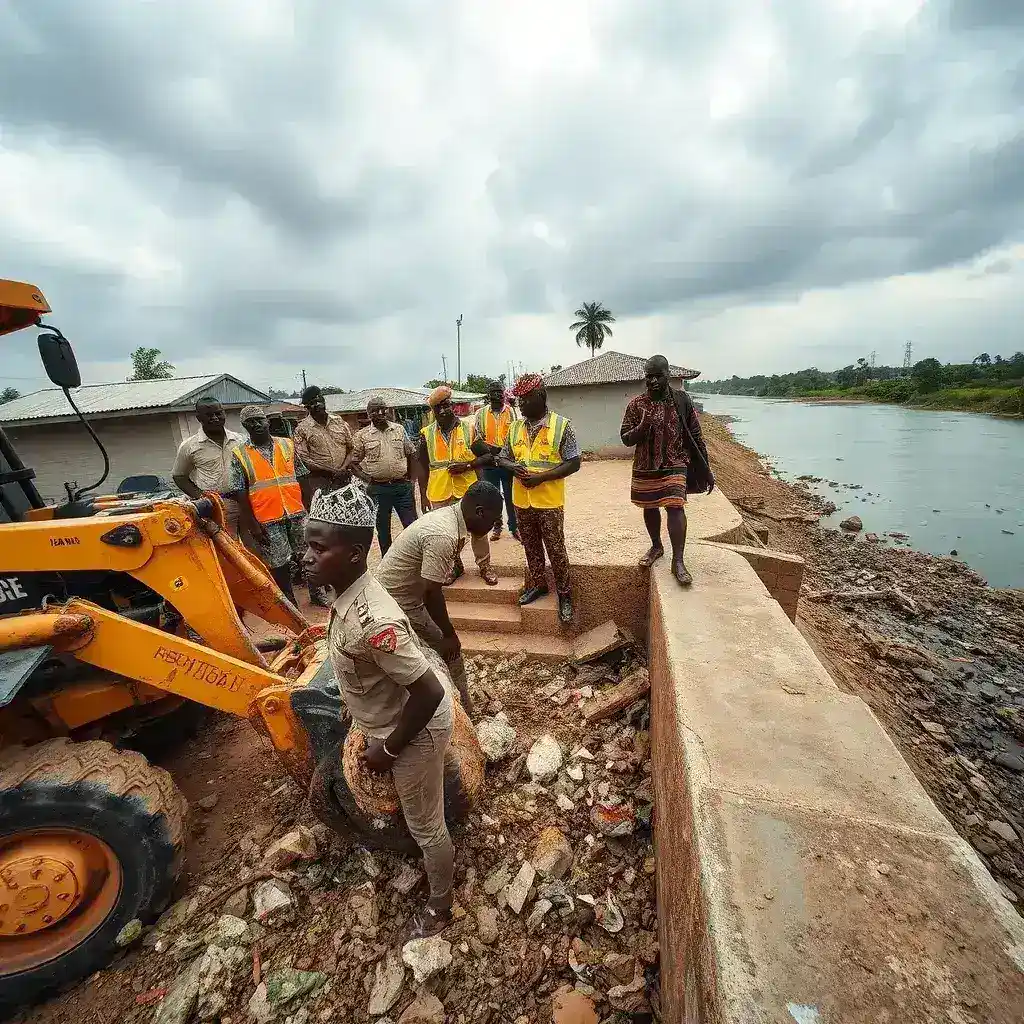
Traditional authorities in Weija, led by the Chief of Lafa Barimba, Nii Ayi Okoforobour, have publicly endorsed the government’s ongoing demolition of structures situated on waterways. This decisive action aims to mitigate the persistent flooding that plagues Weija and its surrounding communities in the Greater Accra Region.
Context of Persistent Flooding
The Greater Accra Region has long grappled with severe flooding, particularly during the rainy seasons. This recurrent problem has been exacerbated by rapid urbanization and, critically, the encroachment on natural drainage systems. Structures built on waterways and wetlands obstruct natural water flow, turning heavy rainfall into widespread inundation that damages property and displaces residents.
Traditional Authority’s Stance and Actions
Nii Ayi Okoforobour unequivocally condemned the construction of buildings on waterways. He stressed the urgent need for strict enforcement against individuals and developers who illegally reclaim wetlands and drainage channels. He asserted that the Weija Ramsar Site, a protected wetland area, is not the cause of flooding. Instead, the problem originates from human activities that block natural drainage paths.
In addition to supporting the government’s demolition drive, local traditional authorities have initiated their own interventions. Dredging works have commenced on the Lafa River, which flows through the Weija Ramsar Site. These efforts are designed to improve water flow and significantly reduce flood risks in the affected areas.
Government’s Demolition Plans
The National Disaster Management Organisation (NADMO) has outlined its strategy for the demolition exercise. Nana Adubea, the Deputy Greater Accra Regional NADMO Director, assured the public that the process will be conducted in a structured and coordinated manner. The organization aims to minimize risks to both lives and property during the operation.
Expert Perspectives and Data
Environmental experts have consistently warned about the dangers of building on floodplains and wetlands. These areas are vital natural sponges that absorb excess rainwater. When they are paved over or built upon, the water has nowhere to go, leading to increased flood levels downstream. Studies by urban planning bodies in Ghana highlight that illegal construction contributes significantly to the drainage challenges faced by coastal cities like Accra.
Implications for Residents and Developers
The support from traditional leaders lends significant weight to the government’s efforts. It signals a unified front against activities that jeopardize public safety and environmental integrity. Residents living in flood-prone areas may see a reduction in the frequency and severity of flooding. However, those whose properties are affected by the demolitions face the immediate challenge of relocation and loss.
Developers who have engaged in illegal construction practices face legal repercussions and financial losses. The intensified enforcement signals a shift towards greater accountability in urban development. This move underscores the importance of adhering to building codes and respecting environmental protection laws.
Looking Ahead
The success of these demolitions will hinge on sustained enforcement and comprehensive urban planning. Future development must prioritize the preservation of natural drainage systems and wetlands. Monitoring the effectiveness of the dredging and the long-term impact on flood levels will be crucial. Residents and stakeholders will be watching closely to see if these measures provide lasting relief from the perennial flooding crisis in the Greater Accra Region, and if the Ramsar site’s ecological integrity is truly being safeguarded.










Leave a Reply