
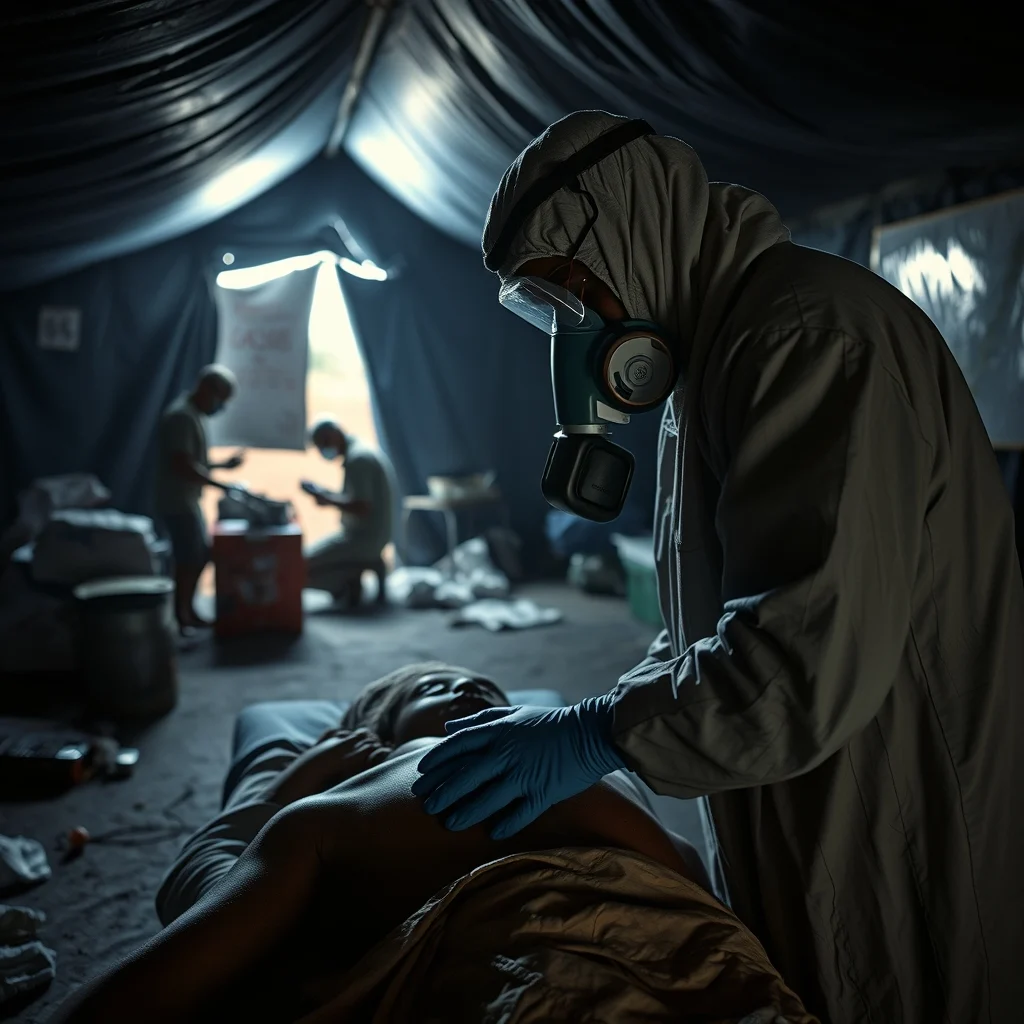
The World Health Organization (WHO) announced Wednesday that the global response to the Ebola outbreak in the Democratic Republic of Congo (DRC) is making headway, with 344 confirmed cases and 60 confirmed deaths reported. Despite significant progress, the organization acknowledges that challenges persist in containing the spread of the virus, which has also reached neighboring Uganda.
Outbreak Context and Spread
The current outbreak is attributed to the Bundibugyo strain of the Ebola virus. This specific strain presented diagnostic difficulties, as many standard Ebola tests were not equipped to detect it, leading to initial delays and a backlog in testing. The outbreak has not been confined to the DRC, with 15 confirmed cases, including one fatality, reported in Uganda, highlighting the transboundary nature of the threat.
WHO Director-General Tedros Adhanom Ghebreyesus stated during a press briefing that the outbreak had a significant head start. “We’re still behind, but under the leadership of the government of DRC, we’re catching up,” he commented, indicating a shift towards better control measures.
Improved Testing and Surveillance
A key factor in the improved response has been the enhancement of access to testing facilities. This has allowed for the processing of a large backlog of suspected cases. Abdirahman Mahamud, WHO director of health emergency alert and response operations, explained that the lab has processed 1,445 tests, clearing almost all the backlog. Improved surveillance daily identifies new suspect cases.
Currently, 116 suspected cases are awaiting testing. Furthermore, a dedicated team is investigating 220 suspected deaths to determine the likelihood of them being Ebola-related. This systematic approach aims to provide a clearer picture of the outbreak’s true scale and impact.
Signs of Hope and Recovery
Amidst the concerning case numbers, there are positive indicators of recovery. Six individuals in the DRC and two in Uganda have successfully recovered from the virus. The WHO emphasized that these recoveries demonstrate the potential for survival if Ebola patients receive timely access to care and seek treatment promptly upon symptom onset.
Persistent Challenges in Response
Despite the progress, the response efforts continue to grapple with significant hurdles. Scaling up testing capacity remains a critical challenge, as does the meticulous tracing of contacts. Additionally, blanket travel restrictions imposed by some countries are inadvertently disrupting supply chains and hindering the delivery of essential resources and personnel, thereby impeding the overall response.
Tedros highlighted that only about 45% of identified contacts are currently being followed up. To effectively stay ahead of the outbreak, this figure needs to exceed 90%, underscoring the urgency for intensified contact tracing efforts.
Funding and Future Strategy
The WHO estimates that the response will require at least $115 million over the next three months. To date, approximately 35% of this amount has been secured, with emergencies head Chikwe Ihekweazu noting that considerably more funding will be necessary for the full duration of the response. A broader plan, including a comprehensive fundraising strategy, will be launched in collaboration with partners such as the Africa Centres for Disease Control and Prevention and the governments of Congo and Uganda.
The outbreak may have originated as early as January, though teams are still investigating its precise start. The immediate focus, however, remains firmly on containment and mitigating further spread.
Looking Ahead
The coming weeks will be crucial in assessing whether the enhanced surveillance and testing capabilities can keep pace with new case detection. The success of contact tracing efforts, particularly in reaching the critical 90% threshold, will be a key indicator of progress. Continued international cooperation and sustained funding will be vital in overcoming the remaining obstacles and bringing this outbreak to an end, preventing further regional spread and protecting public health.










Leave a Reply