
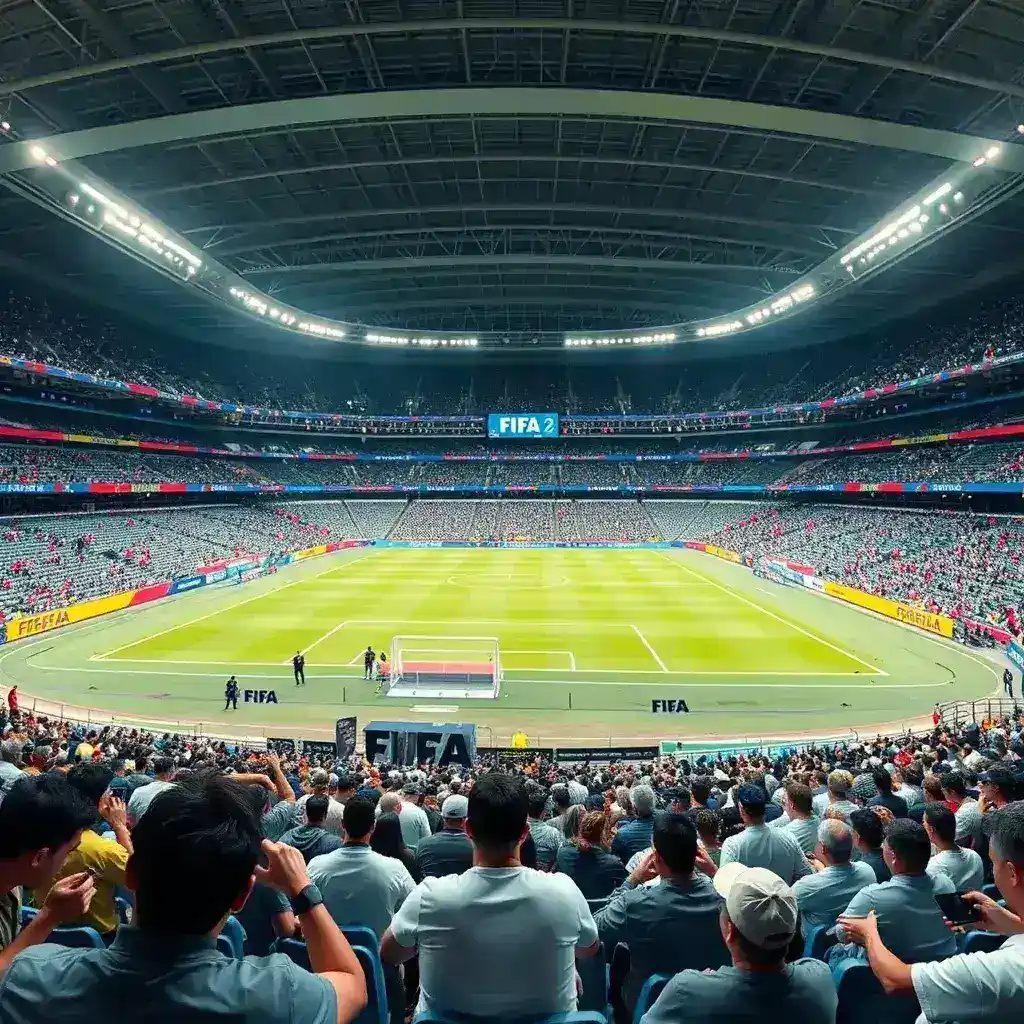
With the 2026 World Cup just a week away, thousands of tickets remain available across multiple platforms, many selling below face value, sparking an investigation into FIFA’s ticketing practices for alleged price inflation and fan misdirection.
Despite FIFA President Gianni Infantino’s February declaration that “every match is already sold out,” a closer examination reveals a fluctuating market with significant inventory still accessible. BBC Sport has observed tickets for matches involving less prominent nations being offered at substantial discounts on FIFA’s official resale site and secondary marketplaces like SeatGeek, StubHub, and VividSeats.
Investigation into FIFA’s Ticketing Practices
The lack of transparency surrounding World Cup ticket sales has prompted official action. Attorneys general from New York and New Jersey have launched an investigation into FIFA’s ticketing operations, citing allegations of “artificially inflating prices” and “misleading fans.” A subpoena was issued to football’s governing body to address these concerns.
Reports suggest that some fans who secured tickets through the ballot process were ultimately issued seats of lower value or further from the pitch than initially indicated. The pricing structure was not made public until fans were required to make payments, leading to confusion and allegations of fans purchasing tickets blind.
FIFA employed variable pricing, which adjusts prices based on demand at different sales points, rather than dynamic pricing. The final open sales window, which began in April, saw FIFA state that more tickets could be released up until kickoff, but details on which matches, when, and at what prices remained unclear.
Furthermore, stadium maps were reportedly altered, and more expensive ticket categories, typically in the front rows and priced approximately 50% higher than seats directly behind them, were added without prior fan notification. These premium seats were not available during the initial ballot period.
Assessing World Cup ‘Sold Out’ Status
While marquee matches featuring teams like Argentina, Brazil, England, Germany, and Spain are expected to draw strong demand, tickets for host nations Canada, Mexico, and the United States have seen surprisingly low official sales. Only two out of nine matches involving these countries are officially sold out.
Even the opening match between Mexico and South Africa still had over 500 seats available on FIFA’s face-value site, priced at $2,273 (£1,725) each. The primary challenge for FIFA appears to be selling tickets for matches between nations with less global appeal, such as Bosnia-Herzegovina v Qatar or Cape Verde v Saudi Arabia.
Independent ticket tracking site TicketData reported nearly 74,000 tickets available across 86 of the 104 matches on a recent Saturday. This figure does not include the numerous tickets listed on FIFA’s own resale site, often at inflated prices, suggesting a secondary market driven by profit motives rather than fan attendance.
Secondary Market Dynamics and FIFA’s Role
FIFA actively encourages fans to use its official resale platform, from which it earns a 15% commission from both buyer and seller. The organization also warns that tickets purchased through unofficial channels may be invalid and subject to cancellation.
However, a curious trend emerged where inventory on FIFA’s site decreased significantly, only for availability to increase on secondary marketplaces like SeatGeek. These listings often appeared in bulk, in specific blocks and rows, raising questions about their origin. While SeatGeek denies a direct partnership with FIFA, the structured pricing and batch availability suggest a coordinated effort to offload tickets.
The pricing on secondary markets for less popular games often shows incremental increases row by row, mirroring FIFA’s own pricing strategy for premium seats. This pattern, with prices well below the original face value, suggests either significant financial losses for ticket holders or a deliberate strategy to move inventory.
For example, tickets for Jordan v Algeria, with a face value of $620 (£471), were found on FIFA’s resale site for £171, a 64% discount. Similar price drops were observed for other matches on SeatGeek and StubHub. This indicates FIFA may be struggling to achieve its desired face value on its own platform, leading to speculation about offloading inventory elsewhere.
The precedent set by the Club World Cup, where tickets were sold for as low as £8.17 ($11.15), suggests that World Cup ticket prices may still have further to fall.
Implications for Fans and the Industry
The current situation raises concerns about fair pricing, transparency, and the overall fan experience for the 2026 World Cup. Fans may find opportunities to purchase tickets at a discount, particularly for less high-profile matches, but the uncertainty surrounding official sales channels and potential ticket invalidation creates a risky environment.
For FIFA, the challenge lies in managing public perception and ensuring stadium attendance, especially given the logistical scale of the largest World Cup ever. The scrutiny from state attorneys general highlights the growing pressure on governing bodies to adopt more transparent and fan-friendly ticketing practices.
The industry will be watching to see how FIFA addresses these issues, whether it adjusts its pricing strategies, and how the secondary market continues to evolve. The potential for significant price drops and the ongoing investigation could set new precedents for major sporting event ticketing in the future.










Leave a Reply