
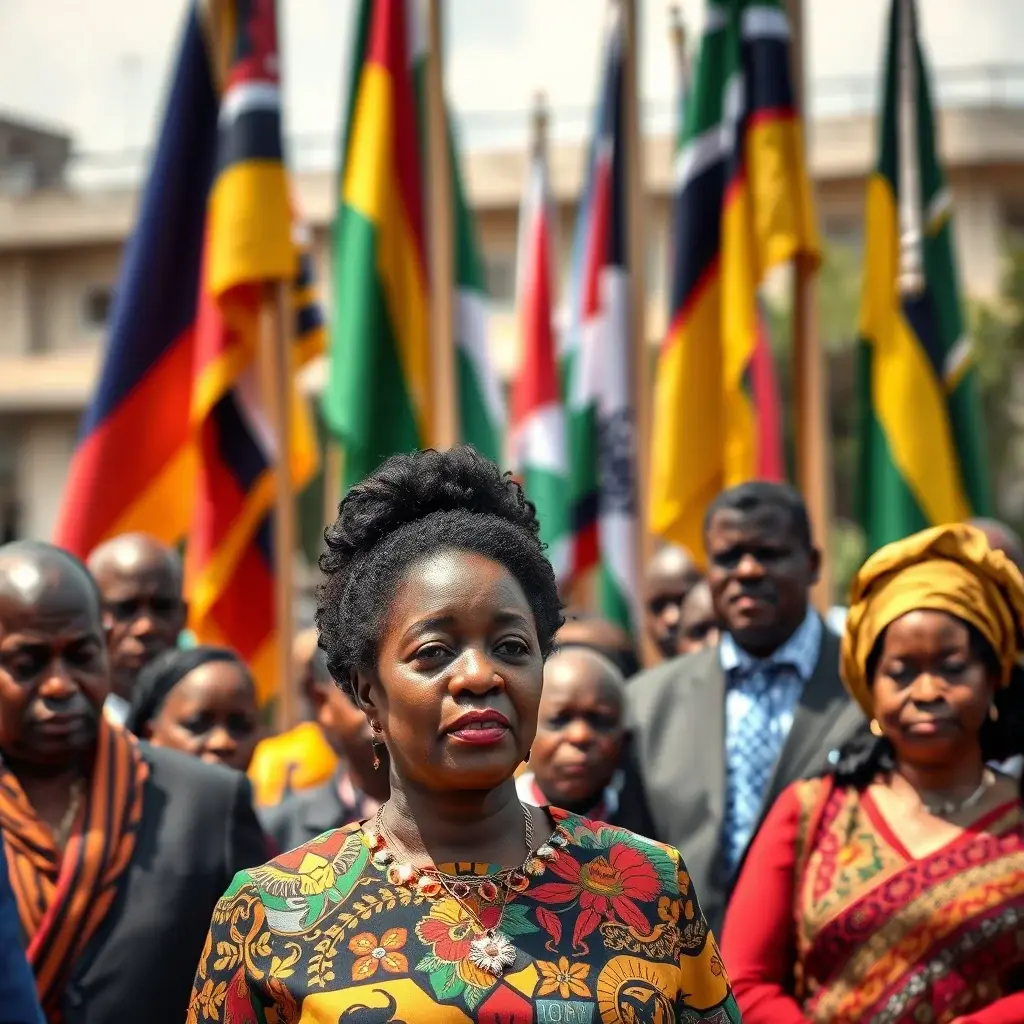
Accra, Ghana – May 25, 2026 – Dr Zanetor Agyeman-Rawlings, Second Deputy President of the Pan-African Parliament (PAP) and Member of Parliament for the Korle Klottey constituency, has strongly condemned the ongoing xenophobic violence in South Africa, calling it a “shameful dent” on the continent’s collective conscience. Speaking at the 63rd African Union (AU) Day flag-raising ceremony in Accra on Monday, she warned that such systematic targeting of Africans severely undermines the continent’s global credibility and leadership.
The distressing images of violence originating from South Africa have significantly tarnished the continent’s image. This represents a tragic setback, particularly at a time when Africa should be strengthening its geopolitical standing on the global stage.
Betraying the Ancestral Vision
May 25th marks African Union Day, commemorating the founding of the Organisation of African Unity (OAU) in 1963, which evolved into the AU in 2002. The union’s core mission is to foster continental unity, economic integration, resilience, and decolonisation.
Dr Agyeman-Rawlings confronted the issue with stark honesty, stating that xenophobic attacks against fellow Africans raise serious questions about the fundamental ideology of African unity. This is the very ideal for which the continent’s ancestors fought and made immense sacrifices.
She argued that the regional bloc cannot legitimately celebrate institutional progress while its citizens are systematically hunted and displaced by other Africans. The PAP Second Deputy President urged continental bodies to move beyond mere diplomatic statements and actively enforce peace and human rights protections across the continent.
Moving Beyond Ideology
Echoing the call for tangible change, Ghana’s Deputy Minister of Foreign Affairs, James Gyakye Quayson, stressed the continued relevance of Pan-Africanism to Africa’s modern journey towards socioeconomic progress and industrial development.
However, the Deputy Minister issued a direct challenge to the AU’s administrative organs. He emphasized that the union must cease being a mere political ideology discussed in boardrooms.
Instead, Mr Gyakye Quayson asserted that the AU must actively promote concrete human dignity, tangible economic development, and unwavering unity across all sub-regions.
The recurring nature of these attacks highlights a critical gap between the ideals of African unity and the lived realities for many on the continent. Experts have long pointed to socioeconomic disparities and historical grievances as contributing factors, yet the persistent violence suggests deeper systemic issues are at play.
Data from various human rights organisations consistently documents incidents of violence, displacement, and discrimination against foreign nationals in South Africa. These reports often detail attacks on businesses, homes, and individuals, leading to loss of life and livelihoods.
The implications of this xenophobia extend beyond the immediate victims. It erodes trust between African nations and communities, hindering efforts towards free movement of people and goods, a cornerstone of the African Continental Free Trade Area (AfCFTA).
For the average African citizen, these events foster fear and division, contradicting the vision of a united and prosperous continent. The international community also observes these developments, impacting perceptions of stability and governance across Africa.
The challenge now lies in translating rhetoric into action. The AU and its member states face the imperative to implement robust mechanisms that not only condemn xenophobia but actively prevent it and protect all African citizens, regardless of their origin.
Moving forward, attention will be on whether the AU can enact and enforce stronger policies to address the root causes of xenophobia and ensure accountability for perpetrators. The success of initiatives like the AfCFTA hinges on creating a safe and welcoming environment for all Africans.










Leave a Reply