
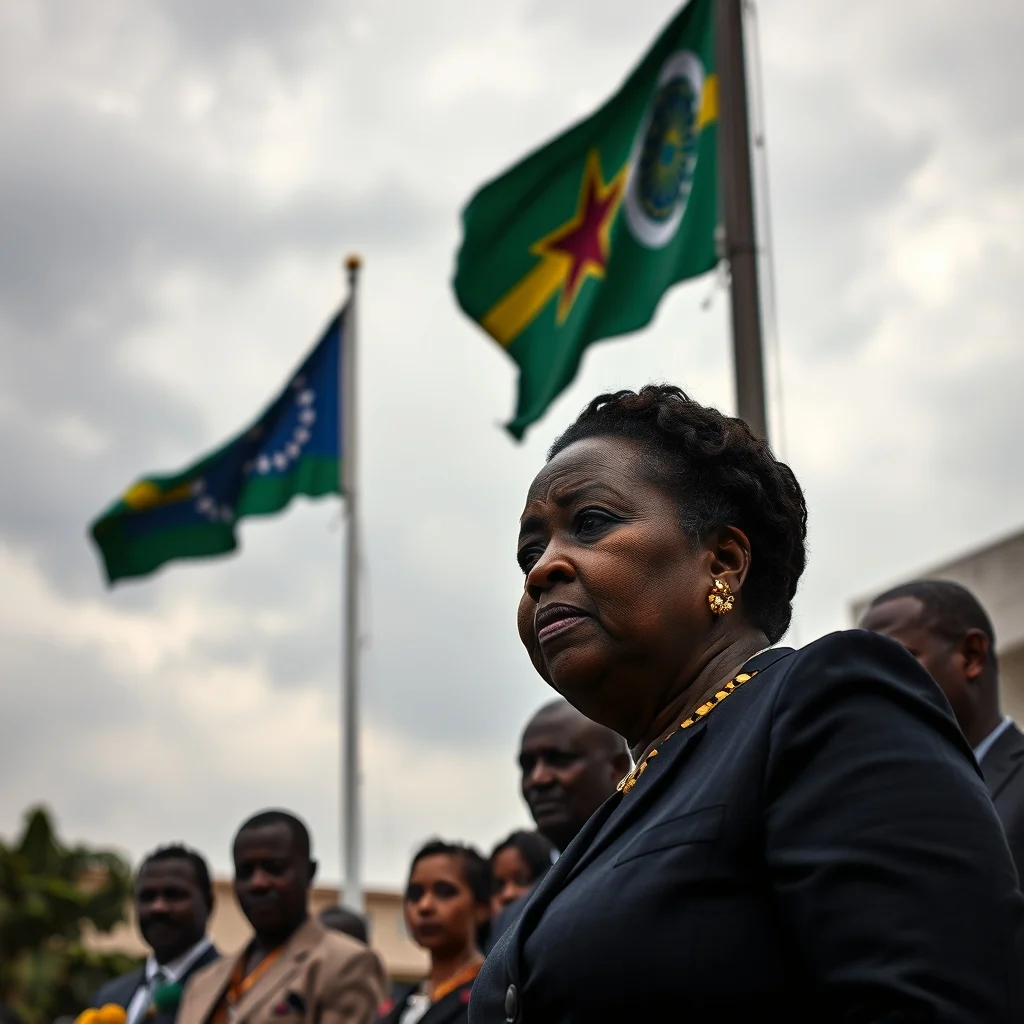
Accra, Ghana – May 25, 2026 – Dr. Zanetor Agyeman-Rawlings, Second Deputy President of the Pan-African Parliament (PAP), publicly condemned the ongoing xenophobic violence in South Africa on Monday, May 25, 2026, during the 63rd African Union (AU) Day flag-raising ceremony in Accra. She described the systematic targeting of Africans by fellow Africans as a “shameful dent” on the continent’s conscience and a significant blow to Africa’s global standing.
Betraying the Ancestral Vision
The AU Day celebration commemorates the founding of the Organisation of African Unity (OAU) in 1963, an organization established to foster continental unity and decolonization. Dr. Agyeman-Rawlings argued that the disturbing images of violence emerging from South Africa directly contradict the core principles of Pan-Africanism that Africa’s leaders have long championed.
“The recurring anti-immigrant violence severely undermines the global credibility of African leadership,” Dr. Agyeman-Rawlings stated in an interview at the State House ceremony. She emphasized that these distressing incidents cast a significant shadow on the continent’s image, representing a tragic step backward on the global stage.
This violence, she warned, questions the very ideology of African unity for which previous generations sacrificed. The PAP Second Deputy President highlighted the paradox of celebrating institutional progress while citizens are being systematically targeted and displaced by their African neighbors.
Moving Beyond Ideology
Dr. Agyeman-Rawlings urged continental bodies to move beyond mere diplomatic statements and actively enforce peace and human rights protections. The sentiment was echoed by James Gyakye Quayson, Ghana’s Deputy Minister of Foreign Affairs, who also spoke at the event.
Mr. Quayson affirmed the continued relevance of Pan-Africanism for Africa’s socioeconomic progress and industrial development. However, he issued a direct challenge to the AU’s administrative bodies.
“The union must completely cease to exist as a mere political ideology discussed in boardroom meetings,” Mr. Quayson asserted. He called for the AU to actively promote concrete human dignity, tangible economic development, and unwavering unity across all sub-regions.
The Deputy Minister stressed that the AU must translate its foundational ideals into practical realities for its citizens. This includes ensuring safety, fostering economic opportunities, and building genuine solidarity among African nations.
Implications for the Continent
The condemnation from prominent officials underscores a growing frustration with the persistent issue of xenophobia within Africa. The attacks in South Africa, which have occurred periodically for years, not only endanger lives and livelihoods but also damage intra-African relations and deter investment.
For the average African citizen, these incidents raise serious questions about freedom of movement and the promise of a united continent. The vision of a prosperous and integrated Africa, a key goal of the AU, is significantly hampered when internal divisions and hostility prevail.
The calls for stronger enforcement mechanisms suggest a potential shift towards more decisive action by the AU. This could involve sanctions or other measures against member states that fail to protect foreign nationals within their borders. The focus is moving from mere political discourse to demanding tangible results in human rights and security.
The international community closely watches how African nations address these internal challenges. The ability of the AU to effectively manage such crises will be crucial in shaping its geopolitical influence and achieving its development agenda in the coming years. Observers will be watching to see if diplomatic rhetoric translates into concrete policy changes and enforcement actions.










Leave a Reply