
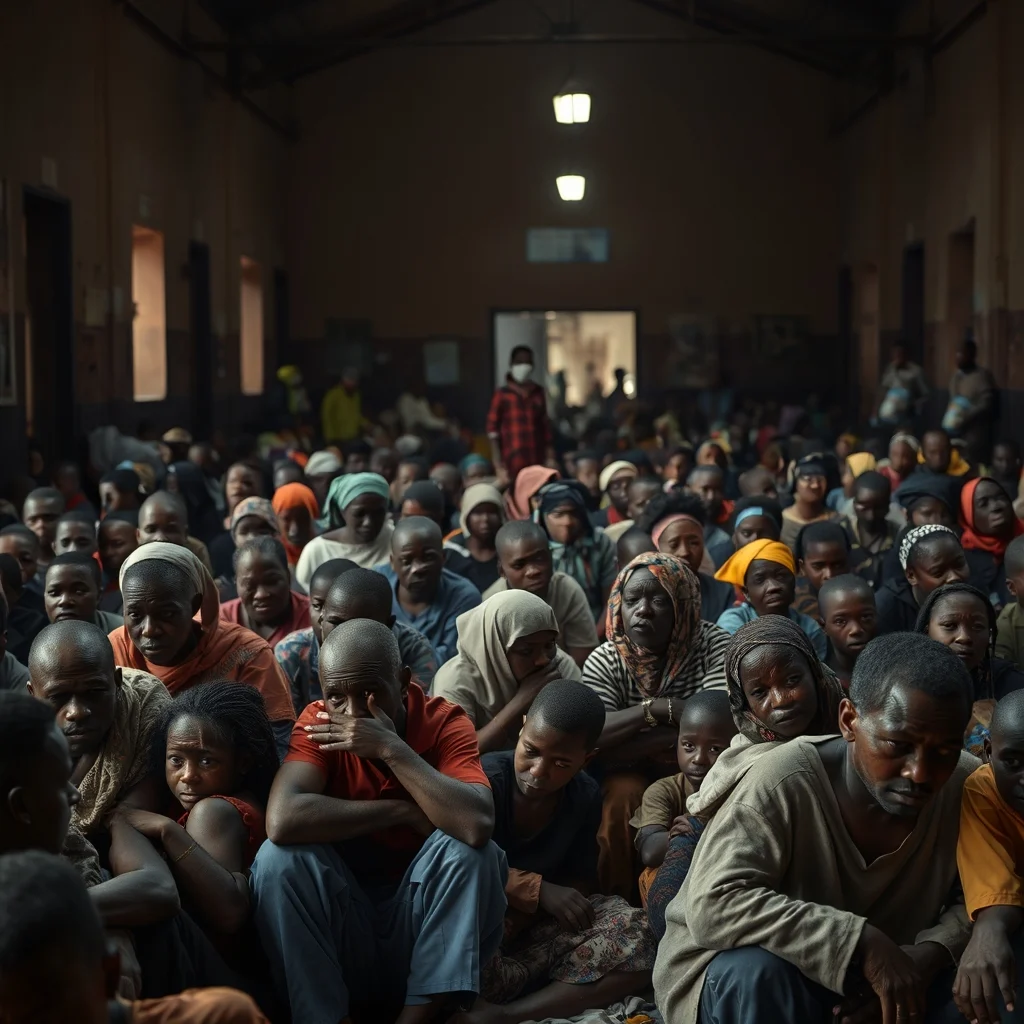
In recent weeks, South Africa has witnessed a disturbing surge in anti-immigrant sentiment, culminating in violent protests that have forced African migrants, including those from Mozambique and Malawi, to flee their homes and seek refuge in the mountains and town halls across the Western Cape province. The violence, which has seen mobs go door-to-door targeting foreigners, has led to displacement and fear, with Mozambican officials reporting five citizens killed in Mossel Bay over a weekend.
The current wave of xenophobic attacks is not an isolated incident in South Africa, a nation with a history of such violence. Migrants are frequently scapegoated for the country’s persistent economic challenges, including high unemployment rates and crime, despite a lack of empirical evidence to support these claims. This narrative often gains traction among politicians seeking to appeal to populist sentiments, particularly in the lead-up to elections, such as the upcoming local polls.
Lado Amido, a 49-year-old Mozambican immigrant who arrived in South Africa seeking work, recounted his harrowing experience in Kleinmond. He stated that on March 31st, an angry crowd approached his home, demanding he leave and subsequently confiscating his belongings. Amido was forced to flee and spent two nights hiding in the mountains before joining approximately 100 other displaced immigrants at the local town hall.
Many of those sheltering in the town hall are legally residing in South Africa and are waiting for assistance from their respective governments for voluntary repatriation. Grant Cohen, a ward councillor for Kleinmond, confirmed the presence of immigrant families and children who have been integrated into the local community and schools, now uprooted by fear. Cohen expressed his disapproval of residents taking matters into their own hands and highlighted that authorities had recently conducted checks on businesses for undocumented workers.
Michael Markson, a 31-year-old Malawian national, shared a similar ordeal. He described being told by his landlord to evacuate his informal settlement residence for fear of being killed by protesters. Markson spent a night hiding in the woods, receiving food from his employer. He reported witnessing a large crowd in town, with some individuals armed with knives and sticks, underscoring the violent nature of the protests.
Markson, like many others, is now seeking assistance to return to Malawi, acknowledging the poor economic conditions in his home country but deeming it a safer alternative to living under constant threat. The situation highlights the vulnerability of migrant populations who often bear the brunt of socio-economic frustrations.
President Cyril Ramaphosa addressed the issue in parliament, condemning the xenophobic violence while also acknowledging the challenge of migration. His statement reflects the complex political landscape where the government must balance condemning violence with addressing public concerns about immigration, often amplified during election cycles.
The recurring nature of xenophobic violence in South Africa raises critical questions about societal integration, economic policy, and political rhetoric. The lack of evidence linking immigrants to the country’s economic woes and crime statistics, yet their persistent scapegoating, points to deeper societal issues and the exploitation of fear for political gain.
As displaced immigrants await assistance and contemplate their futures, the events in Kleinmond and other Western Cape towns serve as a stark reminder of the ongoing challenges South Africa faces in managing migration and fostering social cohesion. The immediate focus remains on ensuring the safety and security of vulnerable communities and addressing the root causes of xenophobia.










Leave a Reply