
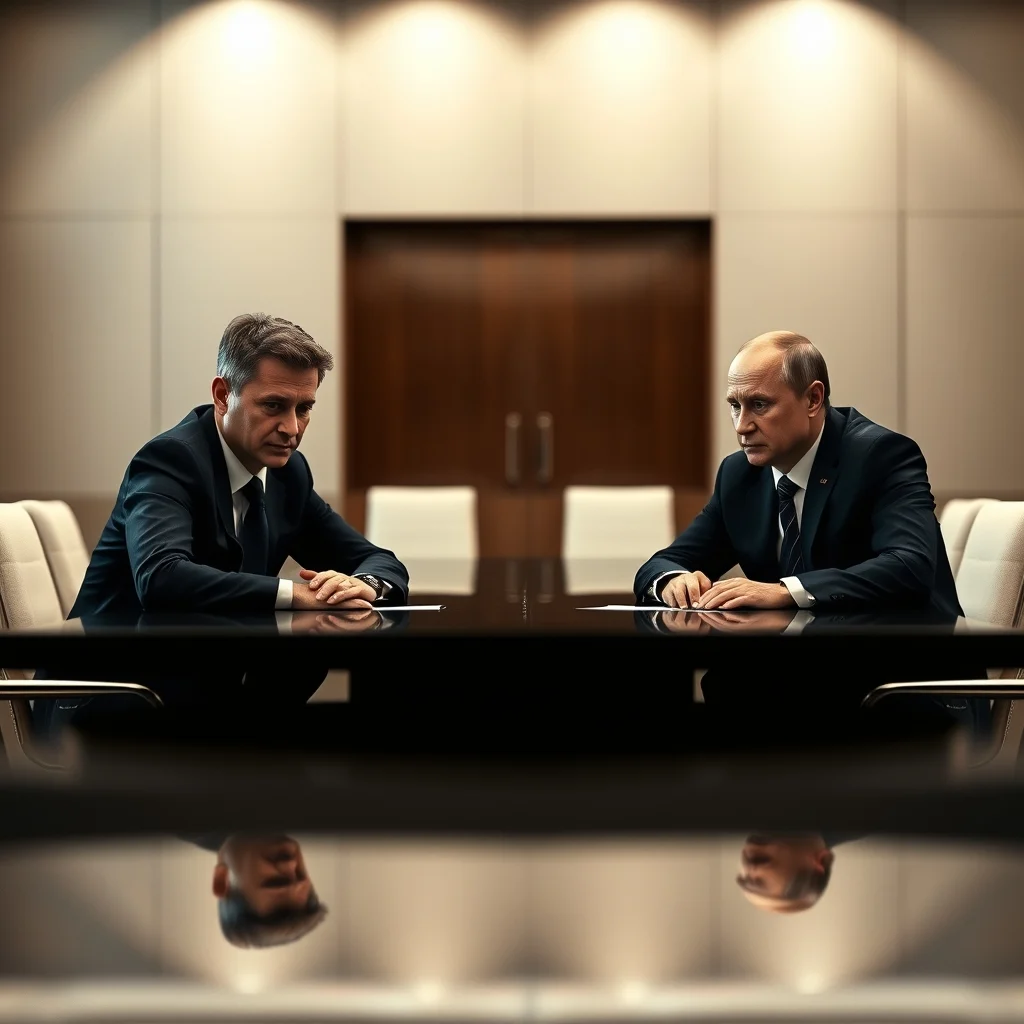
Ukrainian President Volodymyr Zelensky has extended a direct invitation to Russian President Vladimir Putin for a face-to-face meeting in a bid to de-escalate the ongoing conflict. The proposal, delivered via an open letter, emphasizes the urgency of direct engagement, stating it is “wrong to simply wait” for the war in Europe to re-emerge as a primary focus for global attention. Zelensky also called for a comprehensive ceasefire to facilitate these proposed negotiations, a condition that Russian President Putin had previously dismissed.
Context of the Initiative
This latest overture from Kyiv is not the first attempt by President Zelensky to secure a direct dialogue with the Russian leadership. Previous peace talks held in various international locations, including Geneva, Abu Dhabi, and Istanbul, have failed to yield a lasting resolution. The Kremlin has historically maintained a position that any potential meeting should occur in Moscow, and has reiterated this stance following the receipt of Zelensky’s letter.
A notable aspect of Zelensky’s letter is its candid acknowledgement of the current geopolitical landscape, specifically mentioning that the United States is “fully focused on the issue of Iran.” This suggests a strategic concern in Kyiv that Ukraine’s plight might be temporarily overshadowed by other international crises, underscoring the need for proactive diplomatic efforts between the warring nations themselves.
Key Elements of Zelensky’s Proposal
The open letter, reportedly over 1,800 words, adopts a tone described as defiant and even provocative, referencing recent Ukrainian strikes on Russian territory, including a drone attack on St. Petersburg. Zelensky directly addressed Putin, suggesting that “after 26 years in power, age is beginning to take its toll” on the Russian leader. The core of the proposal is a clear invitation: “Ukraine proposes ending this war through direct engagement between us – and you. I am proposing a meeting.”
Zelensky indicated that potential neutral grounds for such high-level discussions could include countries like Switzerland or Turkey. The letter also conveys a sense of urgency regarding the human cost of the war, stating, “We are losing our people, and every loss is painful to us.” He implored Putin to “not be afraid to take the path out of this war.”
Russian Response and Stance
Vladimir Putin, speaking at an economic forum in St. Petersburg, confirmed his willingness to reach an agreement with Ukraine but stressed the necessity of compromises. However, he also cast doubt on Zelensky’s legitimacy as a representative, echoing a long-standing Russian narrative that questions Zelensky’s authority following the expiration of his presidential term amidst martial law, which currently prohibits elections in Ukraine.
Historically, Russia’s demands for a resolution have included Ukraine withdrawing from the occupied regions of Donetsk, Luhansk, Kherson, and Zaporizhzhia, and abandoning its aspirations to join NATO. Ukraine has firmly rejected these terms, viewing any territorial concessions as a precursor to further Russian aggression, citing the 2022 full-scale invasion as evidence.
International Reactions
Former U.S. President Donald Trump commented on the situation, expressing his belief that a meeting between Zelensky and Putin “would be great” and urging them to “Get it done.” Trump indicated a preference for both leaders to make compromises but declined to specify what those compromises should entail.
Recent Developments and Ongoing Conflict
The diplomatic overture occurred amidst continued hostilities. Russian-backed authorities in Crimea accused Ukraine of attacks resulting in casualties, while Ukraine reported that a Russian strike near Kyiv killed at least four people at a food company’s offices. These incidents highlight the volatile security situation on the ground, even as diplomatic channels are being explored.
Implications and Future Outlook
President Zelensky’s public appeal for direct talks signifies a strategic shift, potentially aiming to exert diplomatic pressure and highlight Russia’s stance on negotiation amidst ongoing military actions. The Kremlin’s response, while acknowledging a willingness to talk, reiterates its preconditions and casts doubt on Zelensky’s legitimacy, indicating significant hurdles remain. The international community, particularly the United States, will be watching closely to see if this initiative can break the diplomatic stalemate or if it will become another failed attempt to peace. The coming weeks will reveal whether this open letter can catalyze substantive dialogue or if the conflict will continue to be defined by military engagement and entrenched positions.










Leave a Reply