
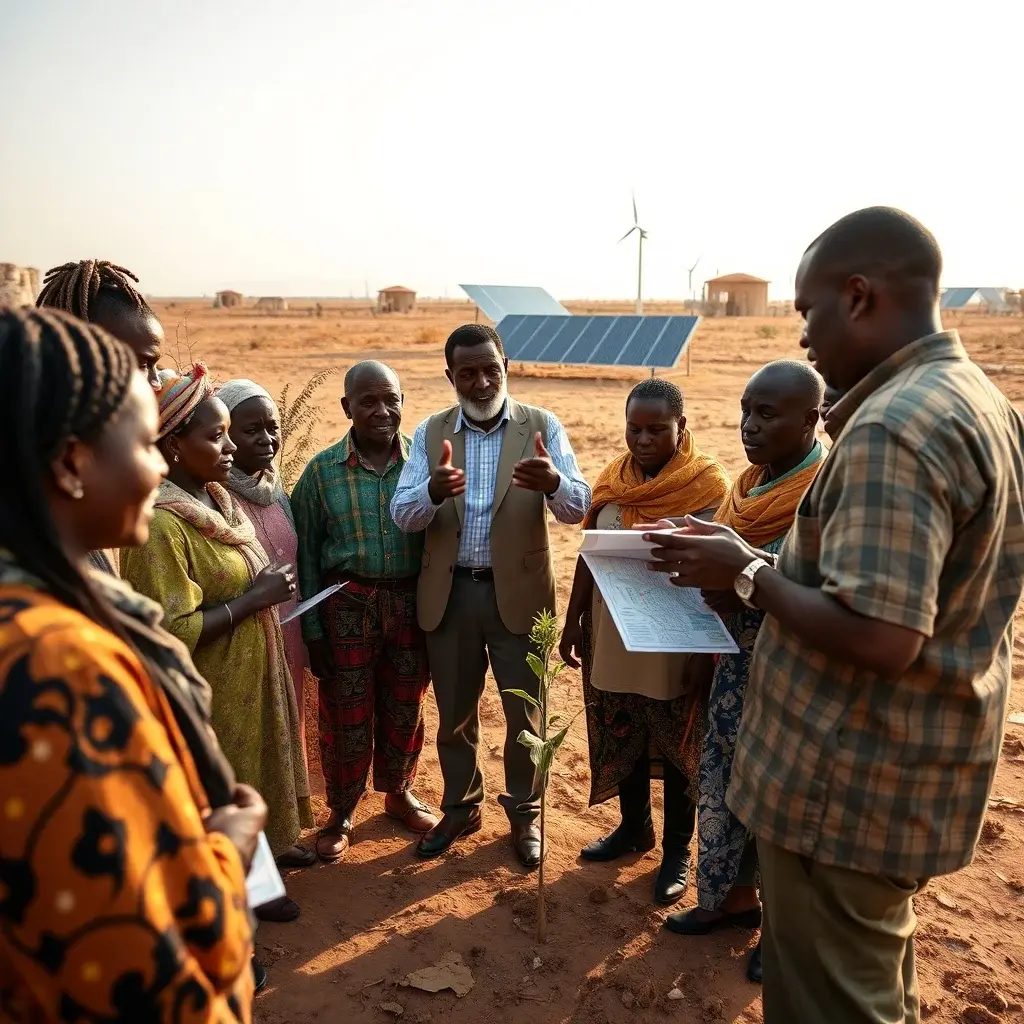
The African Climate Foundation (ACF) is calling on African nations to spearhead their own climate transition, as the continent grapples with increasingly severe droughts, floods, and extreme weather events. This urgent plea comes as the foundation launches its 2026-2030 strategy, coinciding with scientific warnings of a potential “super El Niño” that could devastate Africa with intense droughts, heatwaves, and widespread food shortages.
Continent at a Critical Juncture
Africa stands at a pivotal moment where crucial decisions regarding energy, finance, industrialization, and resilience will irrevocably shape its development trajectory for decades to come. “The decisions being made today around energy, finance, industrialisation, trade and resilience will impact development outcomes for decades,” stated Saliem Fakir, Executive Director and founder of the ACF.
The foundation’s primary mission is to empower those driving this transition within Africa. “Our role is to ensure that those driving this transition from within Africa have the institutions, capabilities and investment platforms they need,” Fakir added.
Disproportionate Impact, Limited Funding
Despite contributing a minimal fraction to global greenhouse gas emissions, Africa bears a disproportionately heavy burden from climate change impacts. Compounding this injustice, the continent receives a mere 3% of global climate finance. This disparity underscores the need for a paradigm shift in how climate action is approached and funded.
For African nations, climate action now extends beyond emission reduction. It critically involves bolstering resilience, safeguarding food and energy security, and enhancing economic competitiveness in the face of growing climate pressures.
From Pledges to Action
While global climate commitments have seen an increase over the years, their translation into tangible action has been notably sluggish. “Commitments have multiplied, but implementation has lagged,” Fakir observed. He stressed the escalating costs associated with delays, noting, “Each year of delay raises the costs, and the consequences of inaction will be borne most heavily by those least responsible for the crisis.”
The core challenge for African countries is no longer solely about securing international pledges. It is about cultivating the robust institutions and strategic partnerships necessary to transform these commitments into meaningful, on-the-ground action.
Shaping Africa’s Climate Narrative
Carlos Lopes, Chairman of the Foundation, highlighted a significant evolution in Africa’s role in global climate discourse. “It’s no longer about importing what others are saying on climate, but how African voices help shape the agenda and define a transition that reflects the continent’s own realities and ambitions,” Lopes explained.
The ACF’s new strategy is designed to address these pressing needs. It will concentrate on country-led climate programs, fostering green industrialization, enhancing adaptation measures, and building institutional capacity. These pillars are crucial for helping African nations navigate the intensifying climate and economic pressures.
Collaboration and Investment
The foundation emphasizes the indispensable need for strengthened collaboration among governments, local communities, civil society organizations, and international development partners. “Our work is focused on strengthening the conditions that make long-term progress possible,” Fakir reiterated.
Established in 2020, the African Climate Foundation positions itself as the inaugural African-led regional foundation operating at the nexus of climate action and sustainable development. To date, the organization has channeled over US$41 million through more than 467 grants and investments across 35 African countries. These investments support vital initiatives in climate resilience, access to clean energy, and sustainable development.
Looking Ahead
The ACF’s strategic focus on country-led initiatives, green industrialization, and capacity building signals a proactive approach to tackling Africa’s climate challenges. As the continent faces the looming threat of severe weather events and inadequate climate finance, the emphasis on self-determination and strengthened local institutions will be paramount. The success of this strategy will be critical in determining Africa’s ability to adapt, thrive, and secure a sustainable future amidst a rapidly changing global climate.






Leave a Reply