
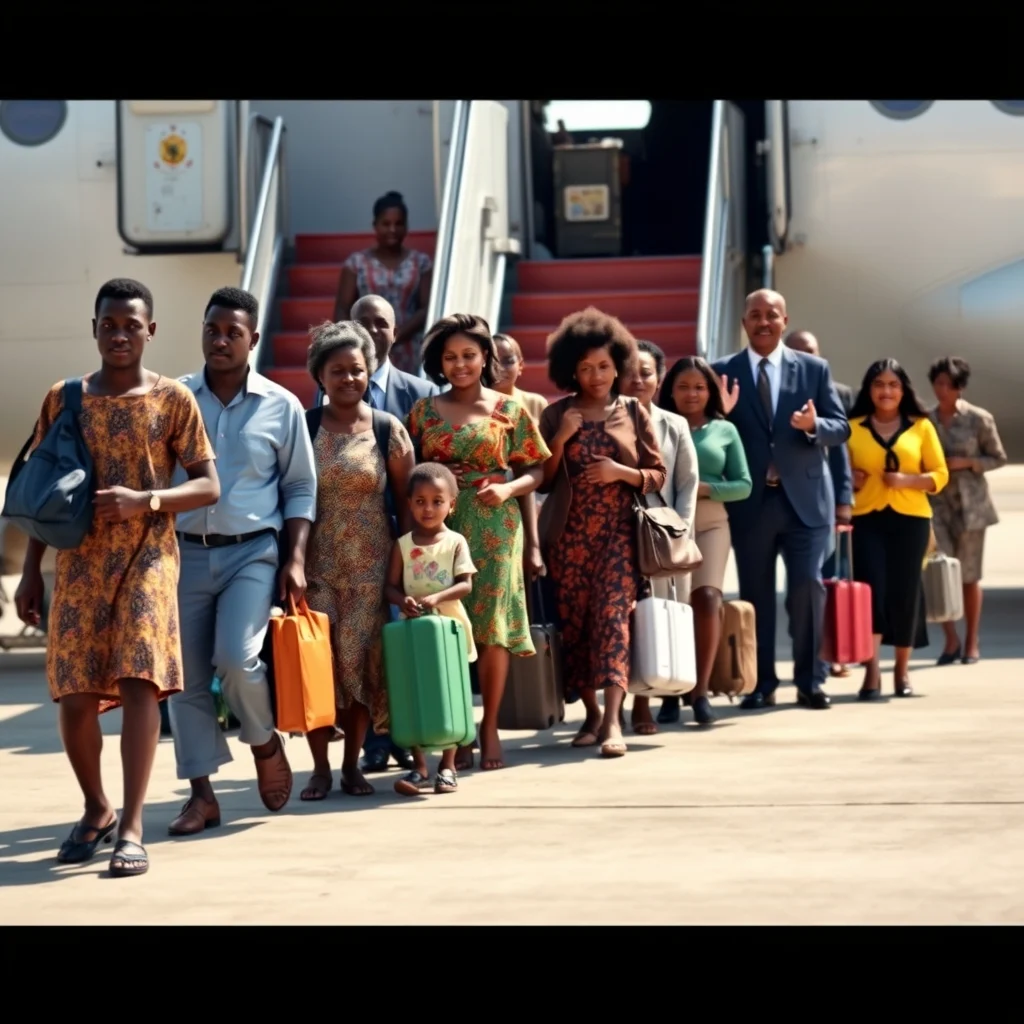
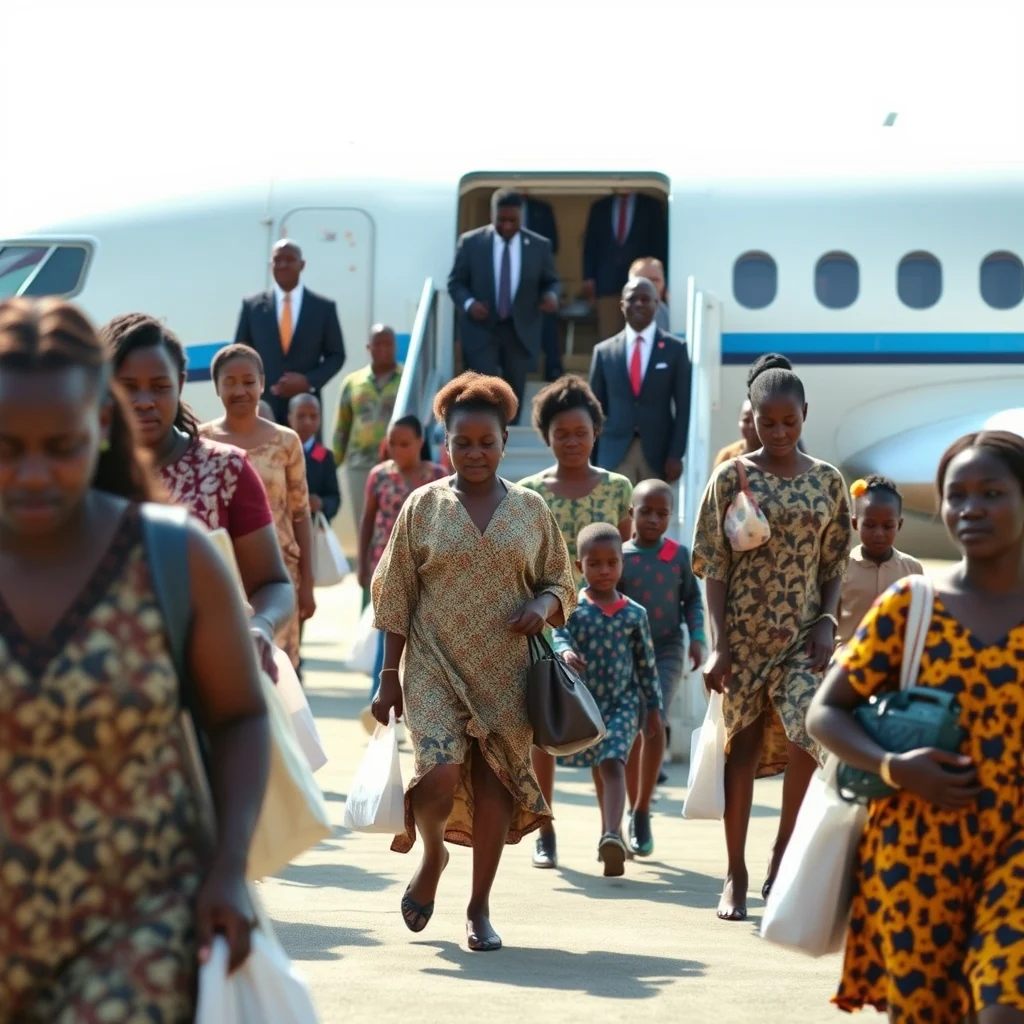
Ghanaian government officials, led by Foreign Affairs Minister Samuel Okudzeto Ablakwa, have finalized arrangements to receive the first group of Ghanaians being evacuated from South Africa due to escalating xenophobic attacks. The reception, expected imminently, includes a comprehensive five-point support package aimed at ensuring the evacuees’ dignified return and smooth reintegration into Ghanaian society.
Government Commitment to Citizen Welfare
Minister Ablakwa emphasized the government’s unwavering commitment to its citizens abroad, stating that preparations are complete for the evacuees’ arrival. He reassured them that they would be welcomed as returning citizens, not as refugees or destitute individuals, highlighting Ghana’s capacity to care for its own.
“You are not refugees, you are not some destitute. Ghana is not some war zone where we cannot take care of our own,” Minister Ablakwa declared, addressing the group prior to their departure. This statement underscores the government’s stance that the evacuation is a measure to protect citizens in distress, not an admission of the nation’s inability to support them.
High-Level Reception Planned
A high-level government delegation, headed by the Chief of Staff, is slated to receive the first batch of evacuees upon their landing in Ghana. This presence signifies the gravity with which the government views the situation and its dedication to providing immediate support.
Minister Ablakwa shared that the Chief of Staff himself expressed a desire to be present for the reception, further illustrating the importance attached to this repatriation effort. The government views this as a fundamental duty to protect and assist Ghanaians facing unsafe conditions in foreign lands.
Support Package Details
While specific details of the five-point support package were not fully elaborated in the initial reports, it is understood to encompass measures for immediate needs and longer-term reintegration. This could include temporary accommodation, psychological support, and assistance with re-establishing livelihoods.
The government’s proactive approach aims to prevent the evacuees from feeling like displaced persons. By framing their return as a homecoming, Ghana seeks to foster a sense of belonging and security for those affected by the violence in South Africa.
Broader Context of Xenophobia in South Africa
The evacuations come in response to a surge in xenophobic attacks and anti-immigrant sentiment in parts of South Africa. These incidents have targeted foreign nationals, including Ghanaians, leading to safety concerns and the need for repatriation.
Ghana has historically prided itself on being a welcoming nation, a point Minister Ablakwa alluded to by mentioning the steady arrival of foreign nationals who feel safe and at home in the country. The current situation in South Africa stands in stark contrast to this perception.
Government’s International Responsibility
This evacuation exercise underscores Ghana’s commitment to its citizens’ safety and well-being, regardless of their location. It reflects a swift and decisive response to a crisis situation, ensuring that no Ghanaian is left vulnerable abroad.
Officials confirmed that coordination is ongoing to manage subsequent batches of evacuees, indicating that this is a developing situation requiring continuous government attention and resources. The focus remains on ensuring safe transport and adequate support for all Ghanaians affected by the unrest.
Looking Ahead: Reintegration and Future Measures
The successful reintegration of these evacuees will be a key focus in the coming weeks and months. The government’s ability to provide effective support will be crucial in helping them rebuild their lives in Ghana.
Furthermore, the situation raises questions about diplomatic relations and potential measures to prevent future occurrences. Ghana’s response sets a precedent for how it will handle similar crises involving its diaspora, emphasizing citizen protection as a paramount concern.

Leave a Reply