
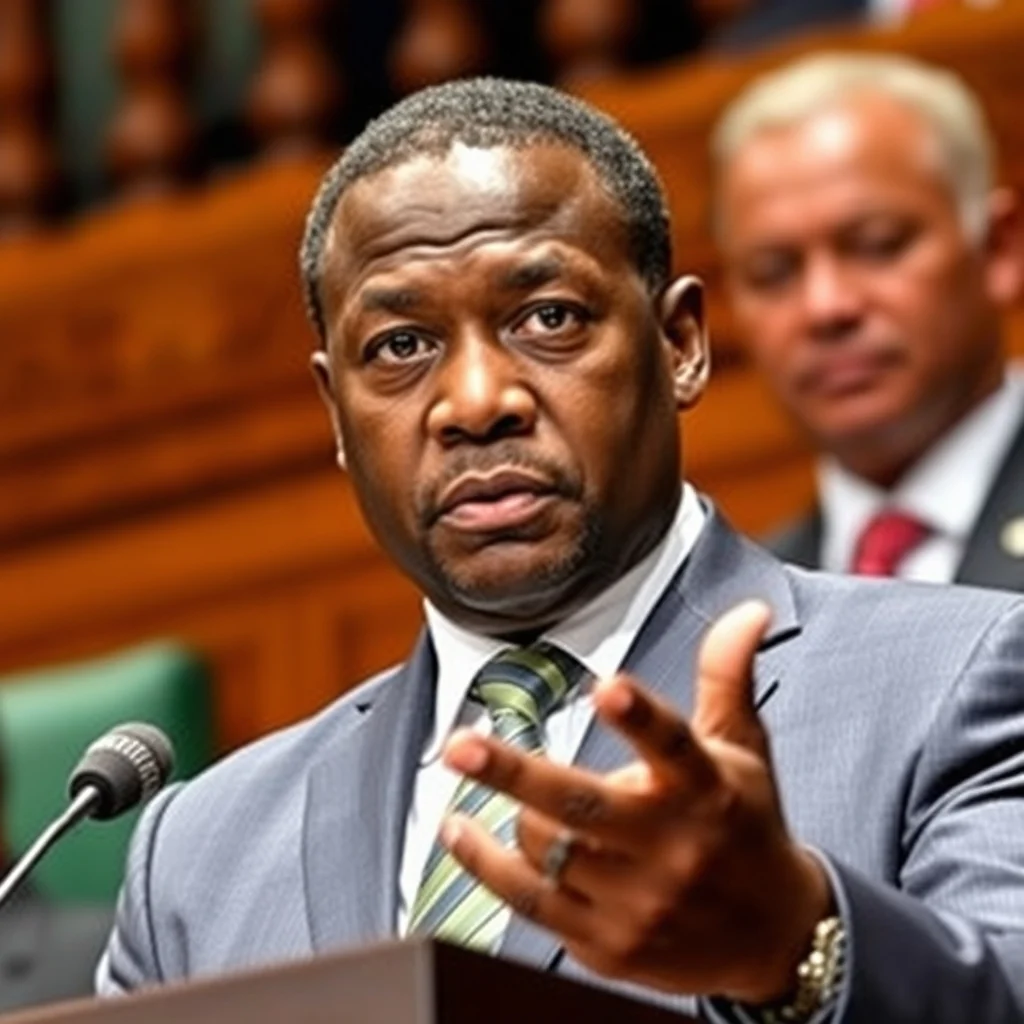
Accra, Ghana – Member of Parliament for Old Tafo, Vincent Ekow Assafuah, has publicly accused the current government of demonstrating “selective reasoning” and inconsistency regarding reforms in legal education, specifically in the wake of recent controversies surrounding the Ghana School of Law entrance examinations. The MP claims the government is using constitutional and procedural arguments to backtrack on earlier assurances made to students that entrance exams would be abolished.
Background of Assurances and Reforms
The debate stems from previous statements and apparent policy shifts concerning admission into the Ghana School of Law. Students and stakeholders understood that entrance examinations, a long-standing hurdle, were slated for removal. This understanding was reportedly based on government assurances, leading many prospective law students to plan their academic and professional paths accordingly.
Assafuah argues that the government’s current stance, which reintroduces or upholds the entrance examination requirement, contradicts these prior commitments. He points to a perceived lack of urgency in addressing student concerns compared to the swift passage of other government legislation.
Contrasting Legislative Urgency
The Old Tafo MP highlighted the rapid legislative processes for bills such as the Goldbod Act, the Energy Sector Levies Amendment Bill, and Sports Fund legislation. These bills, according to Assafuah, moved through Parliament and received presidential assent in significantly shorter timeframes than the current legal education reform discussions.
“When it suited his government, urgency was never a problem,” Assafuah stated, contrasting this with the perceived delay and lack of decisive action on issues directly impacting law students. He characterized this disparity as “selective reasoning” rather than consistent constitutional application.
Accountability and Student Reliance
Assafuah further pressed the government on accountability, asserting that leaders have failed to adequately address the concerns arising from the broken assurances. He emphasized the direct impact on students who relied on the government’s earlier promises.
“The issue is simple. Assurances were given. Students relied on them. Those assurances have now proven unreliable,” he stressed. This reliance, he contends, places a moral and political obligation on the government to honor its commitments or provide a transparent and justifiable explanation for the change in policy.
Support for Prospective Law Students
The MP reaffirmed his solidarity with aspiring law students, declaring his unwavering support for their cause. “To my brothers and sisters in law faculties, your cause is my resolution. Until justice is meted to you, I shall not relent nor bend,” Assafuah pledged, signaling continued political engagement on the matter.
Implications and Future Outlook
The controversy raises significant questions about policy consistency and the government’s communication with its citizenry, particularly concerning educational pathways. The discrepancy in legislative speed and the perceived backtracking on assurances could erode trust among students and the wider public.
Moving forward, stakeholders will be watching to see if the government provides a clearer rationale for its position on the Ghana School of Law entrance examinations. Further legislative action, parliamentary debates, or public statements are anticipated. The resolution of this issue could set a precedent for how government assurances are managed in future policy reforms, impacting student aspirations and the integrity of the legal education system in Ghana.










Leave a Reply