
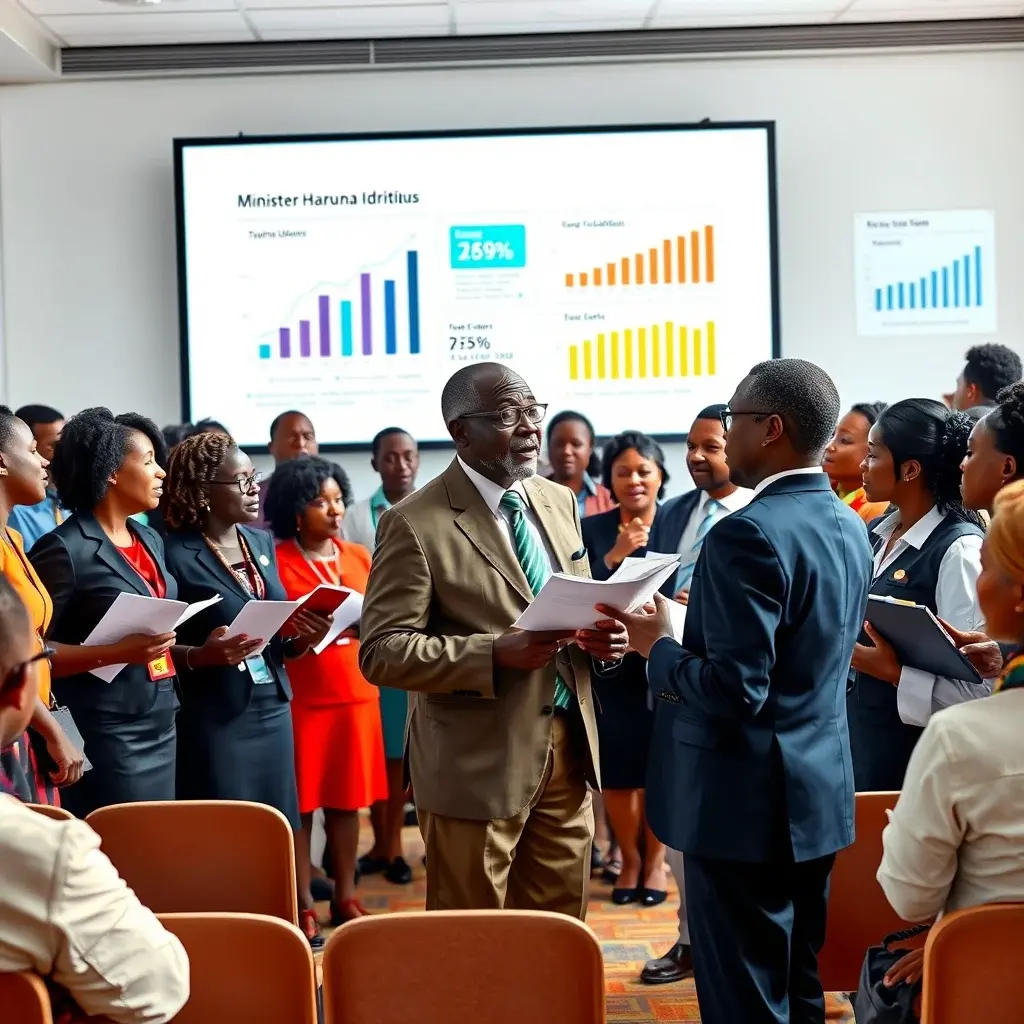
Accra, Ghana – May 1, 2026 – Minister for Education, Haruna Iddrisu, announced on Friday during the May Day celebrations in Kumasi that the government will conduct a review of the recently set teacher recruitment quotas, potentially increasing the 7,000 available slots for the 2026 academic year. This pledge comes in response to significant dissatisfaction from teacher unions, including the Ghana National Association of Teachers (GNAT), who deem the current allocation insufficient to address the backlog of over 10,000 unemployed trained education graduates.
Context of Teacher Employment Challenges
For years, Ghana’s education sector has grappled with the challenge of absorbing a large number of graduates from its Colleges of Education and tertiary institutions. Despite completing their training, many find themselves on extended waitlists, unable to secure employment within the public school system due to limited government recruitment ceilings. This situation has led to persistent advocacy from teacher unions and affected graduates for increased hiring.
Minister Acknowledges Shortfall and Draws Parallels
Speaking at the May Day event, Minister Iddrisu acknowledged the concerns raised by GNAT and other teacher unions. He conceded that the proposed 7,000 recruitment slots for teachers in 2026 are disproportionately low when compared to other public service sectors.
Mr. Iddrisu specifically highlighted the 15,000 recruitment slots allocated to the health sector as a benchmark. He argued that Ghana’s extensive educational infrastructure, comprising numerous basic and second-cycle schools across all 16 regions, necessitates a larger workforce to maintain educational quality and standards.
“The 7,000 is not enough, particularly where health workers had 15,000 and others. There are more schools than hospitals, so government will work and up the numbers,” the minister stated emphatically.
Addressing National Needs and Graduate Backlog
The minister’s statement underscores a critical logistical and planning reality for the government. While initiatives like Free Primary Healthcare and Mahama Care are expanding health services, the education sector remains Ghana’s largest employer. A corresponding investment in human capital is crucial to prevent a decline in the quality of education.
Mr. Iddrisu assured the teacher unions that their grievances have been heard. He indicated that high-level consultations are already underway with relevant stakeholders to revise the recruitment figures. The aim is to better align the numbers with the nation’s actual needs and the reality of graduates awaiting posting.
The ministry’s commitment to increasing recruitment numbers is expected to provide much-needed relief to thousands of graduates. This move also aims to improve the teacher-to-pupil ratio across the country, ensuring that more classrooms are adequately staffed with qualified educators.
Implications and Future Outlook
The impending review and potential increase in teacher recruitment signal a positive shift in government policy towards addressing the human resource needs of the education sector. This development could lead to improved learning environments and reduced unemployment among trained teachers.
Stakeholders will be closely watching the outcomes of the ongoing consultations. The key factors to monitor will be the final revised recruitment numbers, the timeline for their implementation, and how effectively the increased intake addresses the existing backlog and the ongoing demand for teachers in Ghana’s expanding school system.









Leave a Reply