
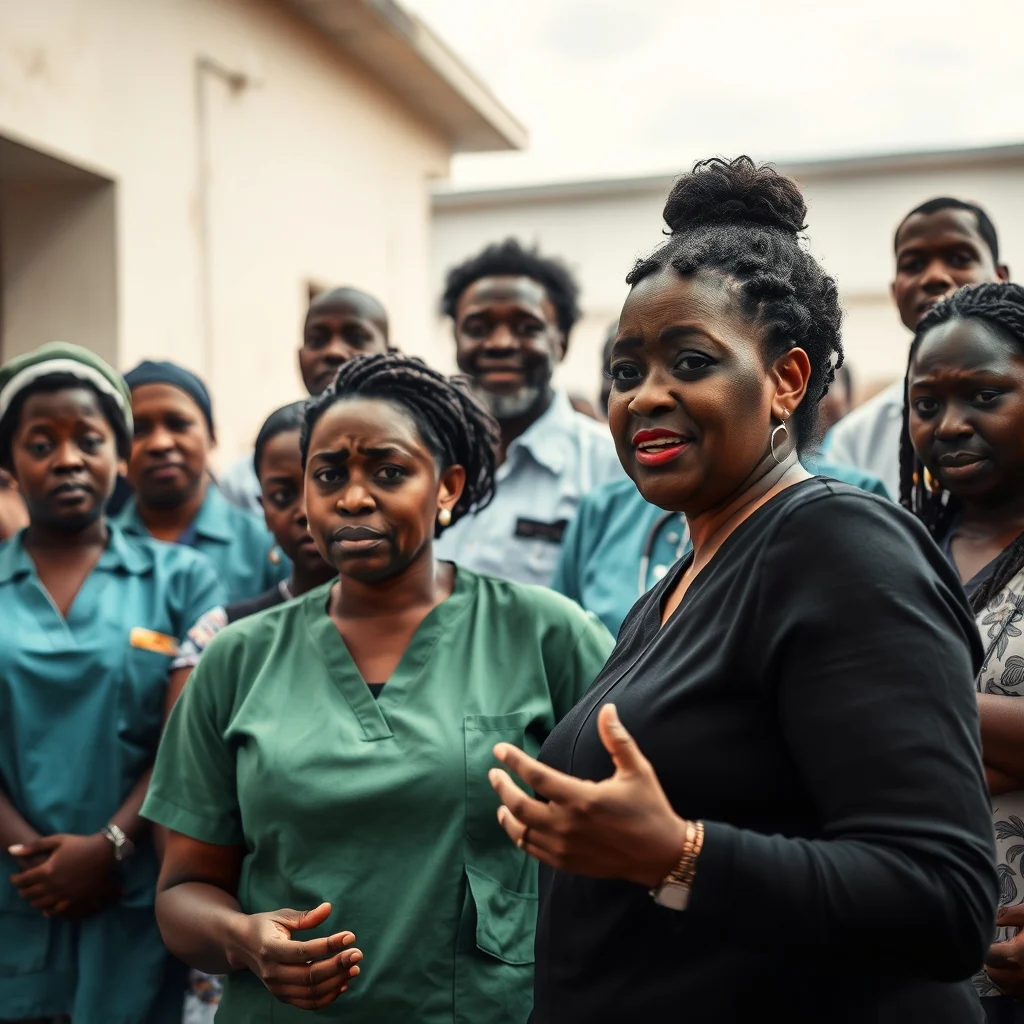
The Women’s Committee of the Health Services Workers’ Union (HSWU) in Ghana’s Volta and Oti regions has formally requested the government to address the precarious employment conditions of casual health workers. This urgent appeal, made on Friday, May 1st, during a May Day outreach event at the New Horizon School for the Blind in Ho, highlights long-standing disparities and calls for policy intervention to ensure fair treatment and job security for these essential personnel.
Context of Precarious Employment
For years, a significant number of individuals have been employed in various support roles within the health sector on a casual basis. These roles span critical areas such as orderlies, records management, laundry services, accounts, security, driving, and administrative functions. Despite their consistent service, often spanning over a decade, many of these workers remain outside the government payroll. This situation perpetuates a cycle of uncertainty and financial instability.
Low Wages and Undervalued Contributions
The HSWU Women’s Committee has brought to light the stark reality of inadequate remuneration for casual health workers. Chairperson Mabel Duvor reported that some individuals earn as little as GH¢700 per month. This wage is considered unsustainable and does not reflect the significant contributions these workers make to the daily functioning and overall effectiveness of healthcare delivery across the regions.
“We respectfully appeal that attention should also be given to casual workers,” stated Mrs. Duvor, emphasizing the need for government action. The union’s call is for the regularization of their employment status. This would ensure equitable pay, provide a sense of job security, and ultimately boost morale within the healthcare workforce.
Staffing Gaps and Service Delivery Impact
Beyond the plight of casual workers, Mrs. Duvor also raised alarm over existing staffing gaps within the paramedical services. She noted that the retirement of personnel has not been adequately addressed with new recruitments for several years. This trend is reportedly impacting the quality and efficiency of service delivery.
The continuous loss of experienced staff without timely replacements places an unsustainable burden on the remaining healthcare professionals. This increased pressure can lead to burnout and further compromise patient care. The HSWU’s request includes an urgent call for recruitment to fill these critical vacancies.
Call for Inclusive Workforce Planning
The HSWU Women’s Committee advocates for a more comprehensive and inclusive approach to health sector workforce planning. They argue that sustainable development in healthcare must inherently recognize and protect the rights and welfare of every category of worker, regardless of their employment status.
“Together, let us build a system that values every worker and leaves no one behind,” Mrs. Duvor urged, underscoring the union’s vision for a more equitable and resilient health system. The committee’s efforts aim to foster an environment where all individuals contributing to healthcare are treated with dignity and fairness.
Future Implications
The HSWU’s appeal brings into sharp focus the potential long-term consequences of neglecting the welfare of casual health workers and failing to address staffing shortages. The regularization of casual staff could lead to improved service delivery, reduced staff turnover, and a more motivated workforce. Conversely, continued inaction risks exacerbating existing pressures on the health system, potentially impacting patient outcomes and the overall capacity to respond to health emergencies. The government’s response to these demands will be crucial in shaping the future stability and effectiveness of Ghana’s healthcare sector. Observers will be watching for policy shifts and budget allocations aimed at rectifying these systemic issues.










Leave a Reply