
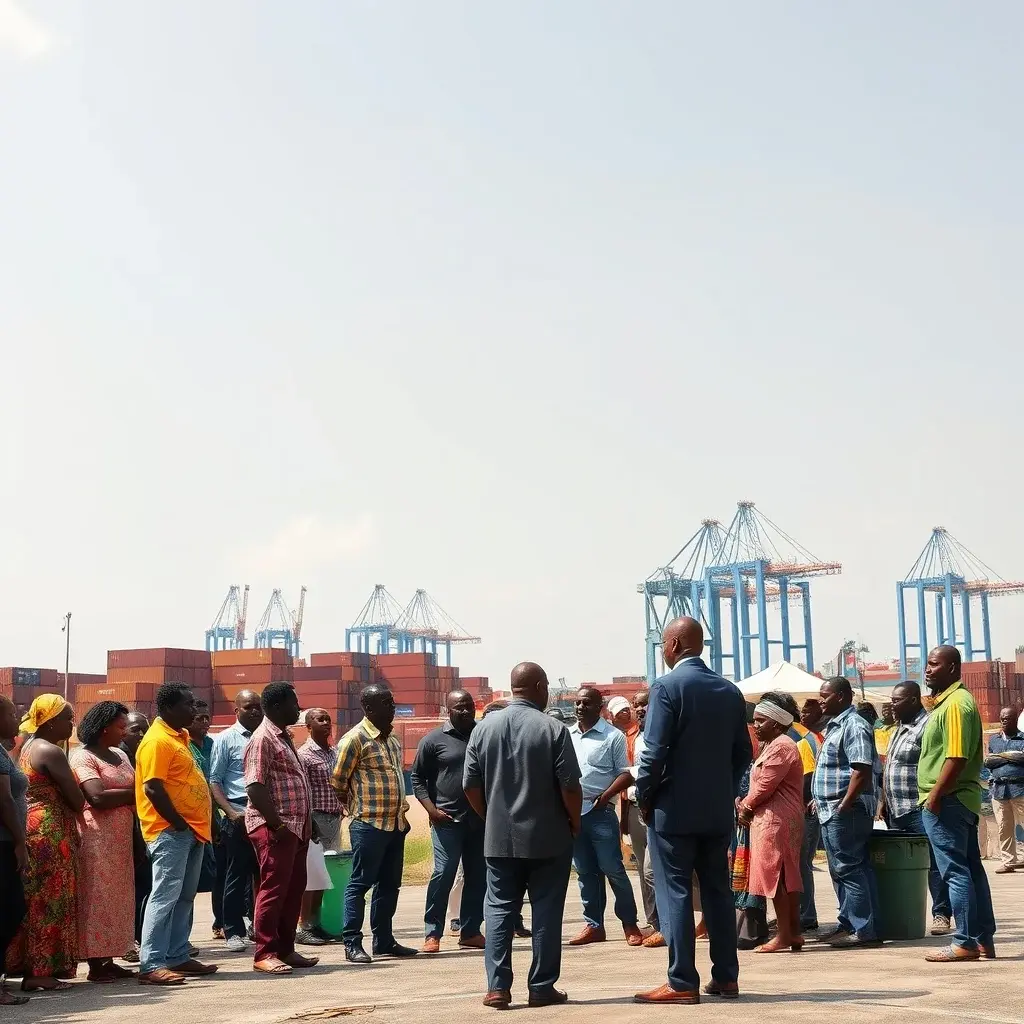
Indigenous freight forwarders have lauded the management of the Ghana Ports and Harbours Authority (GPHA) for successfully intervening to prevent a planned protest by residents of Dzata-Bu in Tema Community Three. The swift response addressed concerns over indiscriminate truck parking and poor sanitation, averting potential conflict between the community and port stakeholders.
Context of Community Grievances
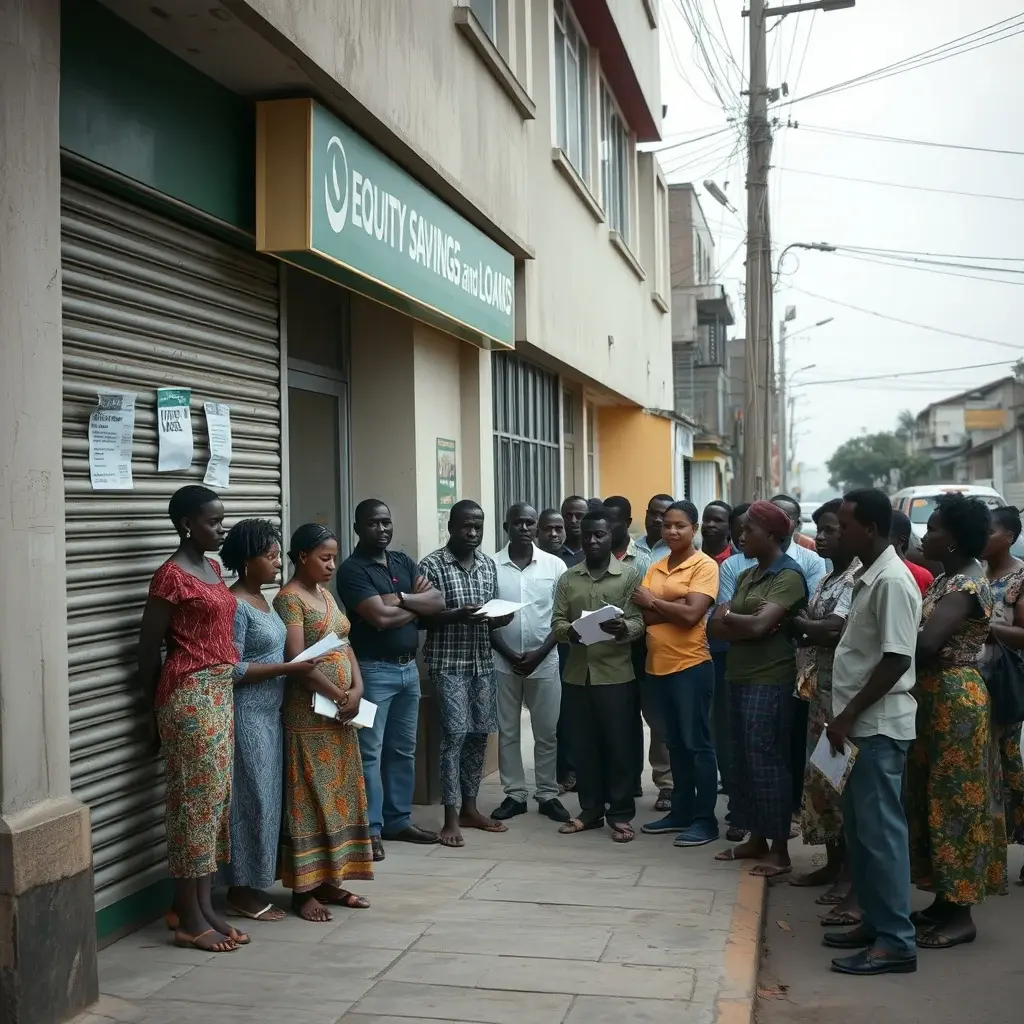
Residents of Dzata-Bu had announced a three-day peaceful protest scheduled to commence on June 3, 2026. The planned demonstration aimed to highlight issues stemming from the indiscriminate parking of articulated trucks within their community and persistent littering by truck drivers and their assistants. Flyers circulated by the residents, bearing the message “Our Land, Our Voice: Dzata-Bu Says No to MSC and Their Agents,” called for unity in protecting the area’s environment, safety, and dignity.
The campaign accused some truck operators and port-related businesses of utilizing parts of Dzata-Bu as unofficial truck terminals. This practice has led to significant congestion, environmental pollution, sanitation challenges, and safety risks, particularly for children. The protest was reportedly supported by the local Assembly Member, community leaders, and residents who expressed frustration over years of alleged neglect and deteriorating living conditions.
Port Authority’s Responsive Action
In response to the impending protest, Tema Port management initiated prompt discussions with community leadership. The engagement sought to find both immediate and long-term solutions to the residents’ grievances. The meeting was led by the Acting Director of Tema Port, Tebon Zumah Esq., accompanied by the Port’s Head of Security, Colonel Daniel Atobrah Bondah.
Port officials acknowledged the validity of the residents’ concerns and committed to addressing the issues. Discussions focused on key areas including indiscriminate truck parking, sanitation management, environmental cleanliness, road obstructions within the community, and the need for better coordination among transport operators and port stakeholders.
Community Reaction and Expert Opinion
Dr. Godfred Mawuli Tettey, Convenor of Advocates for Indigenous Freight Forwarders, commended the GPHA’s timely intervention. He described the engagement as a demonstration of responsive leadership and effective stakeholder management. “The concerns of the community were genuine and required immediate attention. The decision by port management to engage residents promptly helped ease tensions and opened the door for meaningful dialogue and practical solutions,” Dr. Tettey stated.
Residents who participated in the engagement welcomed the intervention and expressed cautious optimism. They indicated a commitment to closely monitor the implementation of the proposed measures. Dr. Tettey emphasized the importance of proactive engagement, urging public institutions to address community grievances promptly to build public confidence.
“Communities want to be heard. When concerns are addressed through dialogue and timely action, trust in institutions is strengthened, and unnecessary confrontations are avoided,” he added. He expressed confidence that sustained dialogue among communities, port authorities, and transport operators would prevent future tensions and foster a more harmonious relationship among all stakeholders.
Tema Port’s Role and Future Outlook
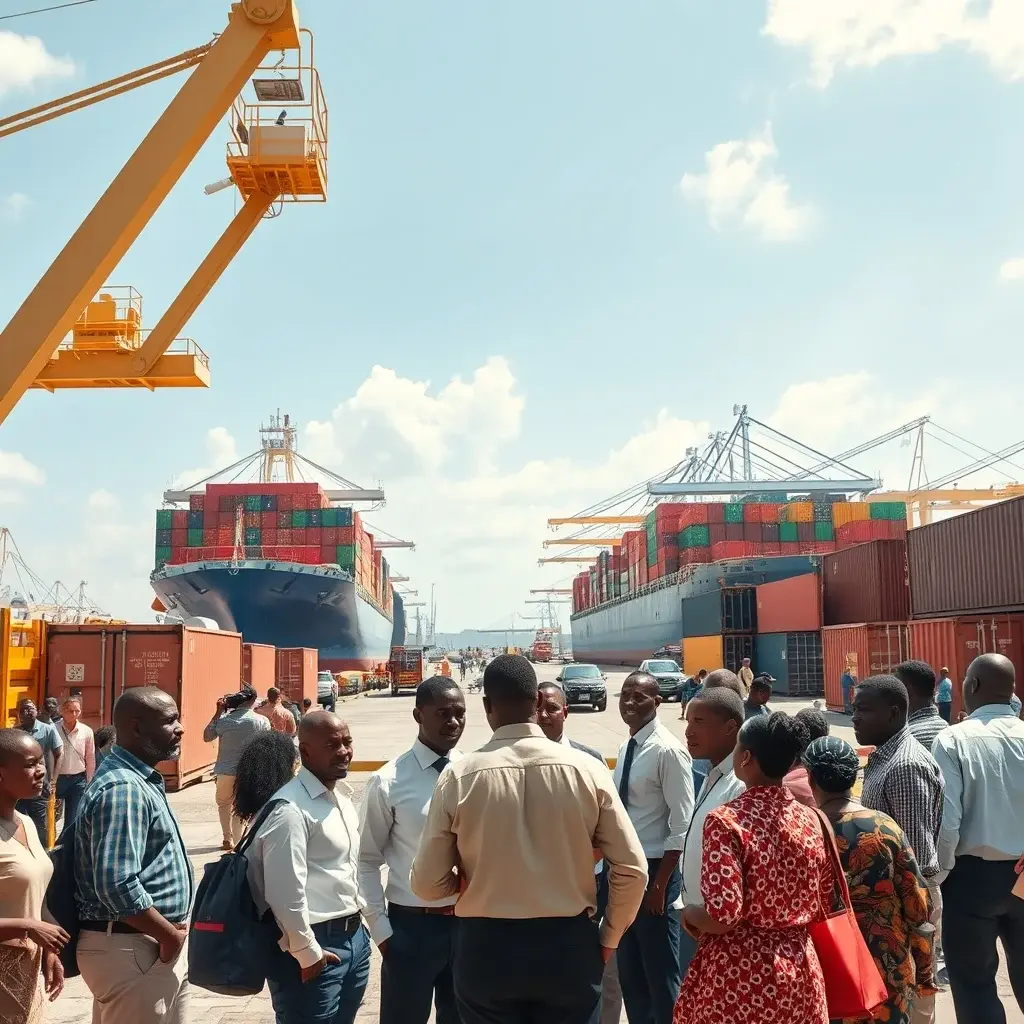
Tema Port serves as Ghana’s largest seaport and a critical trade gateway for West Africa. It handles extensive cargo and transit operations for both Ghana and neighboring landlocked countries. The port’s management assured residents of intensified collaboration with relevant agencies and stakeholders to restore order and improve sanitation not only within the port enclave but also in the adjoining communities.
The successful resolution of this potential conflict highlights the benefits of proactive communication and problem-solving in managing the complex relationship between industrial operations and local communities. Future efforts will likely focus on the sustained implementation of agreed-upon solutions and continued dialogue to ensure a balanced approach to port operations and community well-being.








Leave a Reply