
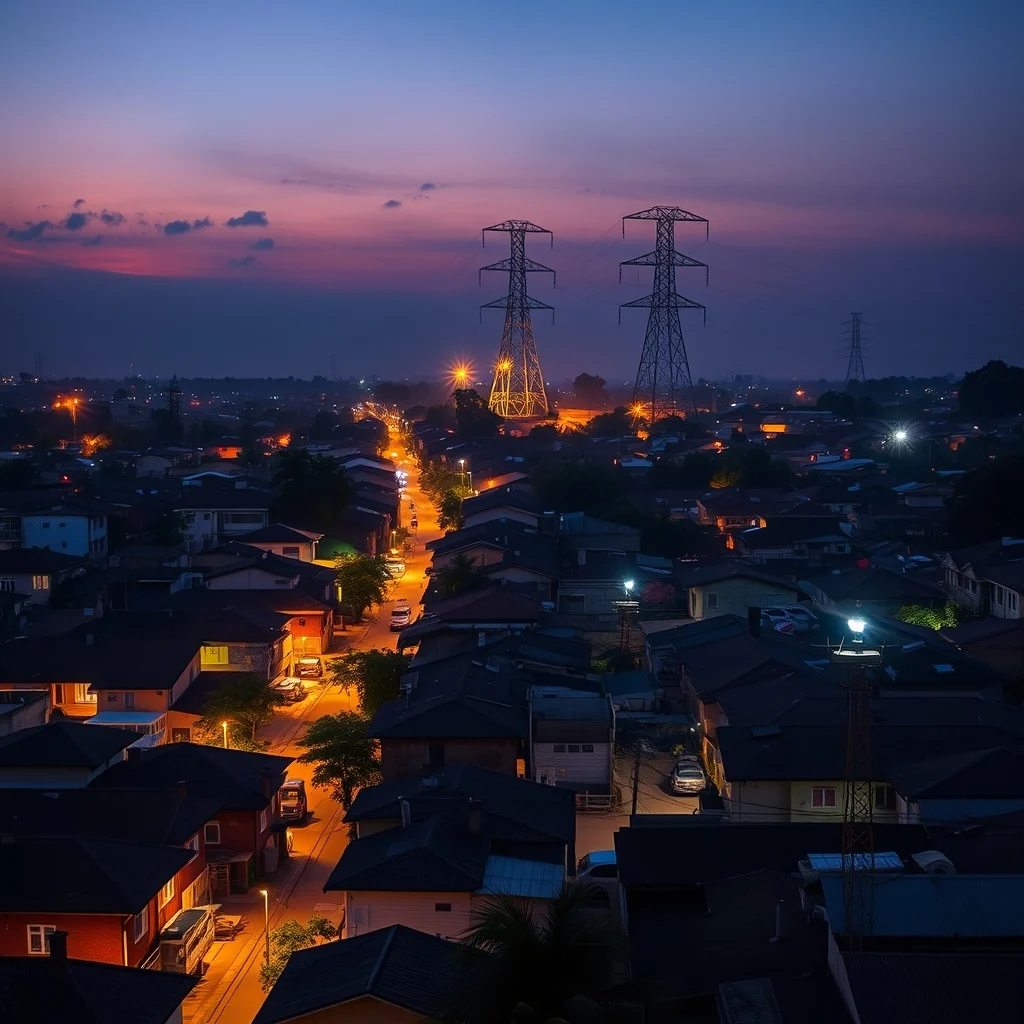
The Minister for Energy and Green Transition, John Abdulai Jinapor, announced on May 2nd that Ghana has experienced a significant improvement in power stability from January 2025 compared to the same period in 2024. Speaking on JoyNews’ Newsfile program, Mr. Jinapor presented data indicating a substantial reduction in power outages nationwide.
Context of Power Challenges
The year 2024 was marked by persistent and widespread load shedding across Ghana. Mr. Jinapor noted that every month in 2024 saw consistent power interruptions, impacting households and businesses. This situation contrasted sharply with the early months of 2025, which have seen several months without national load shedding in many areas.
Addressing Systemic and Localized Issues
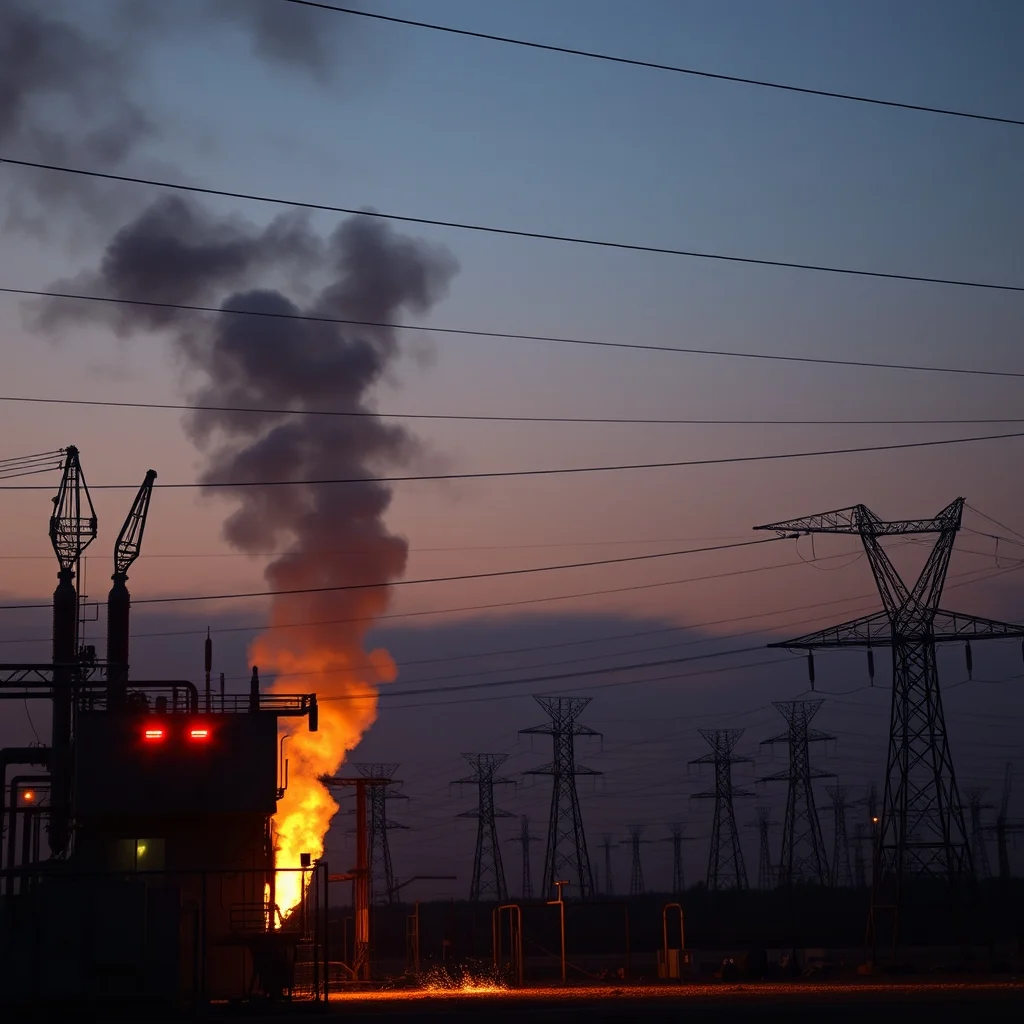
While acknowledging the progress, the Minister conceded that the nation has not entirely overcome its power challenges. He attributed the remaining intermittent outages to localized faults rather than systemic national grid failures. These localized issues often stem from aging and overloaded transformers within the electricity distribution network.
The Electricity Company of Ghana (ECG) has itself admitted that many transformers are obsolete or incapable of handling the current demand, leading to frequent tripping. The government, upon taking office, initiated a program to upgrade and replace these critical components.
Infrastructure Upgrades and Financial Reforms
Mr. Jinapor highlighted that the process of addressing these infrastructure issues is gradual, as the government inherited these long-standing problems. Significant efforts are being made to tackle the approximately 83,000 transformers nationwide that require attention, whether due to overload or obsolescence.
In Accra, several primary substation transformers have been replaced to enhance bulk power distribution. The focus is now shifting towards addressing smaller, community-level transformers. Furthermore, financial reforms have improved the payment situation for independent power producers (IPPs).
Previously, IPPs received only 42 percent of their payments. Now, under the cash waterfall mechanism, they are reportedly receiving full payments, which is crucial for maintaining a stable energy supply. This financial stability is expected to encourage continued investment and operational reliability from IPPs.
Expert Perspectives and Data
“When you look at the 2024 data against 2025, there is a remarkable improvement. This is data, not opinion, these are facts,” Mr. Jinapor stated, emphasizing the factual basis of his claims. He pointed to the consistent outages throughout each month of 2024 as evidence of the previous year’s difficulties.
The Minister appealed for patience from the public, noting that the government has been actively addressing the situation for the past three months. He expressed confidence that the ongoing interventions would resolve the remaining isolated outages and further stabilize the national power supply.
Implications for Ghana
The reported improvement in power stability has significant implications for Ghana’s economy and its citizens. Reliable electricity is fundamental for industrial growth, business operations, and daily life. Reduced load shedding can lead to increased productivity, lower operational costs for businesses, and improved living standards.
The ongoing infrastructure upgrades, particularly the replacement of aging transformers, are vital for long-term grid resilience and capacity. The financial reforms aimed at ensuring timely payments to IPPs are essential for attracting and retaining energy generation capacity.
What to Watch Next
Looking ahead, the key will be the sustained implementation of the transformer replacement program and the continued financial stability for IPPs. Ghanaians will be watching to see if the trend of reduced outages continues throughout the year and if the remaining localized issues are resolved effectively. Further updates on the progress of these infrastructure projects and the overall health of the national grid will be critical indicators of Ghana’s energy security.




Leave a Reply