
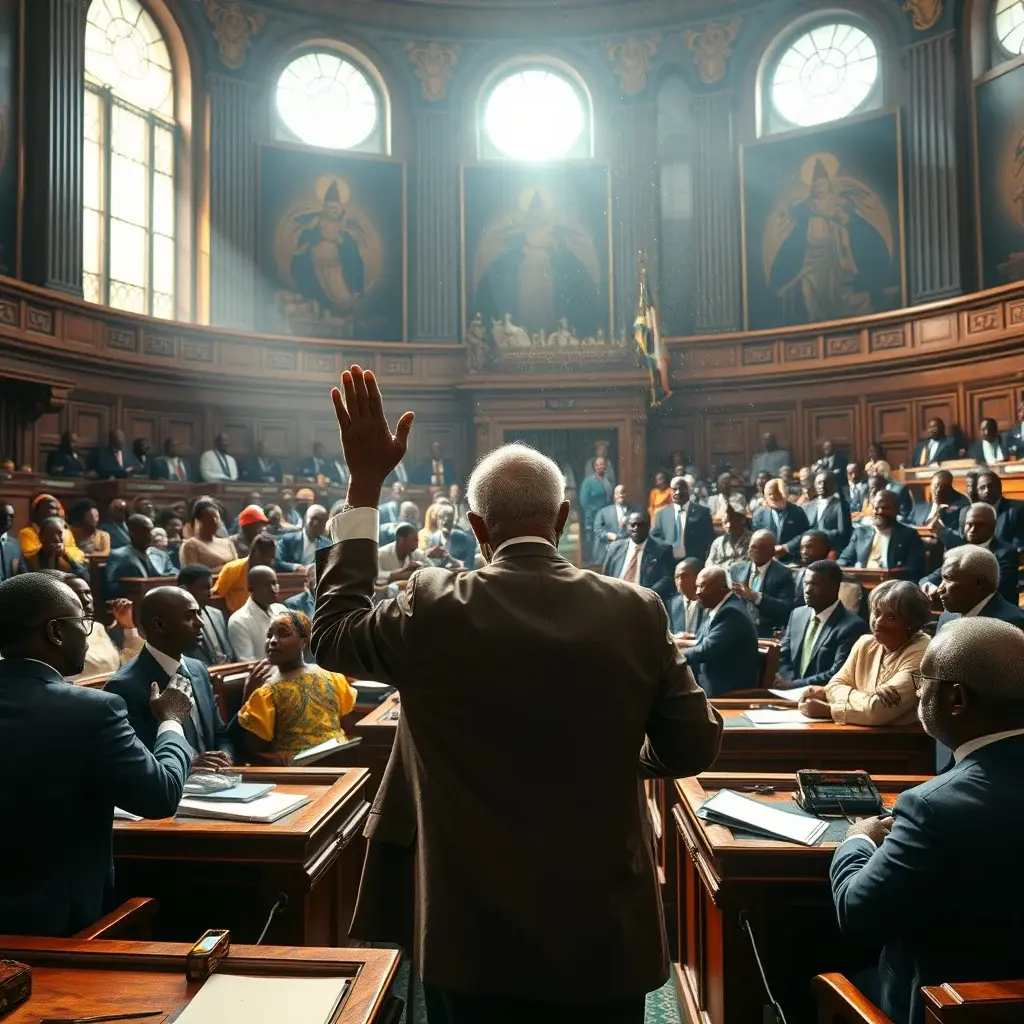
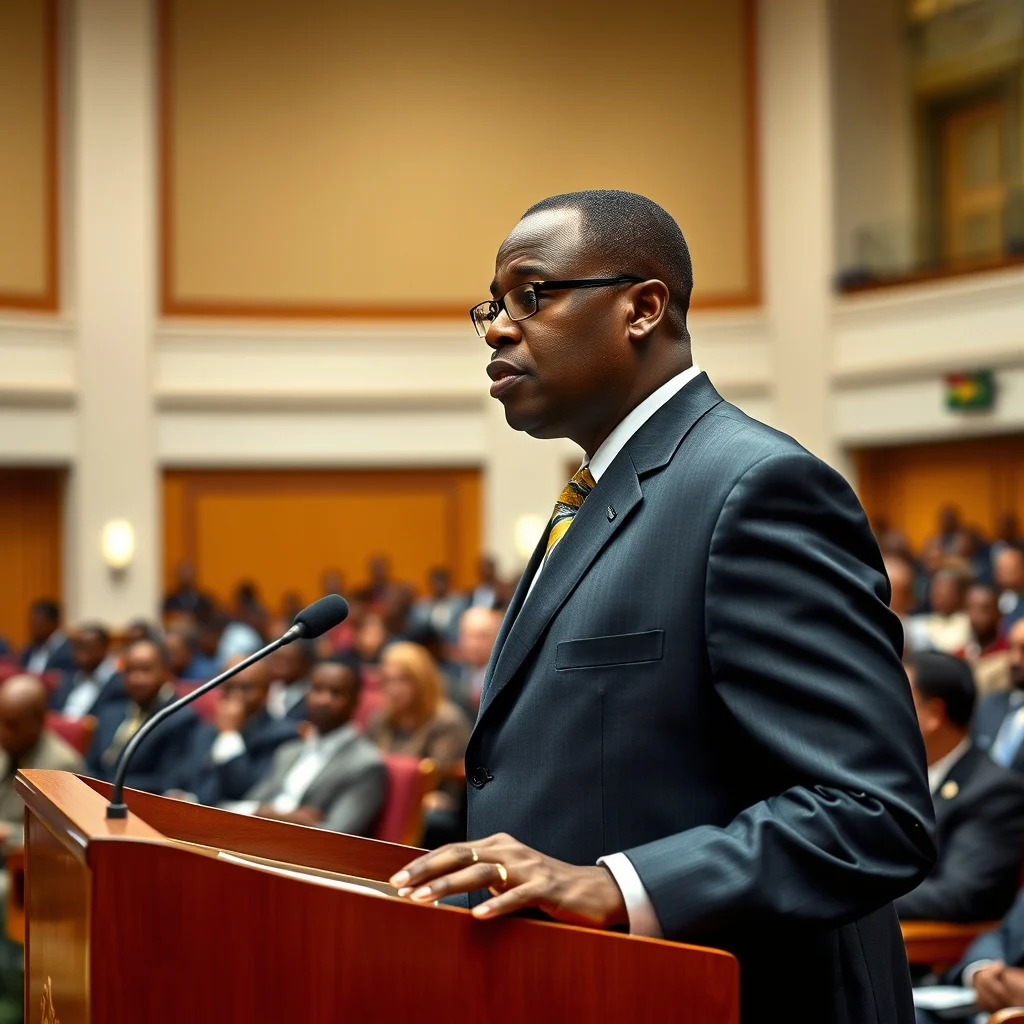
Dr. Kwabena Opuni-Frimpong, former General Secretary of the Christian Council of Ghana, has urged Ghanaian lawmakers to move beyond partisan political games and pass a robust anti-LGBTQ+ bill. Speaking on Thursday, June 4, following a presentation at the 4th African Conference on Family, Sovereignty and Values, he stressed that citizens desire a dignified and effective law to protect societal moral fabric and children’s future, rather than parliamentary point-scoring between the National Democratic Congress (NDC) and the New Patriotic Party (NPP).
Context of Legislative Delays
The proposed anti-LGBTQ+ legislation has been a subject of intense debate in Ghana for over five years, becoming one of the most debated private member’s motions in the nation’s legislative history.
A significant setback occurred when the initial draft of the bill expired with the dissolution of the 8th Parliament. Although reintroduced in the current Parliament and passed for a second time, its re-emergence has fueled considerable friction and confusion between the Majority and Minority caucuses.
Calls for National Duty Over Political Convenience
Dr. Opuni-Frimpong expressed deep disappointment with the persistent political wrangling surrounding the bill. He emphasized that safeguarding family values is a collective national responsibility that should transcend party affiliations.
The theologian and family advocate warned that continued parliamentary deadlock could lead to severe and potentially irreversible socio-moral consequences for Ghana. He asserted that the nation’s spiritual and cultural health should not be compromised for political expediency.
Broader Continental Appeal
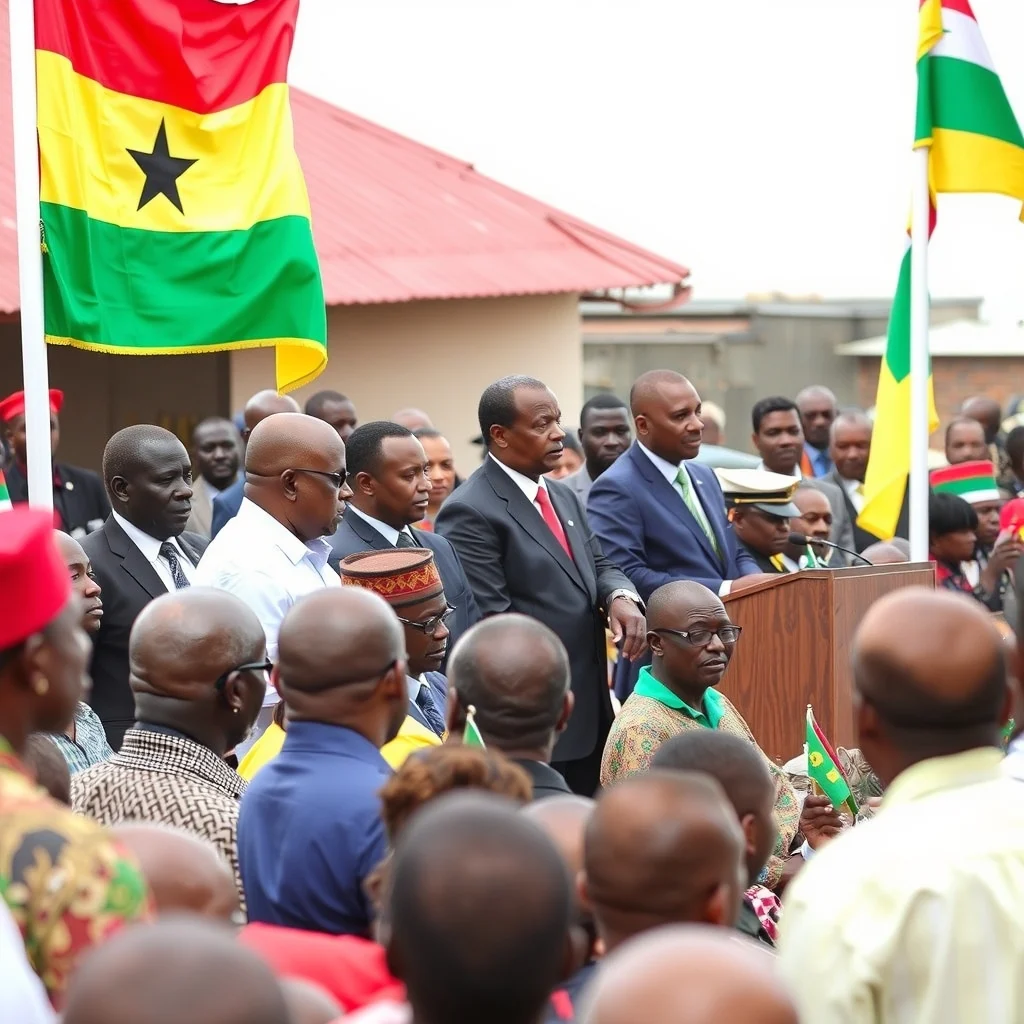
Shifting focus to the continental stage, Dr. Opuni-Frimpong appealed to African heads of state attending the summit. He called on leaders to transition from delivering eloquent speeches to implementing concrete policies that deliver tangible results for their citizens.
He posited that true national sovereignty is demonstrated by a nation’s capacity to protect its cultural heritage and family structures from external influences.
Urgent Need for Unified Action
Dr. Opuni-Frimpong implored Parliament to unite, resolve internal partisan disputes, and enact a clear, legally sound statute that genuinely reflects the aspirations of the Ghanaian people.
Implications and Future Outlook
The ongoing debate and legislative delays surrounding the anti-LGBTQ+ bill highlight a critical juncture for Ghana’s governance and societal values. The pressure from figures like Dr. Opuni-Frimpong underscores a public demand for decisive action that prioritizes national identity and child protection over political maneuvering.
The situation serves as a microcosm of broader discussions across Africa regarding cultural preservation, sovereignty, and the influence of external pressures. The effectiveness of leadership in translating public sentiment into actionable policy remains a key factor to watch, not just in Ghana but across the continent.
Moving forward, the focus will be on whether Parliament can overcome its internal divisions to pass legislation that satisfies public expectations and withstands legal scrutiny. The resolution of this issue will have significant implications for Ghana’s social landscape and its international relations, as well as setting a precedent for how similar debates are handled elsewhere in Africa.







Leave a Reply