
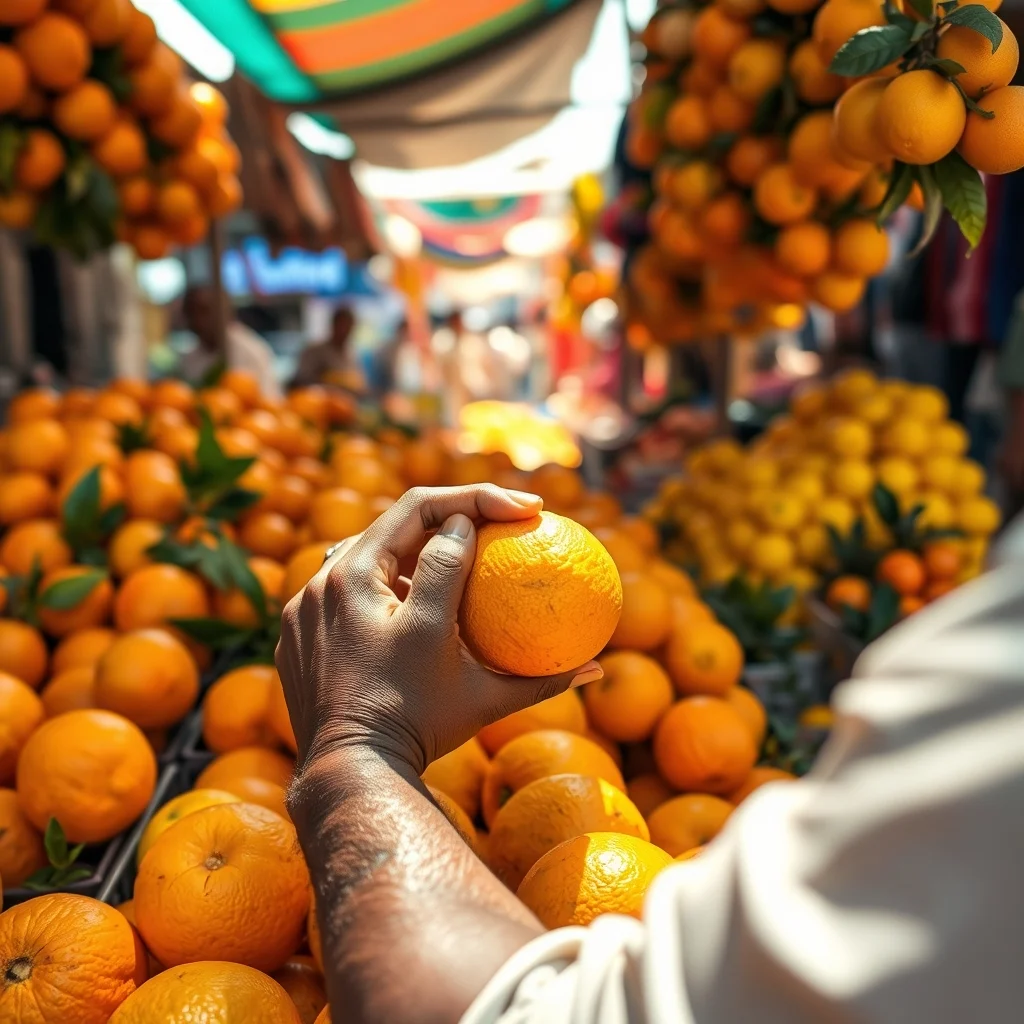
Coinciding with Men’s Health Month in June, a period when citrus fruits like oranges, tangerines, and lemons are abundant in Ghana, these fruits offer substantial nutritional benefits that can positively impact men’s long-term health and combat chronic diseases prevalent in the male population. This seasonal availability presents a timely opportunity for men to incorporate these nutrient-dense foods into their diets.
Understanding the Health Landscape for Men
Chronic diseases present a complex health challenge, with distinct patterns observed between genders in Ghana. While women may experience higher rates of obesity, men often face issues such as delayed healthcare-seeking, leading to more severe cardiovascular complications and higher rates of premature mortality.
Hypertension and diabetes significantly affect both men and women, contributing to a rising incidence of heart disease and stroke nationwide. These trends underscore the critical role of simple, preventive lifestyle choices, including the regular consumption of fruits and vegetables like citrus, in maintaining overall health and promoting healthy aging.
Beyond Vitamin C: A Spectrum of Nutrients
While Vitamin C is widely recognized for its immune-boosting properties and role in combating age-related wear and tear, citrus fruits provide a more comprehensive nutritional profile.
These fruits are also rich in:
- Potassium: Essential for maintaining healthy blood pressure levels, thus supporting cardiovascular health.
- Fibre: Aids in promoting heart health, facilitating digestion, and managing weight.
- Folate: Crucial for healthy cell function and the production of red blood cells.
- Water: Contributes to maintaining energy levels, physical performance, and overall well-being.
- Flavonoids: Naturally occurring plant compounds, such as hesperidin and naringenin, which are subjects of ongoing research for their potential benefits in cardiovascular and metabolic health.
The Significance for Male Health
Men are increasingly susceptible to chronic conditions including hypertension, diabetes, overweight, obesity, heart disease, and other serious health challenges. While no single food can offer complete protection, a dietary pattern rich in fruits and vegetables is consistently linked to improved health and successful aging.
Adopting a diet that prioritizes whole fruits over highly processed snacks and sugary beverages, though seemingly a small choice, yields significant cumulative benefits over time. These dietary shifts can help tilt the odds in favor of better health outcomes.
Scientific Insights into Citrus Benefits
Research indicates that the natural compounds found in citrus fruits may enhance the body’s ability to utilize sugar effectively, help regulate cholesterol levels, reduce inflammation, and maintain the health of blood vessels.
These effects are vital for supporting heart health and overall physiological function. Studies focusing on citrus fruit consumption have observed a correlation between frequent intake and a reduced incidence of cardiovascular diseases, particularly stroke.
It is important to note that citrus fruits are not medicines but rather part of a broader dietary approach. Their inclusion in a balanced diet, especially flavonoid-rich options, appears to contribute to better long-term health outcomes.
Supporting Healthy Aging Through Diet
Scientists continue to investigate the complex array of natural compounds in citrus fruits to better understand their role in promoting healthy aging and offering protection against chronic diseases. The existing evidence strongly supports the integration of fruits and vegetables into a healthy lifestyle.
Maximizing the Benefits of Citrus Season
With Men’s Health Month highlighting the importance of well-being, the current citrus season offers a practical and accessible way for men to improve their health. Simple actions like enjoying citrus fruits as snacks, adding lemon to water, or choosing whole fruits over sugary drinks can make a difference.
Families can also play a role by ensuring fruits are readily available at home, simplifying healthy choices for everyone. Citrus fruits can be consumed whole, added to salads, or used in marinades to enhance flavor and nutritional value.
A significant portion of citrus fruits available in Ghana are locally grown, supporting farmers in regions such as the Eastern, Central, Bono, Ashanti, and Volta. Choosing these local products not only benefits individual health but also strengthens local economies and promotes sustainable food systems.
Embracing seasonal produce like citrus is a step towards improved health, community support, and environmental consciousness. A simple orange or tangerine can be a small but meaningful contribution to overall health and well-being.










Leave a Reply