
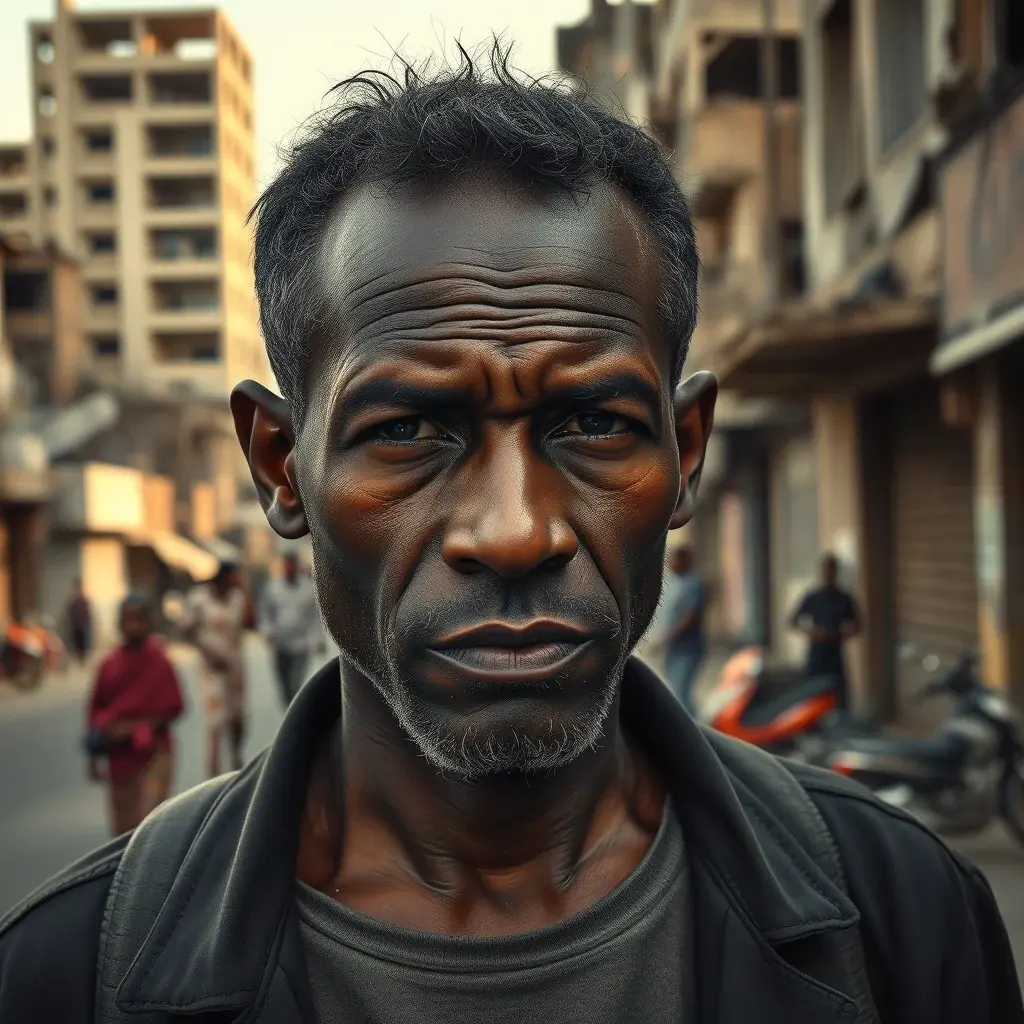
Thirty-four-year-old shopkeeper Yusuf Ali, once a child soldier in Mogadishu, Somalia, continues to battle the psychological aftermath of nearly two decades of conflict, highlighting a critical lack of resources for those suffering from the enduring trauma of war in a nation still grappling with instability.
Ali’s ordeal began in his mid-teens when the Union of Islamic Courts (UIC) seized power in 2006, bringing a semblance of order after years of clan warfare. This rise of political Islam on the continent, however, drew the suspicion of the United States, which accused the UIC of al-Qaeda ties. The UIC’s youth wing, known as al-Shabab, became a focal point of international concern.
In December 2006, a US-backed Ethiopian invasion aimed to topple the UIC. This intervention proved deeply unpopular within Somalia, igniting fierce resistance from al-Shabab and allied groups like the Muqawama, or “Resistance.” Ali, residing in the impoverished Huriwaa district of Mogadishu, was already familiar with the violence; his father had died in the “Battle of Mogadishu” in 1993 as a child.
The intensified fighting during the Ethiopian invasion profoundly affected Ali. He recalls the eerie buzzing of surveillance planes and the terror of shelling that struck his neighbourhood in early 2007. “On one of the nights, a large barrage of shells hit our area… I started hearing screams,” he recounts. Witnessing the death of a young girl his age amidst the rubble was a pivotal, traumatic moment.
His family fled to Elasha Biyaha, a refugee district. However, the call to defend their country against what was termed “Gaalo” (infidels) resonated strongly, fueled by mosque sermons. At 16, Ali joined the Muqawama, receiving training in small arms and engaging in hit-and-run tactics against Ethiopian and allied Somali forces in Mogadishu.
The urban combat was brutal. “Street by street, from windows and doorways, we were firing on Ethiopian soldiers and the Somali soldiers with them,” Ali states. He remembers the chilling realization that some enemy combatants were his age. “It was either killed or be killed – and this was a cause we were willing to die for.” He viewed Somalis fighting with the Ethiopians as traitors to their nation.
By 2009, as Mogadishu lay in ruins and international scrutiny mounted over alleged war crimes, Ethiopia withdrew its troops. The Islamist militants fractured, with some joining the interim government. Ali, questioning the war’s purpose and urged by his family, left for South Africa.
He spent five years in Johannesburg but returned to Mogadishu in 2014, driven out by xenophobic attacks targeting foreign-owned businesses. He found a city in physical reconstruction, with improved infrastructure. However, the political landscape remained volatile, with al-Shabab having evolved into a formidable hardline group controlling vast territories and operating a sophisticated spy network within the capital, orchestrating assassinations against government officials.
The pervasive atmosphere of distrust and fear left Ali feeling partly responsible for the prolonged suffering. “We fought to defend our country, people and religion but only made things worse on them all these years later,” he reflects.
Even now, as a husband and father, Ali is haunted by his past. He recognizes buildings where he fought and wonders if their current occupants are aware of the violence that once stained them. He has received no psychological support, a situation mirrored by other former child soldiers he knows who have succumbed to drug addiction.
“In Somalia, we don’t talk about our problems,” Ali explains. “I try to find peace through prayer. We pray and keep things to ourselves. This is the culture here and is the reason why many people are hurting but most don’t realise it.”
Ilyas Adam, a human rights consultant, confirms this widespread mental anguish. “The normalisation of violence in some areas means that trauma often goes unrecognised and untreated, making it a silent but pervasive crisis,” he states. He notes that cultural barriers prevent open discussion of mental health, exacerbating the issue, and that PTSD can be as debilitating as combat, leading to chronic mental health conditions, social exclusion, and a risk of re-recruitment.
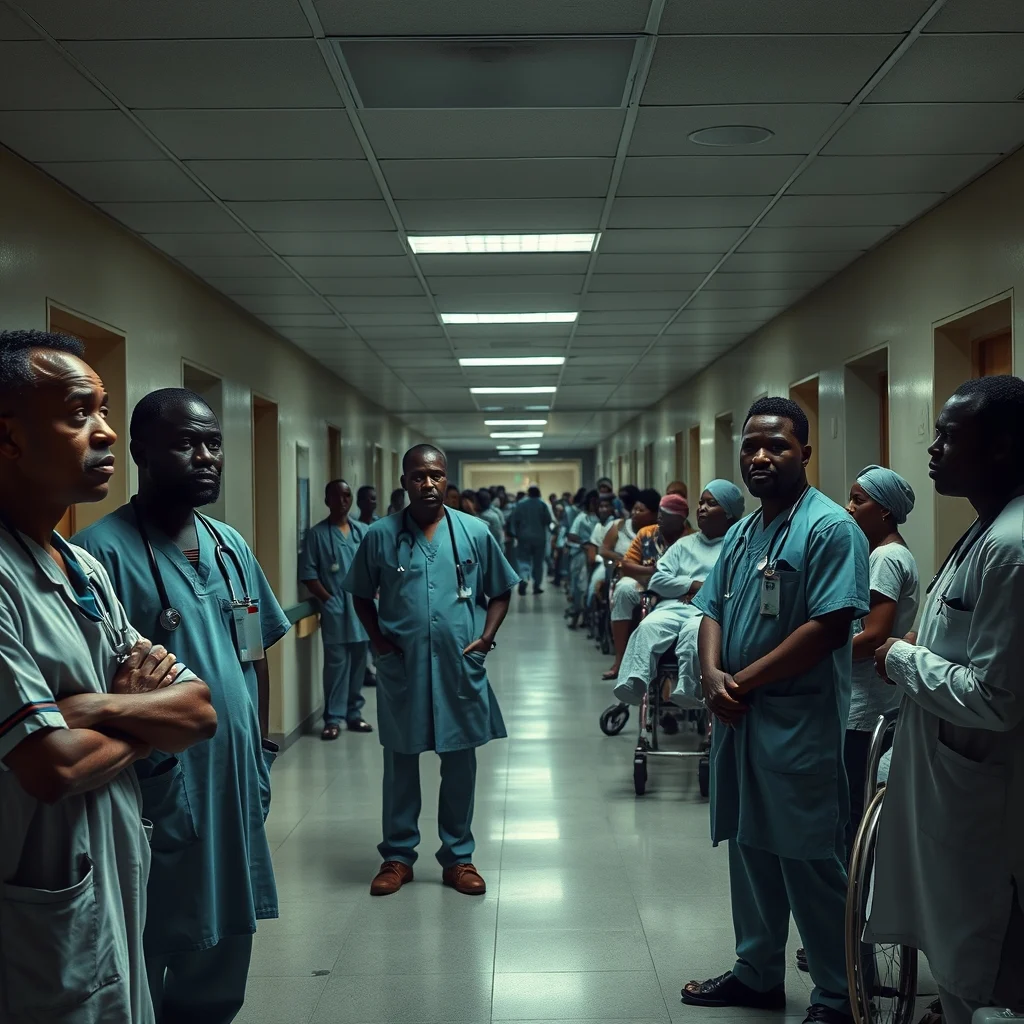
A 2021 World Health Organization report highlighted the dire state of mental health services in Somalia, with virtually no community-based support and a mere 82 mental health professionals for the entire country. Armed groups, primarily al-Shabab, continue to recruit children, with over 2,800 cases recorded by the UN between 2021 and 2024, though some government forces have also been implicated.
Mursal Khalif, an MP heading the Ministry of Defence’s Child Protection Unit, acknowledges the challenges in combating child recruitment, with some viewing such efforts as a “Western agenda.” However, he notes slow improvements, including vocational programs for former child soldiers.
Despite these efforts, areas like Huriwaa, where Ali now lives, lack state services and remain stigmatized. The ongoing conflict, including recent exchanges of gunfire in Mogadishu over election disputes, underscores the persistent instability. As Ali heads to his local mosque, a site of past trauma, he reflects on the “never-ending cycle of violence” that continues to plague Somalia, with international forces still deployed in the country decades after the initial interventions.

Leave a Reply