
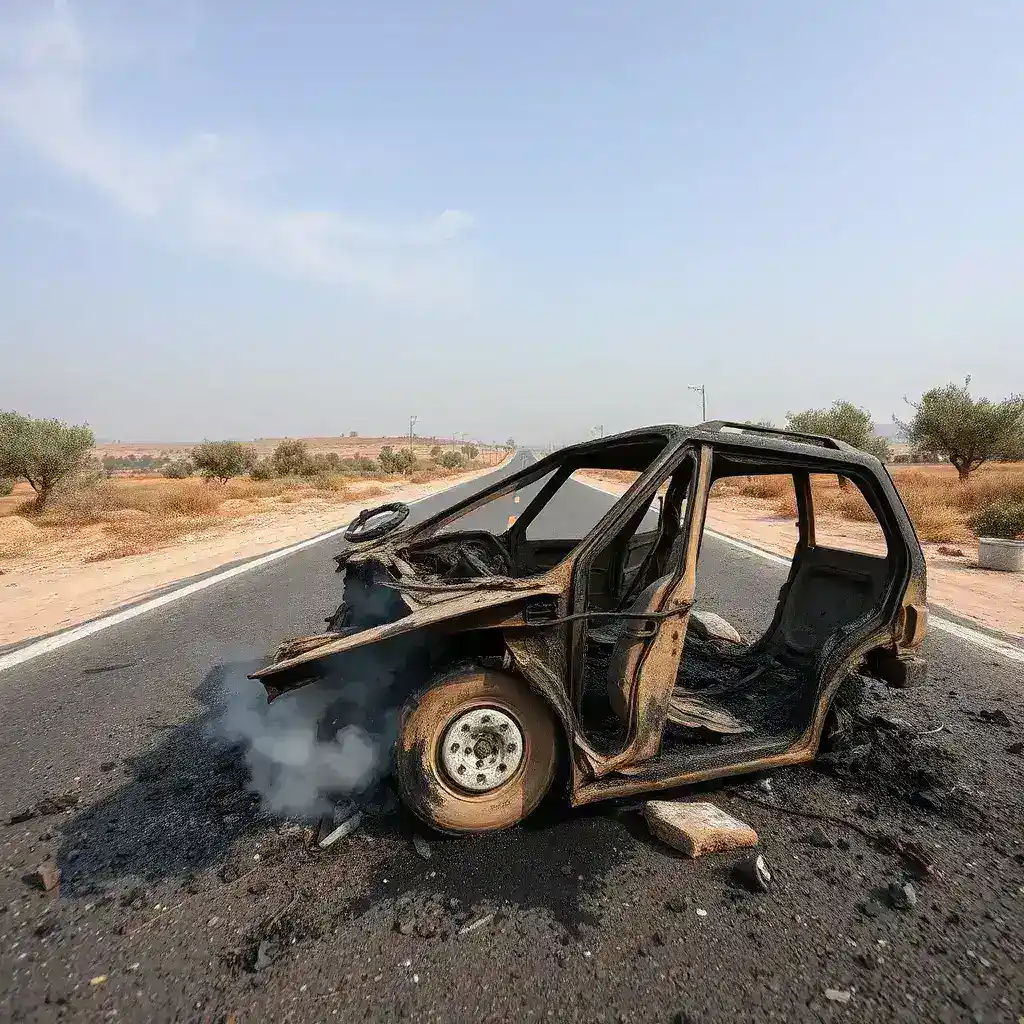
A Lebanese brigadier-general, a captain, and a private were killed on Saturday when the Israel Defense Forces (IDF) attacked a vehicle in southern Lebanon, prompting a furious reaction from the Lebanese Army and escalating tensions amid ongoing, albeit fragile, ceasefire negotiations. The IDF stated it is investigating the incident, claiming the vehicle was moving suspiciously towards its forces in an active combat zone where Hezbollah is known to operate.
Context of the Conflict
The attack occurred in southern Lebanon, an area that has been a primary theater for clashes between the IDF and Hezbollah since March. Hezbollah, an Iran-backed armed group, has been launching rocket and drone attacks into northern Israel from this region. The Lebanese Army, while not in direct conflict with Israel, is involved in talks aimed at securing a ceasefire.
The specific strike happened near the village of Kfar Tebnit, an area that has experienced intense fighting and displacement in recent months. The IDF maintains its operations are directed against Hezbollah, not the Lebanese Army, and that troop movements in such zones require coordination.
Lebanon’s Accusations and IDF’s Justification
The Lebanese Army vehemently condemned the strike, labeling it an “aggressive and barbaric” and “brutal, deliberate and repeated aggression.” They released images of the burnt-out car wreckage, identifying the victims as Brig Gen Samer Sabra, Cpt Elie Khoury, and Pte Hassan Ghazal.
Conversely, the IDF stated that the vehicle was observed moving suspiciously in an “active and evacuated combat zone.” The statement emphasized that forces operating in such areas must coordinate with the IDF and reiterated their focus on combating Hezbollah.
Ceasefire Efforts and Hezbollah’s Stance
The incident follows reports that Hezbollah leadership rejected a U.S.-backed ceasefire proposal. This proposed agreement reportedly stipulated that Israel would not target Hezbollah in Beirut if the group ceased attacks on Israel, and would create security zones in southern Lebanon where Hezbollah would be banned. Hezbollah leader Naim Qassem reportedly dismissed the talks as “futile.”
Lebanon’s government desires an end to the hostilities to enable its forces to disarm Hezbollah. However, Israel has previously expressed doubts about the Lebanese government’s capacity to do so.
Broader Geopolitical Landscape
The conflict in Lebanon is intertwined with broader geopolitical dynamics, including U.S. efforts to de-escalate tensions with Iran. Iran has linked any potential deal to end its conflict with the U.S. and Israel to a halt in the campaign against Hezbollah.
The current war escalated on March 2nd when Hezbollah launched rockets into Israel, reportedly in retaliation for an Israeli strike that killed Iran’s supreme leader. Israel responded with an air campaign across Lebanon and a ground invasion in the south. An initial ceasefire attempt on April 16th failed to stop the violence.
Humanitarian Impact and Casualty Figures
The conflict has had a significant human toll. According to Lebanon’s health ministry, at least 3,550 people have been killed since the war began, though these figures do not differentiate between combatants and civilians. Israel reports 26 soldiers and four civilians killed along its border.
Lebanese President Joseph Aoun recently expressed the nation’s weariness with the war, blaming Iran for the situation. This statement drew a sharp response from Iran’s foreign minister, who suggested the President should look to Israel as the true adversary.
Implications and Future Outlook
The lethal strike on the Lebanese Army vehicle represents a dangerous escalation, potentially undermining fragile ceasefire efforts and complicating the delicate geopolitical balance. The incident underscores the volatile nature of the conflict in southern Lebanon, where the lines between targeting Hezbollah and impacting state military forces remain perilously blurred.
Moving forward, observers will be watching closely to see if this attack leads to further retaliatory actions from either side, how it impacts ongoing diplomatic initiatives, and whether the Lebanese government can assert greater control over its territory and the armed groups operating within it. The ability of international actors to broker a lasting ceasefire remains a critical point of concern.





Leave a Reply