
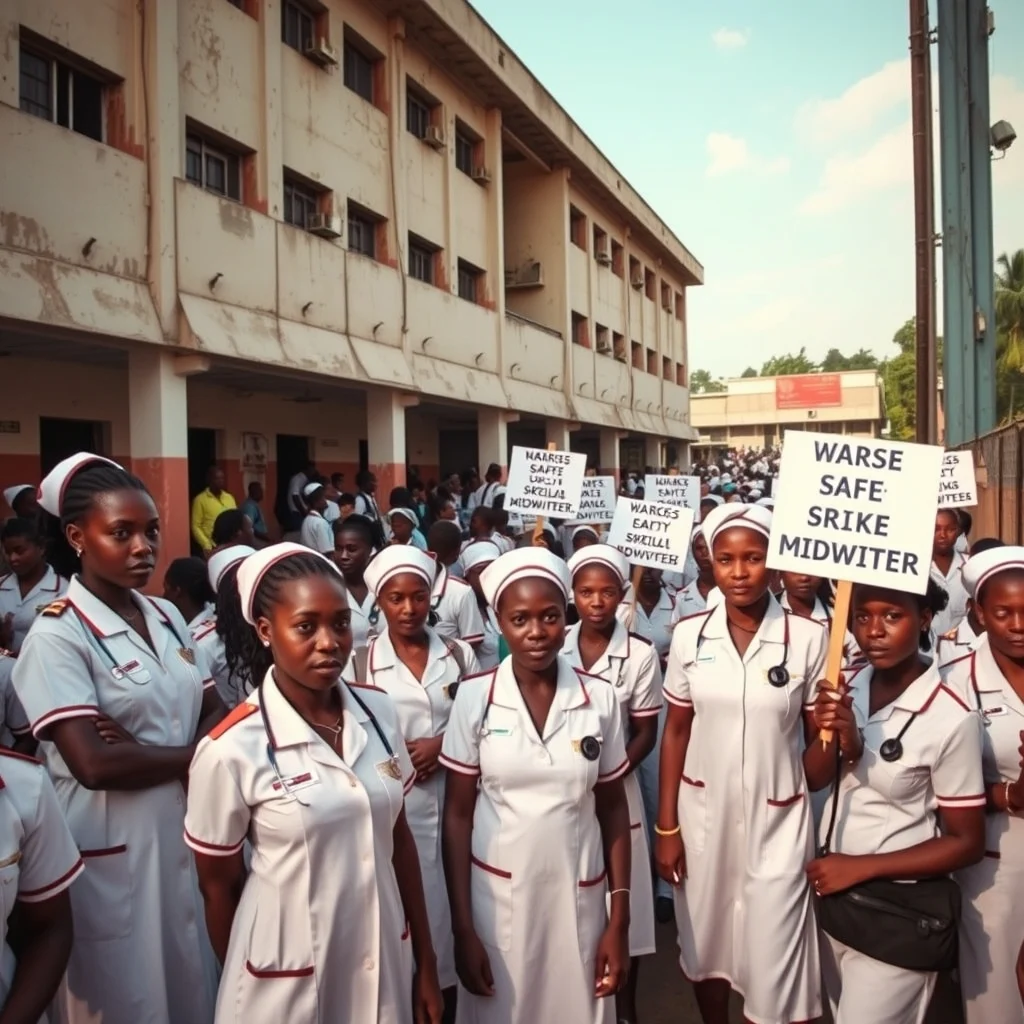
Nurses and midwives at the Komfo Anokye Teaching Hospital (KATH) in Kumasi, Ghana, have joined an ongoing industrial strike, escalating demands for the immediate reinstatement of the hospital’s suspended Chief Executive Officer, Dr. Paa Kwesi Baidoo. The Ghana Registered Nurses and Midwives Association (GRNMA) issued a statement on Saturday, June 6, condemning the two-week suspension by the Minister of Health as an “unnecessary” distraction from critical systemic issues affecting the hospital.
Deepening Industrial Crisis at KATH
The GRNMA’s decision to join the strike, effective Sunday, June 7, significantly amplifies the pressure on the Ministry of Health. This move follows earlier industrial action by other healthcare professional groups, creating a widening crisis at one of Ghana’s premier teaching hospitals.
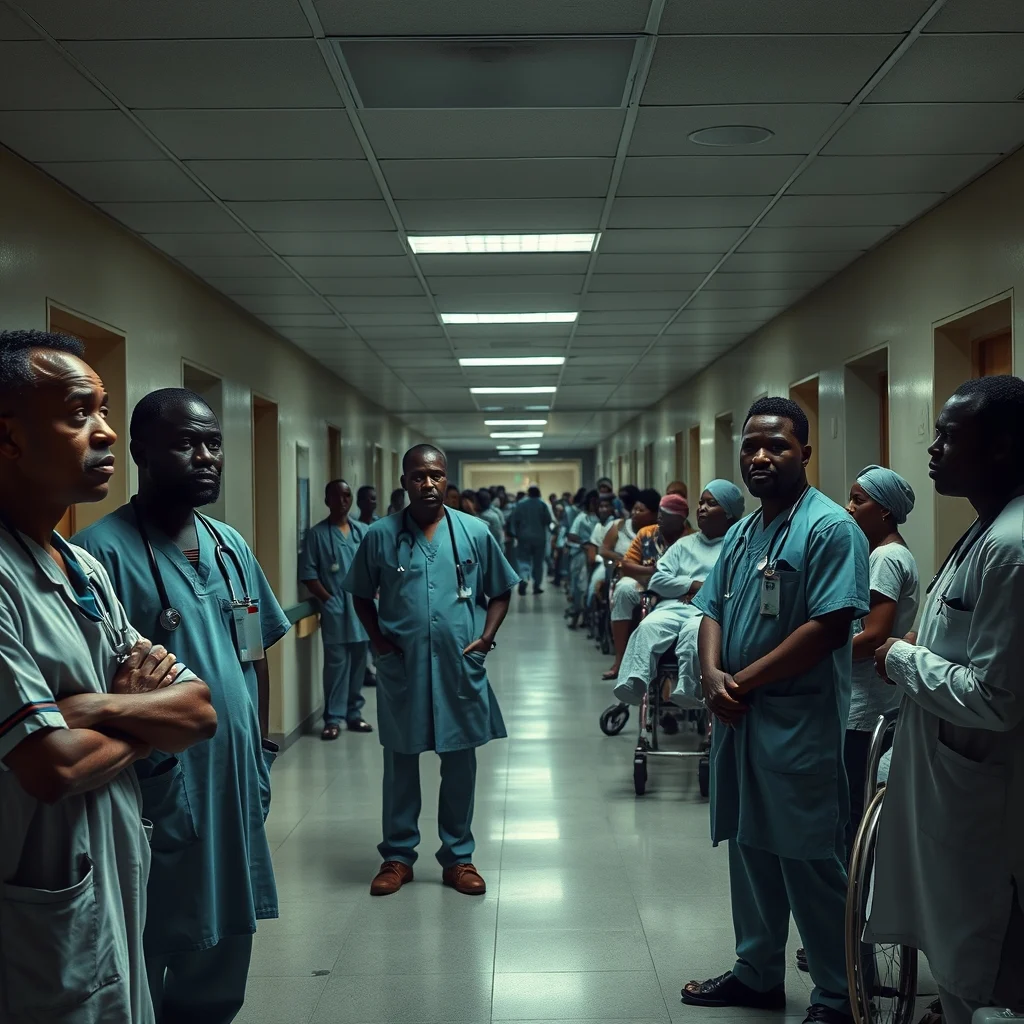
In their statement, the GRNMA argued that the suspension of Dr. Baidoo fails to address the fundamental challenges plaguing KATH. These include severe infrastructural deficits, chronic patient congestion, inadequate medical logistics, and persistent resource constraints that hamper daily operations.
“The two-week suspension of the Chief Executive Officer is unnecessary and is definitely not the solution to the enormous pressure, infrastructural challenges, congestion, inadequate logistics, and resource constraints confronting the hospital on a daily basis,” the association declared.
Nurses’ Demands and Warnings
The GRNMA issued a clear ultimatum, warning that their members would join the strike if the Minister of Health did not reverse the suspension directive. “We wish to state categorically that effective 8:00 am 7th June 2026, Nurses and Midwives at KATH will join the strike if the directive from the Honourable Minister for Health is not reversed,” the statement read.
The association emphasized that patient safety and the delivery of quality healthcare are being compromised by the ongoing disruptions. They asserted that suspending the CEO does not resolve the deep-rooted systemic issues that require urgent government intervention.
The GRNMA called upon the Ministry of Health to expedite the operationalization of long-delayed health facilities. These new facilities are seen as crucial for decongesting KATH and alleviating the strain on existing infrastructure.
Furthermore, the association urged the government to prioritize essential upgrades, including the retooling of medical equipment, infrastructural expansion projects, and improved allocation of financial and material resources to the hospital.
Call for CEO Reinstatement
A key demand from the nurses and midwives is the immediate withdrawal of the CEO’s suspension. They believe Dr. Baidoo should be allowed to continue his work to help manage operational pressures and provide much-needed support to overstretched health workers, particularly those in the critical emergency department.
The GRNMA appealed to the KATH Board to intervene in the escalating industrial dispute. Their aim is to prevent further disruption to healthcare services that affect thousands of patients reliant on the hospital.
Broader Implications for Healthcare
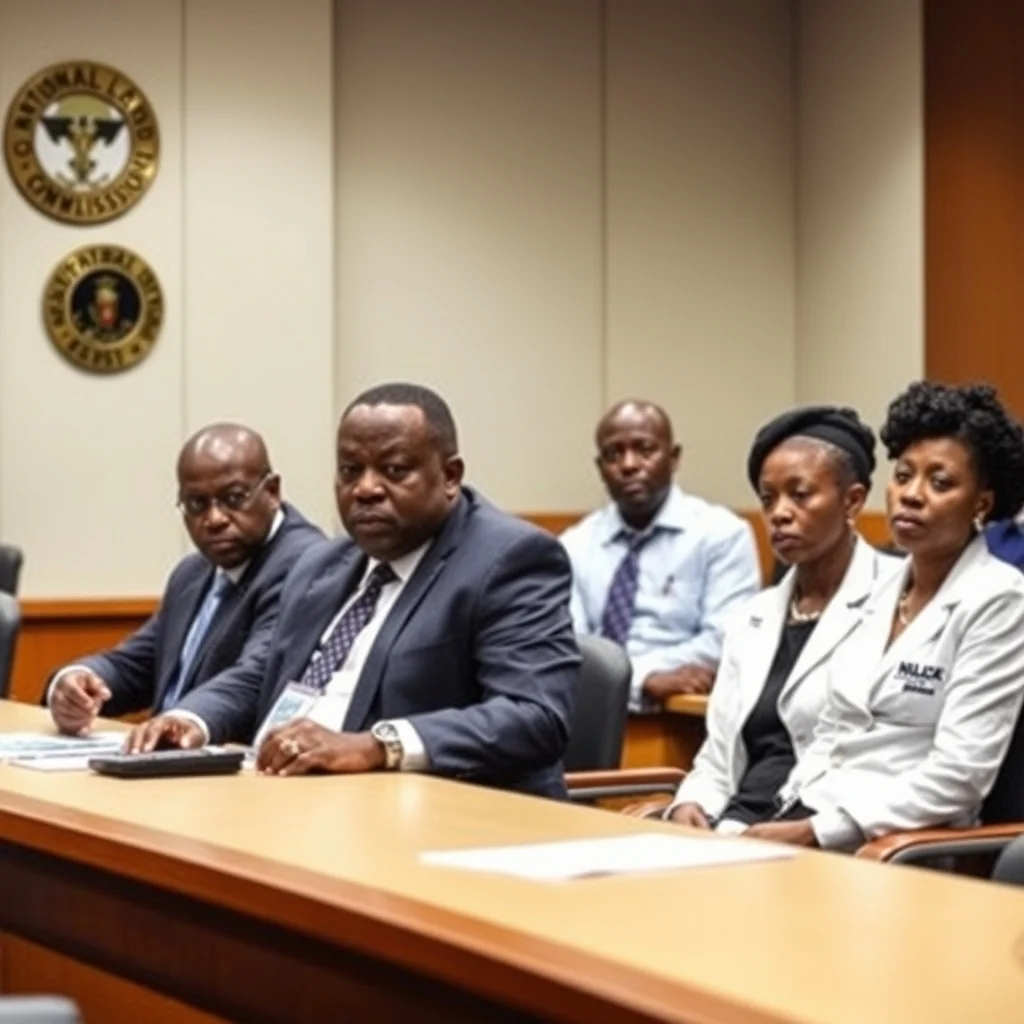
The involvement of nurses and midwives in the strike deepens the industrial crisis at KATH, following an order from the National Labour Commission for doctors to end a separate strike. This collective action highlights widespread dissatisfaction among healthcare professionals regarding the management and resource allocation within Ghana’s health sector.
The situation at KATH serves as a microcosm of broader challenges facing public healthcare facilities in Ghana. Issues such as underfunding, inadequate infrastructure, and a lack of essential medical supplies have been persistent concerns.
The GRNMA’s stance underscores a growing sentiment that administrative changes, like CEO suspensions, are insufficient without addressing the underlying systemic problems. The focus of healthcare workers is shifting towards demands for tangible improvements in infrastructure, equipment, and resource allocation.
The coming days will be critical in determining whether the Minister of Health will heed the GRNMA’s call for the CEO’s reinstatement and address the systemic issues raised. The potential for prolonged disruption at KATH remains high if a resolution is not reached promptly, impacting patient care significantly.
Attention will be on the Ministry of Health’s response and the actions of the KATH Board as they navigate this escalating industrial action. The outcome could set a precedent for how similar grievances are handled in other public healthcare institutions across the country.




Leave a Reply