
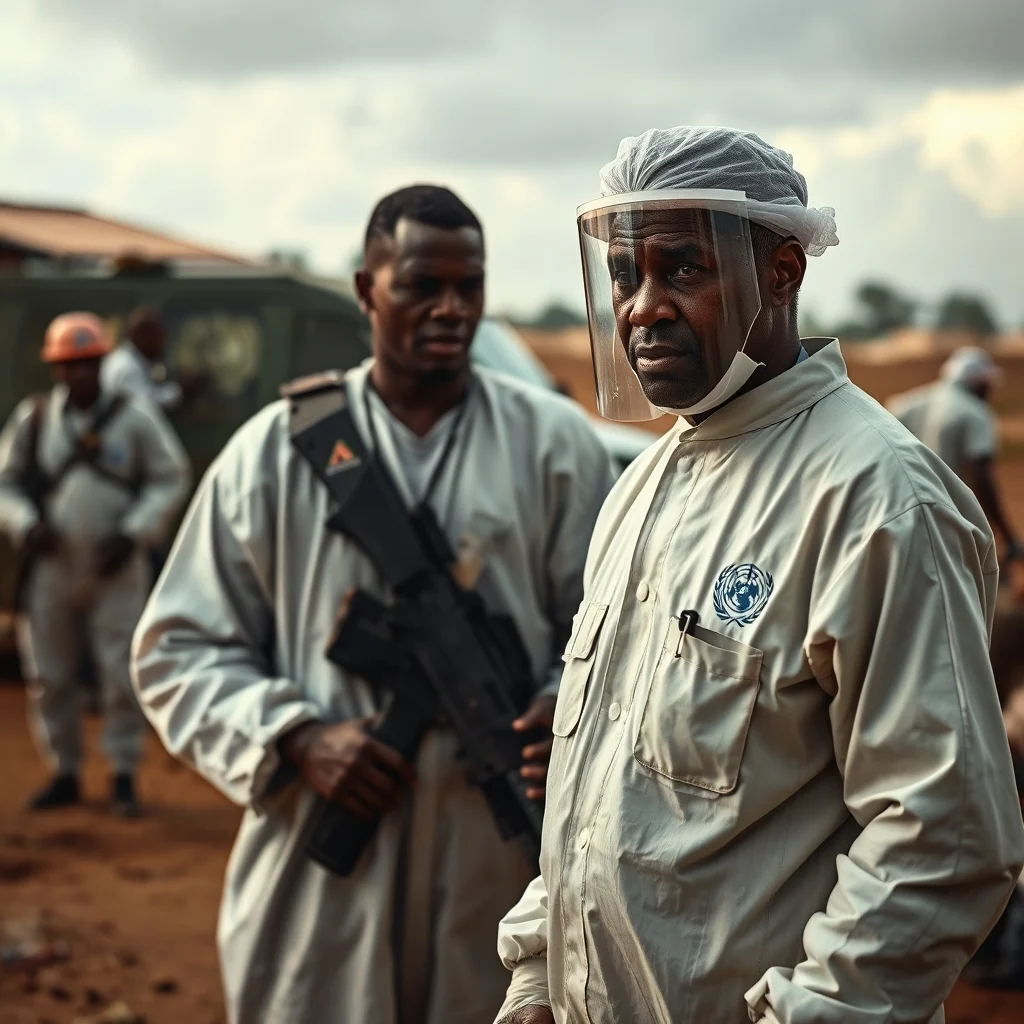
The World Health Organization (WHO) announced a significant $518 million, six-month joint plan on Friday to combat the escalating Ebola outbreak, urging for immediate funding and political commitment to contain the spread of the disease, which has become the fourth-largest on record.
Context of the Outbreak
The comprehensive strategy, developed in collaboration with the Africa Centres for Disease Control and Prevention (Africa CDC), aims to bolster containment efforts in the Democratic Republic of Congo (DRC) and neighboring Uganda. It also includes measures to enhance preparedness in other nations facing potential spillover risks.
WHO Director-General Tedros Adhanom Ghebreyesus described the situation as critical, stating, “The outbreak is moving fast and we are still playing catch-up.” He emphasized that effective Ebola containment hinges on “political commitment, sustained finances and trust in engaging the communities.”
Challenges Hampering Response
The Africa CDC revealed that the current epidemic went undetected for weeks, leaving health authorities significantly behind in their response efforts. As of the latest reports, the DRC has confirmed 381 cases with 62 deaths, while Uganda has recorded 19 cases and two fatalities.
Compounding the challenge is the involvement of the rare Bundibugyo strain of Ebola, for which no approved treatment or vaccine currently exists. “This outbreak is very serious. If you compare with previous Bundibugyo outbreaks, this is the most serious Bundibugyo outbreak we have,” stated Africa CDC Director-General Jean Kaseya.
Financial support has also faced setbacks. Donors have pledged $315.8 million, a reduction from an initial $498 million, as some figures were reportedly “corrected.” The outbreak was officially declared by the Africa CDC on May 15th and subsequently designated a public health emergency of international concern by the WHO.
Diagnostic difficulties have further complicated the response. Commonly used Ebola tests initially failed to detect the Bundibugyo strain, leading to significant delays in obtaining accurate results. “It’s taking several days to a week or more. And that’s frustrating,” commented Franklin Graham, president of Samaritan’s Purse, an aid group operating in the DRC’s Ituri province.
Mistrust and resistance within affected communities have also presented substantial hurdles. Reports of attacks on burial teams and treatment centers highlight the security risks faced by responders. In response to these security concerns, the WHO recently received three armored vehicles from the UN peacekeeping mission in Congo.
Implications and Future Outlook
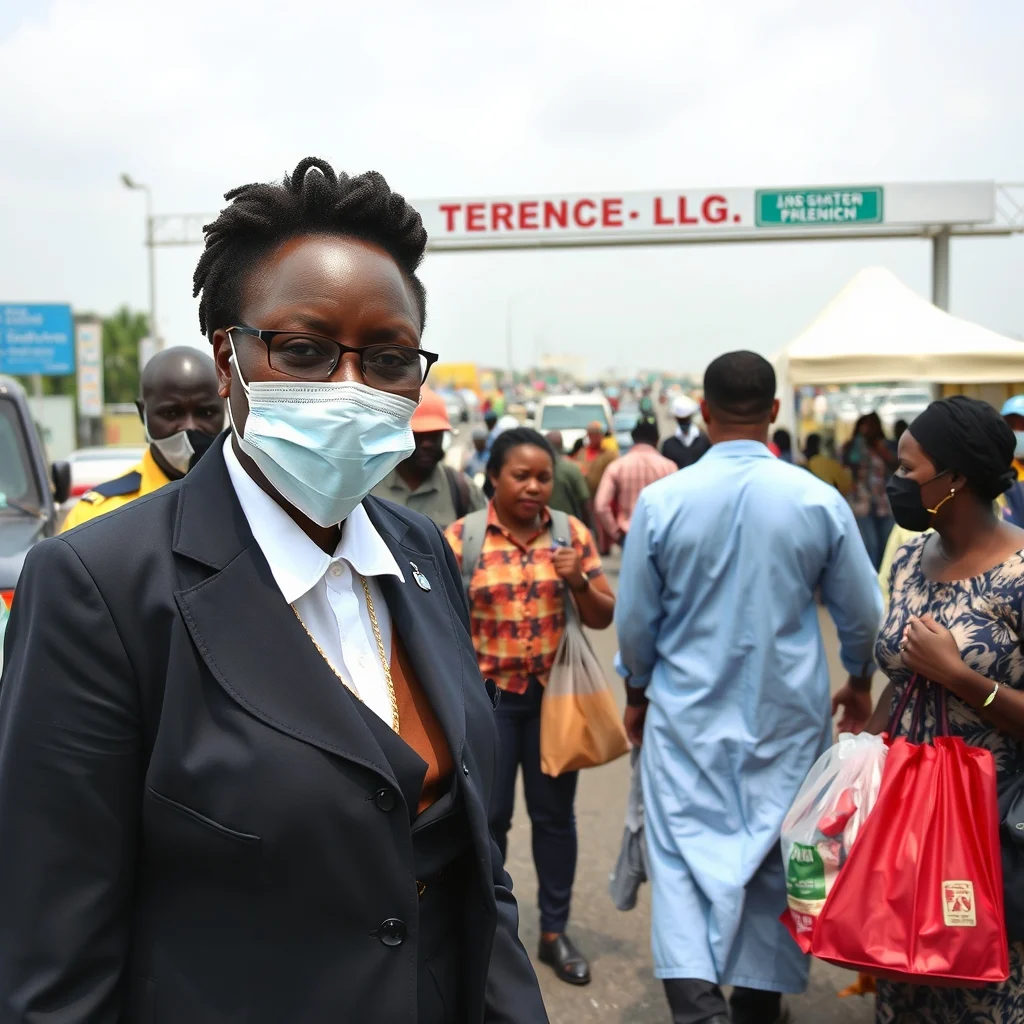
The substantial financial commitment and coordinated strategy signal a critical juncture in the fight against this particular Ebola outbreak. The focus on community engagement and enhanced border screening suggests a multi-pronged approach to not only treat existing cases but also prevent further spread.
The challenges related to diagnostics and community trust underscore the need for innovative solutions and sustained international cooperation. The success of this $518 million plan will depend heavily on the swift mobilization of funds and the establishment of strong relationships with local populations. Observers will be watching closely to see if these measures can effectively outpace the virus’s rapid spread and prevent a wider regional crisis.







Leave a Reply