
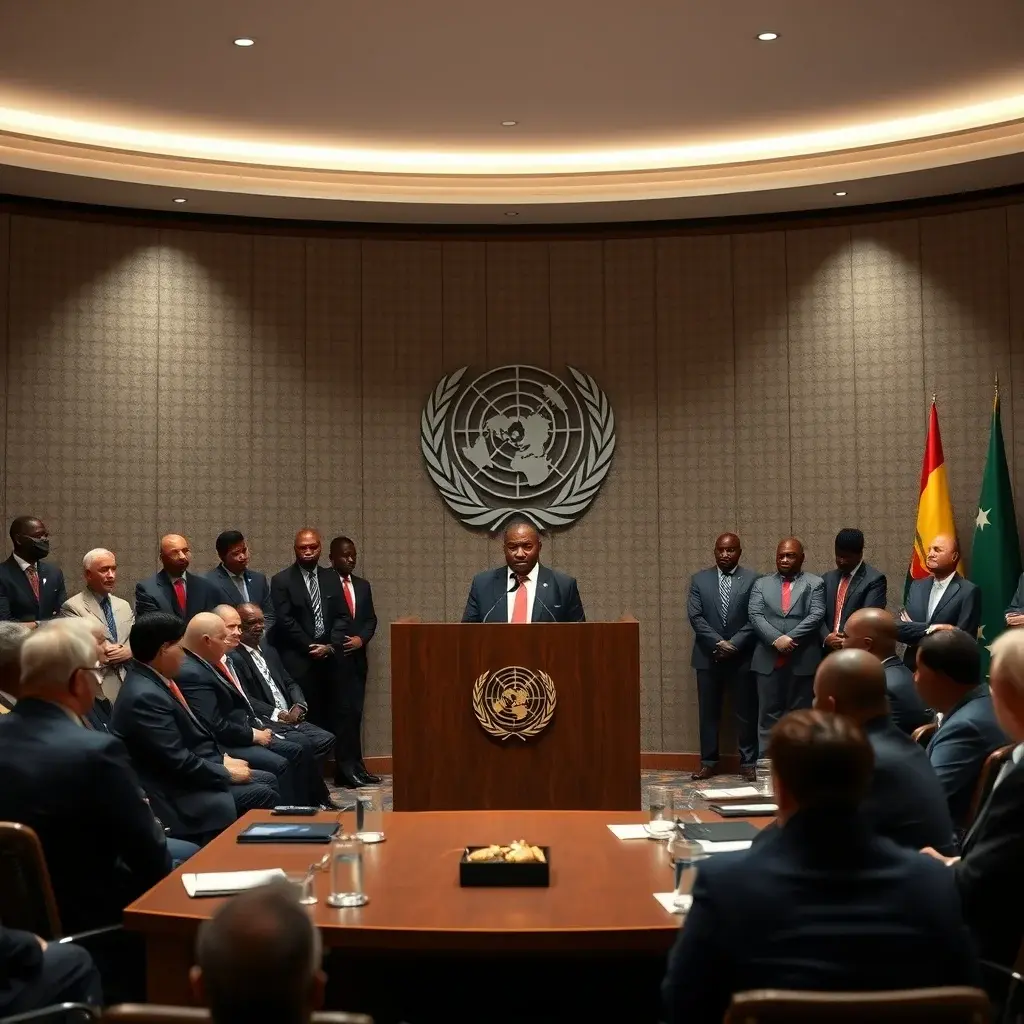
Ghana’s Minister for Foreign Affairs, Samuel Okudzeto Ablakwa, has clarified that the nation’s recent United Nations resolution on reparatory justice is fundamentally aimed at securing restitution and healing, including the return of stolen artefacts, rather than mobilizing funds for Africa’s development. The statement was made during a recent engagement with members of the diplomatic corps in Accra, following the resolution’s adoption.
Addressing Historical Injustices
Dubbed “Resolution 2.0” by proponents, Ghana’s initiative specifically targets the enduring legacies of the Trans-Atlantic Slave Trade. The core emphasis is on achieving justice and accountability for the historical injustices and their impact on affected communities.
Minister Ablakwa stressed that Ghana’s position is rooted in the principle of accountability from those responsible for historical wrongs. He reiterated that the call is for tangible restitution and a process of healing, not for financial aid or development funding.
Diplomatic Engagement and Support
The engagement with the diplomatic corps provided a platform for in-depth discussions on the path forward after the resolution’s adoption. Several ambassadors present commended Ghana for its proactive stance in garnering global support for the initiative.
Representatives from countries that voted in favour of the resolution shared their motivations for backing the initiative. Similarly, nations that abstained from the vote explained their reasoning during the meeting.
Ghana’s Roadmap and International Collaboration
Minister Ablakwa outlined Ghana’s strategic roadmap designed to advance the resolution and broaden its international support base. He highlighted specific steps planned to deepen global engagement on the issue.
Notably, Ghana received assurances of collaboration from the European bloc. The European Union has expressed its readiness to partner with Ghana in pursuing the objectives laid out in the resolution.
Promoting Dignity and Justice
The overarching goal of Ghana’s initiative, as emphasized by the Minister, is to promote human dignity, foster mutual respect, and ensure justice for victims of historical injustices. This underscores the resolution’s commitment to addressing past wrongs in a comprehensive manner.
Perspectives from the diplomatic community were also shared, including insights from Roey Gilad, the Ambassador of Israel to Ghana, Liberia, and Sierra Leone, adding diverse viewpoints to the discussion on reparatory justice.
Future Implications and Next Steps
The implications of Ghana’s UN resolution extend beyond mere symbolic gestures. The focus on restitution and healing signals a potential shift in international discourse on historical accountability, moving towards concrete actions for redress. What remains to be seen is how effectively Ghana can translate this diplomatic success into tangible outcomes, particularly in securing the return of artefacts and initiating meaningful dialogue on restitution. The coming months will be crucial in observing the implementation of Ghana’s roadmap and the extent of continued international cooperation, especially from the European Union, in addressing the deep-seated consequences of the Trans-Atlantic Slave Trade.









Leave a Reply