
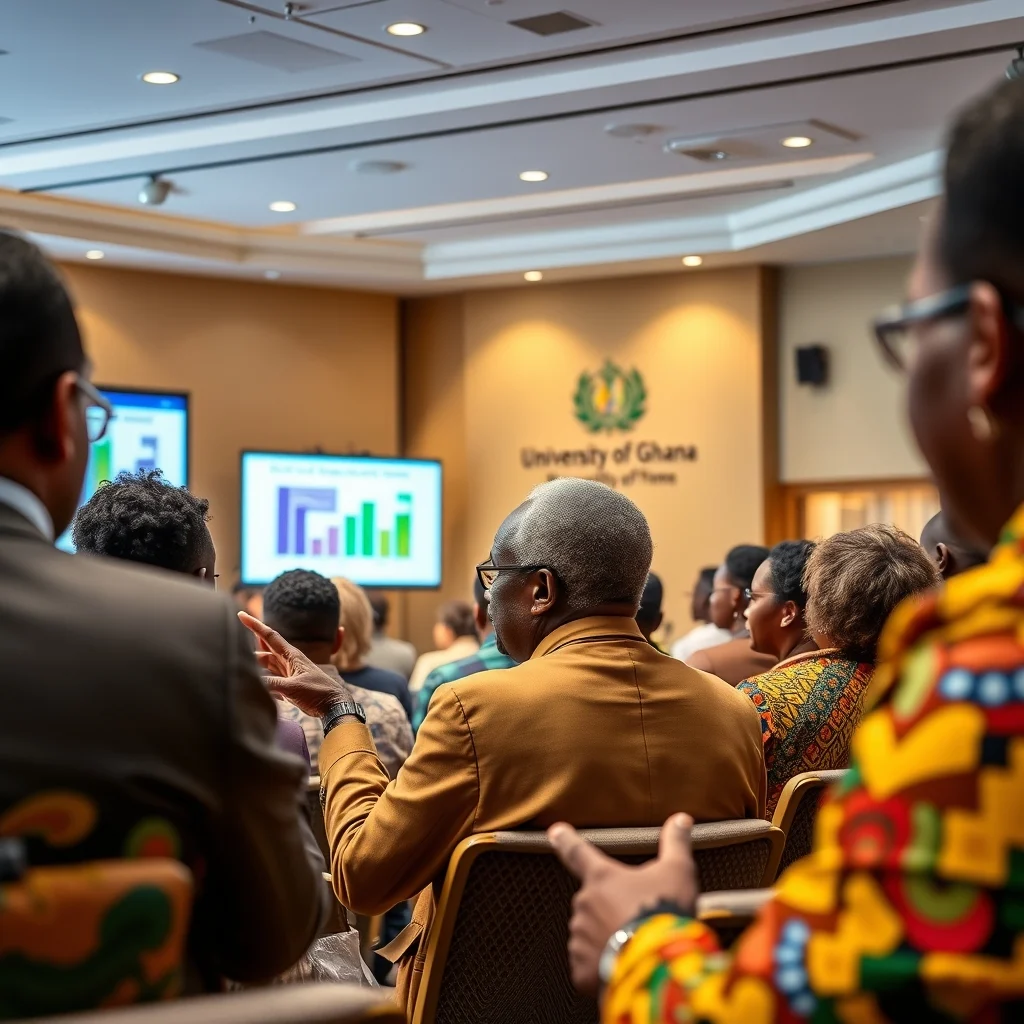
Accra, Ghana – The University of Ghana has officially launched the Africa Regional Collaborative for Agriculture, Nutrition and Health (ANH-ARC) on its campus, establishing itself as a pivotal center for research and policy dialogue aimed at transforming the continent’s food systems. This new initiative seeks to address the critical disconnect between food production and public health, tackling rising rates of nutrition-related diseases.
Context: The Interconnectedness of Food, Nutrition, and Health
Agriculture is a cornerstone of many African economies, yet millions still grapple with inadequate access to affordable, nutritious food. This persistent challenge is exacerbated by a confluence of factors including rising food prices, the escalating impacts of climate change, rapid urbanization, and the complex burden of multiple forms of malnutrition. These issues highlight a significant gap where agriculture, nutrition, and health sectors often operate independently, hindering comprehensive solutions.
The ANH-ARC is positioned as the African hub of the global ANH Academy Science–Policy Platform. It is a collaborative effort co-led by three prominent African institutions: the University of Ghana, the Policy Studies Institute in Ethiopia, and Stellenbosch University in South Africa. This network connects African researchers, practitioners, and policymakers with a global community of over 13,000 professionals dedicated to strengthening the influence of evidence in shaping food systems, nutrition, and health outcomes.
Bridging the Science-Policy Divide
During the launch event, Professor Felix Asante, Pro Vice-Chancellor for Research, Innovation and Development at the University of Ghana, emphasized the institution’s dedication to policy-relevant research for African development. He described the ANH-ARC as a crucial step towards a more coordinated and African-led approach to food systems transformation.










Leave a Reply