
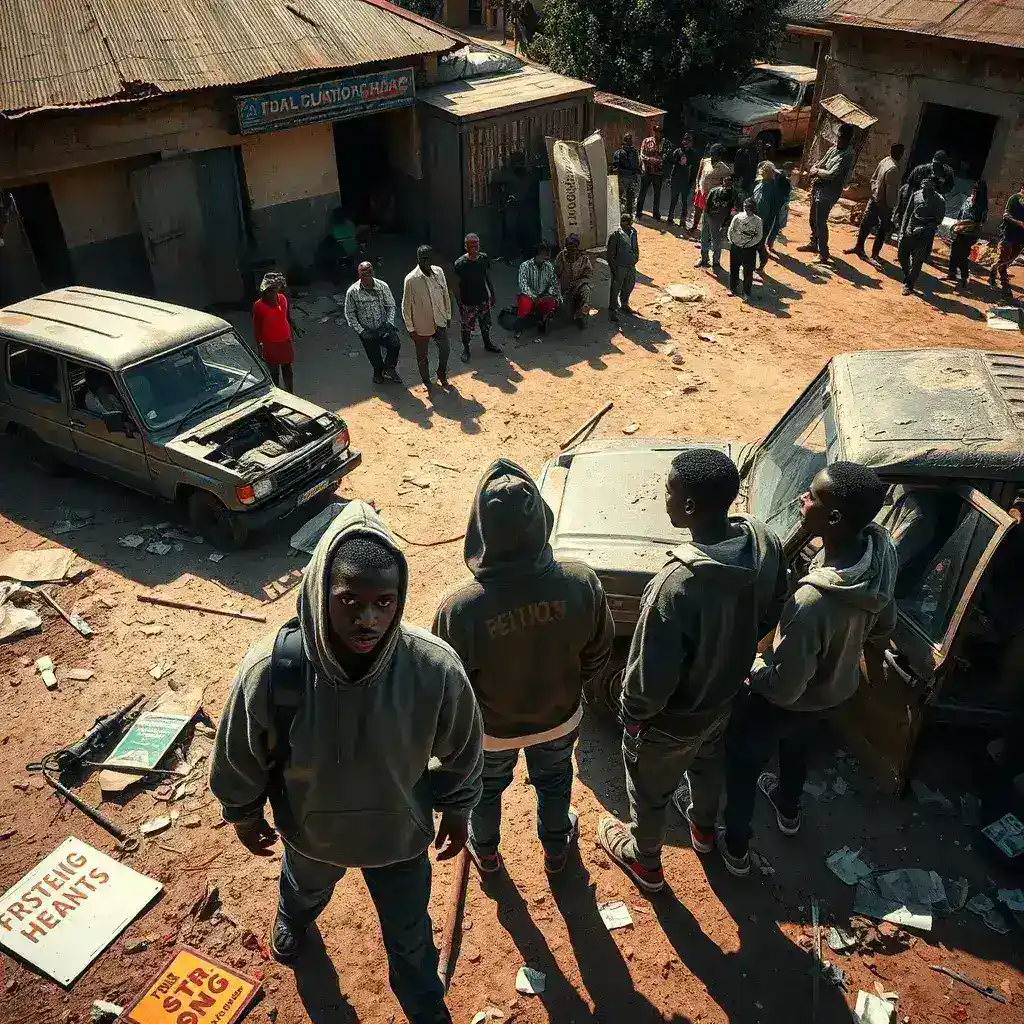
Nairobi, Kenya – A brazen daylight assault on Senator Godfrey Osotsi in Kisumu last month has amplified fears that Kenya is regressing towards an era of politically motivated violence. The attack, captured on CCTV and allegedly linked to supporters questioning the senator’s political allegiance, has forced a parliamentary summoning of top security chiefs to address the growing menace of ‘goons and guns’ ahead of next year’s general elections.
Historical Context of Politically Sponsored Gangs
Kenya’s struggle with politically sponsored criminal gangs is not new, tracing its roots to the reintroduction of multiparty democracy in the early 1990s. Unemployed youth have historically been recruited by politicians to serve as instruments of electoral intimidation and violence. This phenomenon was a significant factor in the post-election violence of 2007, which resulted in approximately 1,500 fatalities. The current political climate, marked by the emergence of former Deputy President Rigathi Gachagua as a presidential contender following his impeachment and internal party divisions, is exacerbating these long-standing tensions.
Escalating Brazenness and Government Response
The attacks by hired youths, locally known as ‘goons,’ are becoming increasingly brazen. Interior Minister Kipchumba Murkomen acknowledged to a parliamentary committee that the government faces significant challenges in containing these groups, which have evolved from street-level outfits into “sophisticated and decentralized networks.” Murkomen revealed that over 104 local criminal gangs are active, many allegedly operating under the patronage of politicians. “The gangs are owned by political leaders who play a significant role in mobilizing people. It is chaotic. An irresponsible leader is a threat to national security,” he stated, without naming specific individuals.
In response, authorities have intensified a crackdown, arresting at least 300 suspects and recovering weapons and communication devices. However, no politicians have been apprehended in connection with these operations. Despite repeated attempts by successive governments to ban such groups, they persist, often rebranding and reappearing under new monikers with each electoral cycle. A security source described these gangs as having developed into well-structured organizations.
Targeting of Politicians and Accusations of Collusion
Former Deputy President Rigathi Gachagua has reportedly been a frequent target, facing numerous attacks by armed groups since his impeachment. His allies attribute these incidents to state-sponsored criminal networks aiming to sabotage his presidential ambitions. Opposition leaders and civil society groups have long accused the police of either complicity or deliberate inaction against organized gangs that disrupt political rallies, often with crude weapons, and sometimes in the presence of law enforcement. The death of veteran politician Raila Odinga last October has further destabilized the political landscape, leading to a split within his ODM party and heightened tensions during rallies.
A 28-year-old man was killed in February during clashes between police and supporters of an anti-Ruto faction, prompting condemnation of alleged










Leave a Reply