
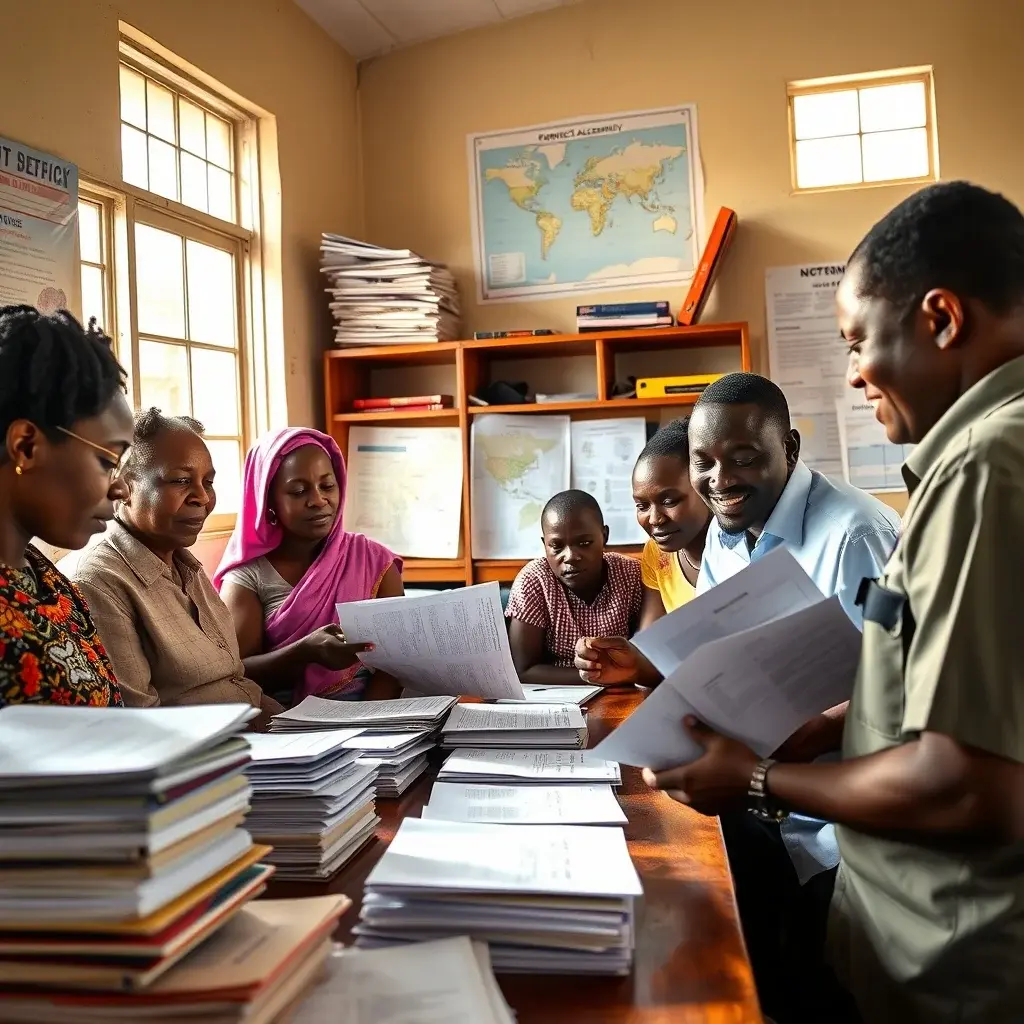
The Centre for Climate Change and Food Security (CCCFS) has lauded the Environmental Protection Authority (EPA) Ghana for publicly releasing 233 Environmental Impact Assessment (EIA) reports, marking a significant advancement in transparency and accountability within Ghana’s environmental governance framework. This action addresses long-standing demands from civil society, researchers, journalists, and affected communities for greater openness in environmental decision-making processes.
Context of Environmental Impact Assessments
Environmental Impact Assessment reports are crucial documents that evaluate the potential effects of large-scale projects, such as mining operations, infrastructure development, industrial expansions, and energy projects, on local communities, ecosystems, and public health. These assessments are designed to identify potential environmental risks and propose mitigation strategies before a project commences.
A Step Towards Accountable Development
In a statement released by Dr. Aaron Albert Aryeee, Senior Research Fellow and Senior Technical Advisor at CCCFS, the organization highlighted that the publication of these 233 EIA reports signifies a growing responsiveness from the EPA to public calls for transparency. The CCCFS emphasized that such disclosures are fundamental to ensuring that development initiatives do not compromise environmental sustainability or the well-being of communities.
“Development must never come at the cost of environmental destruction, community displacement, unsafe water sources, loss of livelihoods, or irreversible climate consequences,” the statement read, underscoring the organization’s commitment to sustainable development principles.
Making these reports publicly accessible strengthens trust between the public and regulatory bodies. It empowers citizens to better understand how proposed projects might affect their land, water sources, air quality, and overall livelihoods. The CCCFS stated that communities have a right to this information, especially when their immediate environment is at stake.
Beyond Transparency: Participation and Accountability
The benefits of accessible EIA reports extend beyond mere transparency. They are vital for enabling meaningful public participation in environmental governance. When citizens have access to the evidence and assessments that inform decisions, they can engage more effectively, advocate for their interests, and hold both developers and authorities accountable.
“People cannot engage effectively in environmental governance if they are denied access to the evidence and assessments that shape decisions,” the CCCFS pointed out. This open access can also proactively address potential conflicts between communities, corporations, and government agencies by identifying and resolving concerns early in the project lifecycle.
Call for Deeper Access at the District Level
While commending the EPA for the publication, the CCCFS urged for enhanced accessibility, particularly at the district level. The organization stressed that online publication alone is insufficient and must be complemented by localized access to ensure inclusivity.
“Copies should be made accessible at district assemblies to ensure that communities directly impacted by these projects can fully understand their implications and the proposed mitigation measures,” the CCCFS recommended. This localized approach is crucial for reaching individuals, especially those with limited English proficiency, enabling them to engage more effectively in their own languages.
Independent Review and Future Actions
The CCCFS announced its intention to conduct an independent review of the published EIA reports. Their analysis will focus on critical areas including water resource protection, land degradation, biodiversity conservation, pollution risks, climate vulnerability, and the impact on food systems.
“Where necessary, we shall raise concerns, provide recommendations, and advocate for corrective measures in the public interest,” the organization committed. They also encouraged other stakeholders, including civil society groups, traditional leaders, journalists, and researchers, to actively scrutinize these reports.
Institutionalizing Openness
The CCCFS urged EPA Ghana to institutionalize the regular publication of EIA reports as a standard operating procedure. They view the recent publication as the beginning of a broader shift towards environmental openness in Ghana, not a one-off event.
“This action should mark the beginning of a stronger national culture of environmental openness, not the end of one,” the Centre stated. CCCFS reiterated its dedication to promoting climate justice, food security, and accountable governance, emphasizing that Ghana’s future prosperity hinges on development models that safeguard both its people and its environment.
Looking Ahead
The move by EPA Ghana sets a precedent for increased environmental transparency. The focus will now shift to how effectively these reports are utilized by communities and civil society for advocacy and oversight, and whether the EPA and relevant ministries implement the findings and mitigation measures outlined in the assessments. The success of this initiative will be measured by tangible improvements in environmental protection and community well-being, driven by informed public participation and robust institutional accountability.









Leave a Reply