
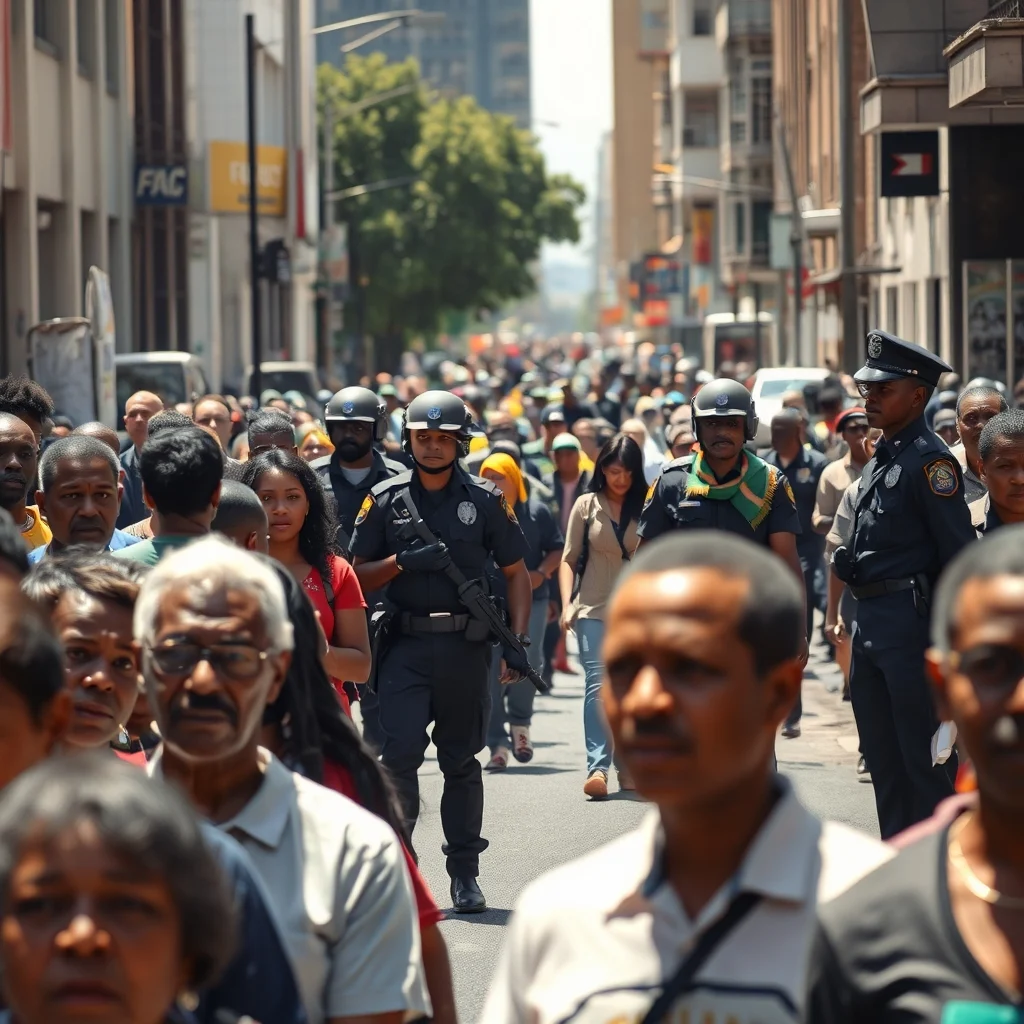
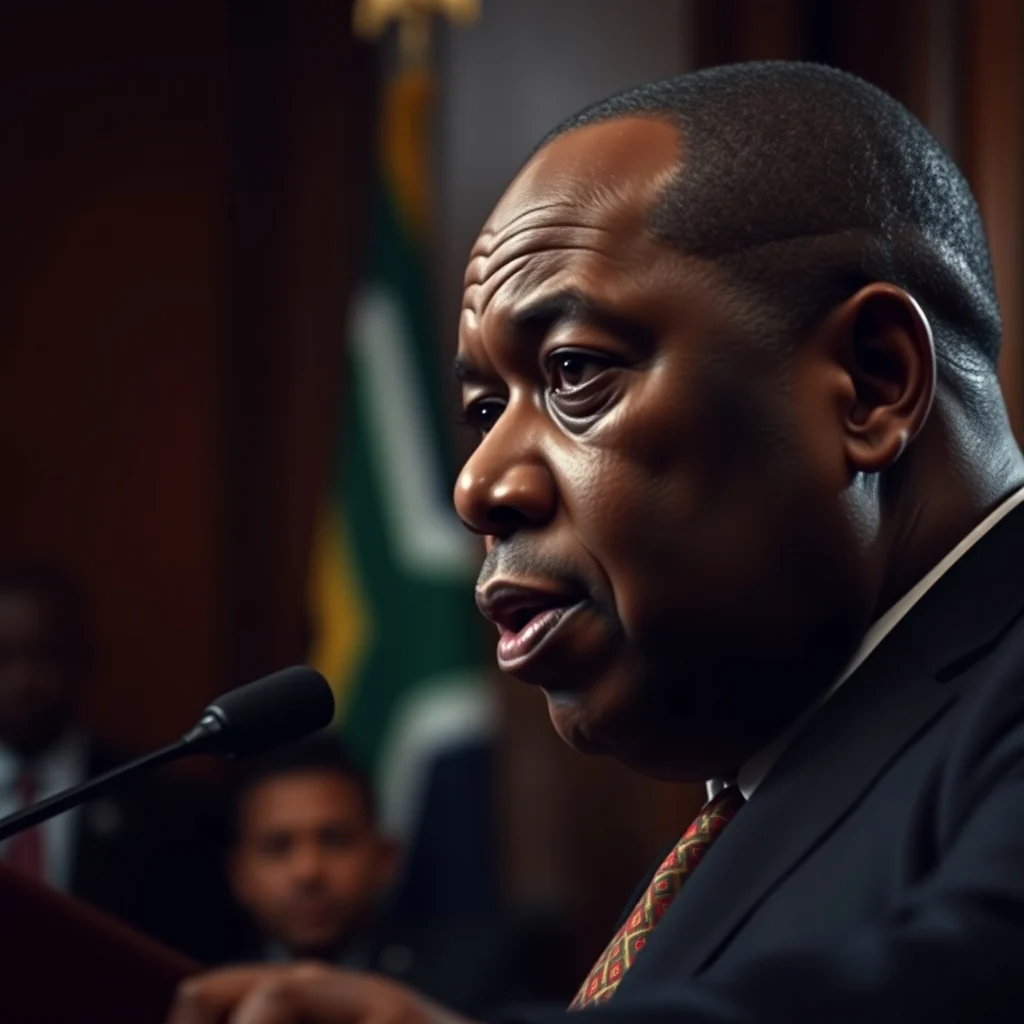
South African President Cyril Ramaphosa has issued a stern warning against the recent wave of violent protests and criminal acts targeting foreign nationals, declaring that such actions will not be tolerated under any circumstances. The President’s statement, delivered via an open letter on May 11, unequivocally condemned the violence, emphasizing that it does not represent the views or policies of the South African government or its people.
Context of Rising Tensions
The recent unrest highlights a complex interplay of social, economic, and political factors in South Africa. For years, the nation has grappled with issues of poverty, unemployment, and inequality, which have often been exacerbated by the influx of foreign nationals seeking better opportunities.
President Ramaphosa acknowledged these underlying frustrations, describing the attacks as the work of opportunists who exploit genuine community concerns under the guise of activism. He pointed to instances where individuals have taken it upon themselves to act as law enforcement, demanding identification and searching private properties, which he deemed as illegal and unacceptable lawlessness.
Addressing Illegal Immigration and Exploitation
While firmly denouncing xenophobia, President Ramaphosa did not shy away from acknowledging the growing concerns surrounding illegal immigration. He admitted that undocumented migration is placing significant pressure on essential services like healthcare, housing, and municipal infrastructure, particularly in impoverished communities.
Furthermore, the President highlighted the issue of employers exploiting undocumented foreign workers by offering them substandard wages, which undermines legal labor conditions and fuels social tensions. This practice not only violates workers’ rights but also creates a competitive disadvantage for South African citizens seeking employment.
Government’s Response and Enforcement Measures
In response to these challenges, the South African government is implementing a multi-pronged strategy. The Border Management Authority (BMA) and the Defence Force are reportedly strengthening border security to combat illicit cross-border activities. The BMA has been credited with intercepting approximately 450,000 individuals attempting to enter South Africa illegally in the past financial year.
Alongside border security, the government is also focused on reforming its migration and citizenship framework. A significant aspect of this reform involves stepping up workplace enforcement. The Department of Labour and Employment plans to hire up to 10,000 inspectors to ensure adherence to labor and immigration laws, targeting employers who hire undocumented foreign nationals.
The government also continues to arrest and deport undocumented foreign nationals in accordance with the law. Efforts are also underway to combat corruption within the immigration system, which has been identified as a contributing factor to the current challenges.
Upholding Human Rights and African Solidarity
Despite the tough stance on illegal immigration and xenophobic violence, President Ramaphosa reaffirmed South Africa’s steadfast commitment to human rights, African solidarity, and the protection of refugees. He stressed that xenophobia, ethnic mobilization, intolerance, and violence have no place in the country.
The President emphasized the importance of mutual respect for the law, stating that all individuals in South Africa, whether citizens or foreign nationals, must abide by the country’s laws. He warned against actions that could damage South Africa’s international reputation and undermine the solidarity that has been a cornerstone of its relations with other African nations since the end of apartheid.
Future Implications and What to Watch
The President’s strong statements signal a more assertive approach by the South African government in managing its borders and addressing internal social tensions. The success of these measures will likely depend on effective implementation and the government’s ability to balance security concerns with its commitment to human rights and regional solidarity.
Key indicators to watch will include the effectiveness of the increased border security, the impact of the workplace enforcement drive on employers, and the government’s progress in reforming its migration policies. Public perception and the reduction of xenophobic incidents will also be crucial measures of the government’s success in navigating these complex issues.






Leave a Reply