
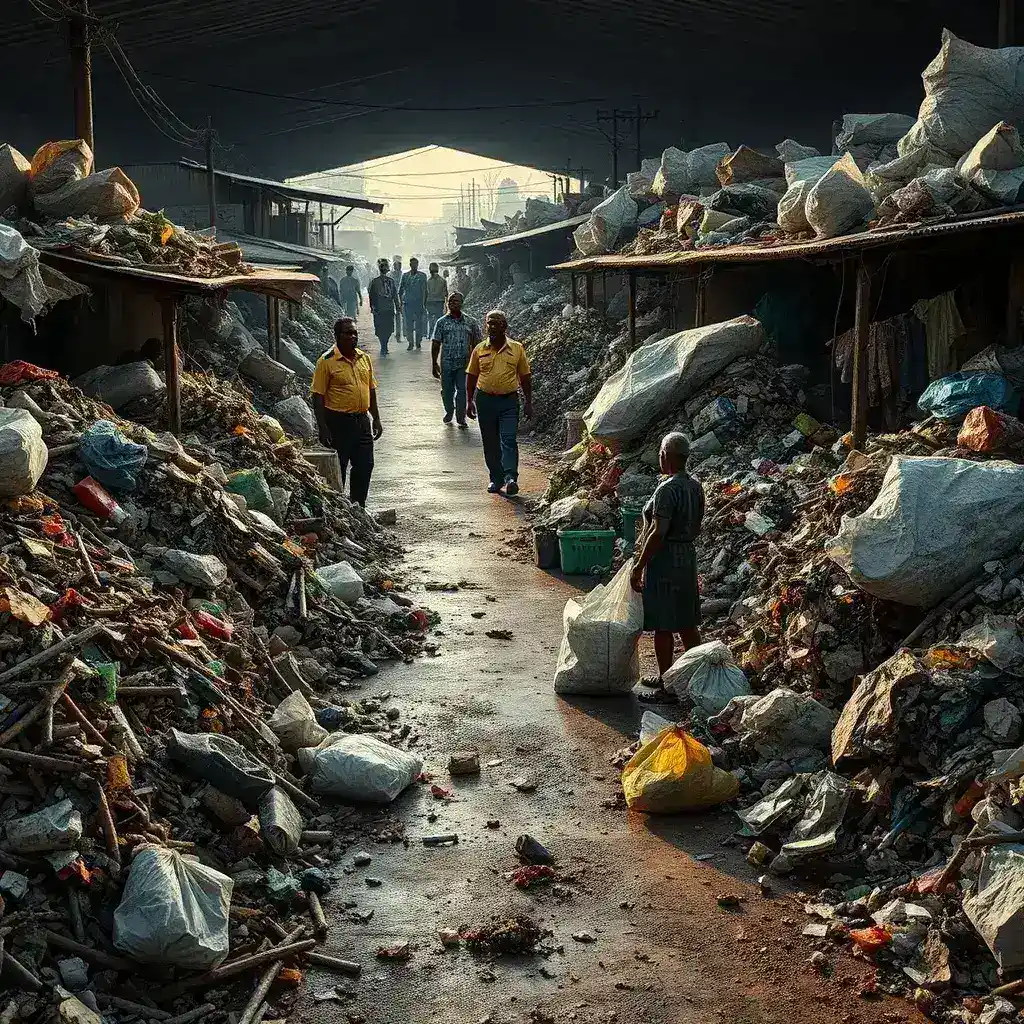
Accra, Ghana – May 8, 2024 – Dr. Gideon Boako, the Member of Parliament for Tano North in the Ahafo region, has sounded the alarm over the deteriorating state of sanitation across Ghana, urging for immediate accountability, comprehensive reform, and a decisive national policy direction to address the escalating waste management crisis. His remarks came during a community clean-up exercise in Tanoso, organized by the Youth Association of Tanoso on Friday.
Deteriorating Infrastructure Despite Tax Contributions
Dr. Boako expressed profound concern that despite the significant taxes and levies citizens diligently pay towards sanitation, the nation’s waste management infrastructure is in a state of rapid decline. Residents contribute substantial amounts, expecting environmental cleanliness, yet the country remains choked with refuse due to a perceived lack of strategic oversight and effective execution.
Leadership Vacuum and Decentralization Gaps
The legislator attributed the current crisis, in part, to a leadership vacuum in the sanitation sector following the government’s decision not to renew the contract of Zoomlion Ghana Limited. While the Ministry of Local Government, Chieftaincy and Religious Affairs has decentralized responsibilities to various assemblies, Dr. Boako highlighted a visible gap in execution.
He noted that no official contractors have been clearly designated for the crucial task of maintaining street cleanliness and public spaces. Consequently, sanitation at the local level has become dependent on the goodwill of individuals, community groups, and volunteer organizations, while the assemblies, entrusted with state funds, appear largely idle and ineffective.
Impact on Public Spaces and Health
Major public areas, including market centers, lorry parks, and streets, are increasingly being overwhelmed by accumulating heaps of refuse. Local authorities seem to lack a clear plan to manage this growing challenge.
Dr. Boako specifically urged the Tano North Municipal Assembly to act urgently in securing a new refuse dump site. The existing site, particularly serving the Tanoso community, is reportedly filled to capacity, leading to waste spilling into nearby streams. This poses a direct threat to the health and safety of residents who depend on these water bodies.
Economic and Environmental Costs
The economic and environmental costs of this crisis are substantial, especially considering the legal taxes and levies Ghanaians already pay. Citizens contribute through the Sanitation and Pollution Levy (SPL), which adds 10 pesewas to every liter of petrol and diesel purchased. Additional contributions come from Plastic Excise Duties imposed on manufacturers and importers.
Furthermore, a portion of District Assembly Property Rates, market tolls, and business operating permits are specifically earmarked for waste management. However, the visible results on the ground do not appear to reflect this significant financial commitment from the public.
National Waste Generation and Policy Deficit
Ghana generates an estimated 6.57 million tonnes of municipal solid waste annually. Alarmingly, there is currently no clear national policy in place to effectively manage this immense volume of filth. This lack of a cohesive strategy exacerbates the problem, leaving communities vulnerable.
Devastating Environmental and Health Repercussions
The environmental impact of poor sanitation is devastating. Inadequate waste management is linked to significant public health issues, including an estimated 31.9 million lost workdays annually. Preventable diseases such as malaria, cholera, typhoid, and pneumonia, often stemming from unsanitary conditions, are estimated to cause around 177,222 deaths each year.
Indiscriminate dumping of waste also leads to the choking of primary drainage systems. This blockage frequently results in flash floods, particularly in urban areas, and the contamination of vital water bodies, including the Tano River, further impacting ecosystems and public health.
Call for Urgent National Action
In light of these pressing issues, Dr. Boako is calling on the Ministry of Local Government to prioritize the development and implementation of an effective national sanitation plan. The urgent goal is to ensure that the taxes and levies paid by citizens finally translate into a clean, healthy, and livable environment for all Ghanaians.
Looking Ahead
The coming months will be critical in observing whether the government will heed these calls for accountability and policy reform. The public will be watching closely for concrete actions that demonstrate a commitment to tackling Ghana’s escalating waste management crisis and ensuring that taxpayer money is effectively utilized for a cleaner nation.



Leave a Reply