
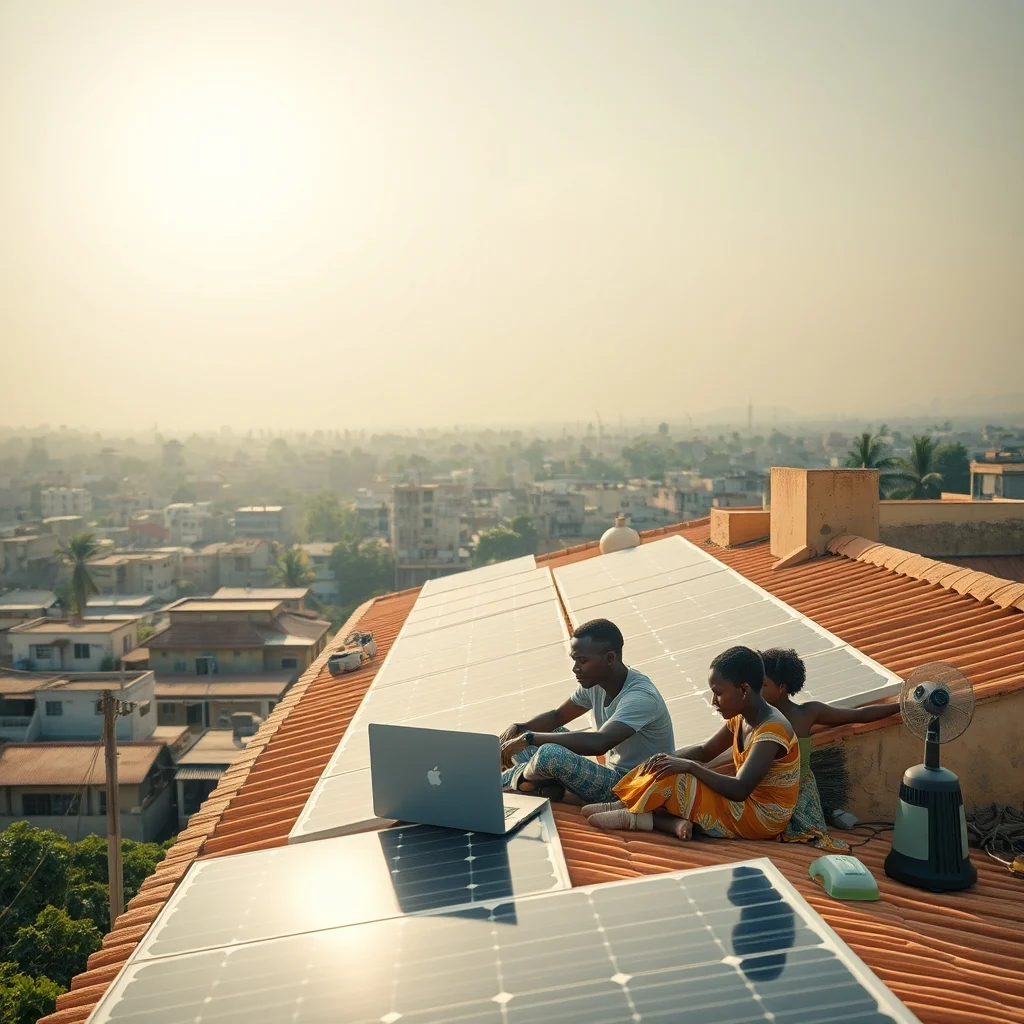
Ghanaian homes and businesses are increasingly turning to solar power as a practical response to persistent and disruptive electricity outages, commonly known as ‘dumsor.’ This shift, gaining momentum across the nation, offers a pathway to greater energy reliability and potential cost savings amidst an unreliable national grid.
Understanding Solar Power Systems
Solar power fundamentally harnesses electricity from sunlight. A typical residential or commercial system comprises three core components: solar panels that capture solar energy, an inverter that converts the direct current (DC) generated by the panels into the alternating current (AC) used by appliances, and batteries for storing excess energy to power devices during the night or on cloudy days.
The inverter plays a crucial role, acting as the intermediary between the panels’ DC output and the AC requirements of household electronics. System capacity is tailored to individual energy needs, determined by the number and type of appliances used daily, such as refrigerators, air conditioners, and televisions, as well as the duration they are operated.
A key feature of modern solar installations is their ability to operate in conjunction with the national electricity grid. This hybrid approach ensures seamless power supply; if solar generation dips due to weather conditions, the system automatically switches to grid power without interrupting service.
Solar Power as a Practical Alternative
Once viewed as a luxury, solar power is now a tangible option for those seeking consistent electricity and better control over energy expenses. Unlike generators that require continuous fuel input during power failures, a well-designed solar system can serve as a primary, sustainable power source.
While the initial investment for a solar setup can be substantial, it represents a long-term investment aimed at significant reductions in monthly electricity bills and ensuring uninterrupted power. The scale of the system required varies greatly; a household with multiple air conditioning units will necessitate a larger and more powerful installation than one primarily using fans, lights, and a television.
Ghana’s Solar Potential and Opportunities
Ghana possesses a significant natural advantage in its abundant sunlight, offering strong solar potential year-round. This geographic benefit creates substantial opportunities for various sectors.
Reliable electricity access is crucial for households, especially those with members working remotely, where consistent power directly impacts productivity and income. Businesses can benefit from reduced operational costs and enhanced operational continuity.
Furthermore, solar power presents a transformative solution for remote communities lacking stable access to the national grid. Institutions can achieve greater energy independence, mitigating risks associated with grid instability.
The potential for large-scale solar farms and integration into the national infrastructure is also being discussed. Although Ghana’s current regulations do not fully support feeding excess solar power back into the grid, the underlying technology to enable such capabilities exists for future implementation.
Beyond the practical benefits, the peace of mind derived from an uninterrupted power supply is invaluable for remote workers and home-based businesses, directly safeguarding their livelihoods.
Making the Switch to Solar
For individuals and businesses considering solar power, the initial step should focus on understanding energy consumption patterns rather than immediate price comparisons. Key considerations include calculating average daily electricity usage, identifying the most energy-intensive appliances, and defining the desired level of energy independence—whether seeking backup power or complete disconnection from the grid.
A thorough comparison of long-term savings against current electricity expenses is essential. It is important to look beyond the upfront cost, as solar systems are engineered for longevity. Many battery systems offer a lifespan of over a decade, and solar panels often exceed this duration. While solar power may not resolve all of Ghana’s energy challenges immediately, it is undeniably becoming a critical component of the nation’s evolving energy landscape.






Leave a Reply