
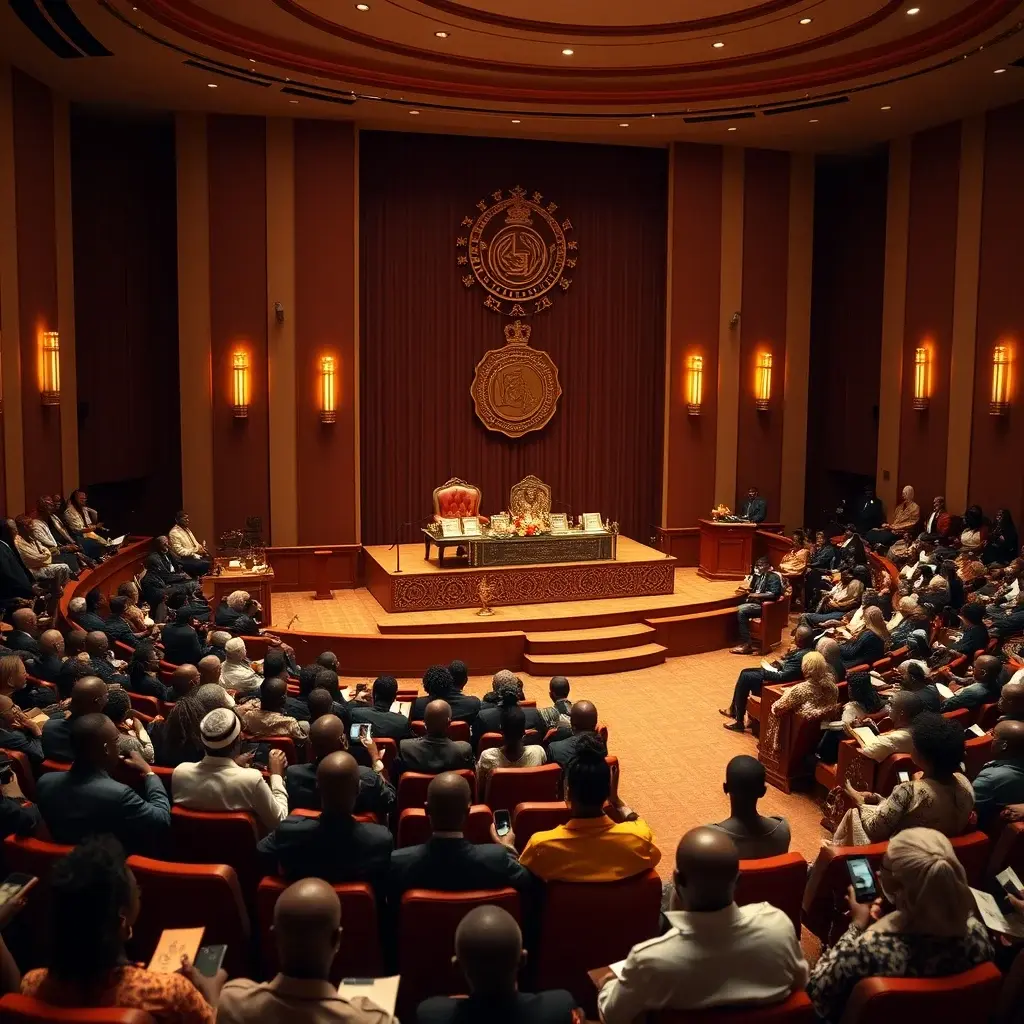
Kumasi, Ghana – The Manhyia Palace Museum recently honored eight distinguished individuals, comprising five Ghanaian and three international creative arts personalities, for their significant contributions to the sector. The awards ceremony, a key event of the second annual Otumfuo Osei Tutu II Art Awards, took place at the Manhyia Palace Jubilee Auditorium in Kumasi. The event was organized by the museum in collaboration with UNESCO and other partners, celebrating excellence and fostering cultural exchange.
Context of the Awards
The Otumfuo Osei Tutu II Art Awards were established to recognize and promote artistic talent and heritage, both within Ghana and on the global stage. This year’s edition, the second since its inception, aimed to further this mission by acknowledging individuals whose work has demonstrably impacted the creative arts landscape. The Manhyia Palace Museum, a custodian of Asante history and culture, provides a fitting venue for an event that bridges tradition and contemporary artistic expression.
Honoring Creative Excellence
Among the Ghanaian honorees was Mr. Ibrahim Mahama, founder of the Savannah Centre for Contemporary Art, Red Clay, and Nkrumah Volini in Tamale. Also recognized were installation artist and painter Mr. Yaw Owusu, based in New York; painter Mr. Larry Otoo; painter Mr. Victor Butler; and portrait artist Ms. Afia Prempeh. These individuals have made substantial marks through their innovative works and dedication to the arts.
The international recipients included Mr. Leon Radegonde, the first contemporary artist from Seychelles to receive such an honor. Ms. Julie Hudson, African Curator at the British Museum, and Mr. Osei Bonsu, a respected curator, were also celebrated for their roles in promoting African art and culture internationally.
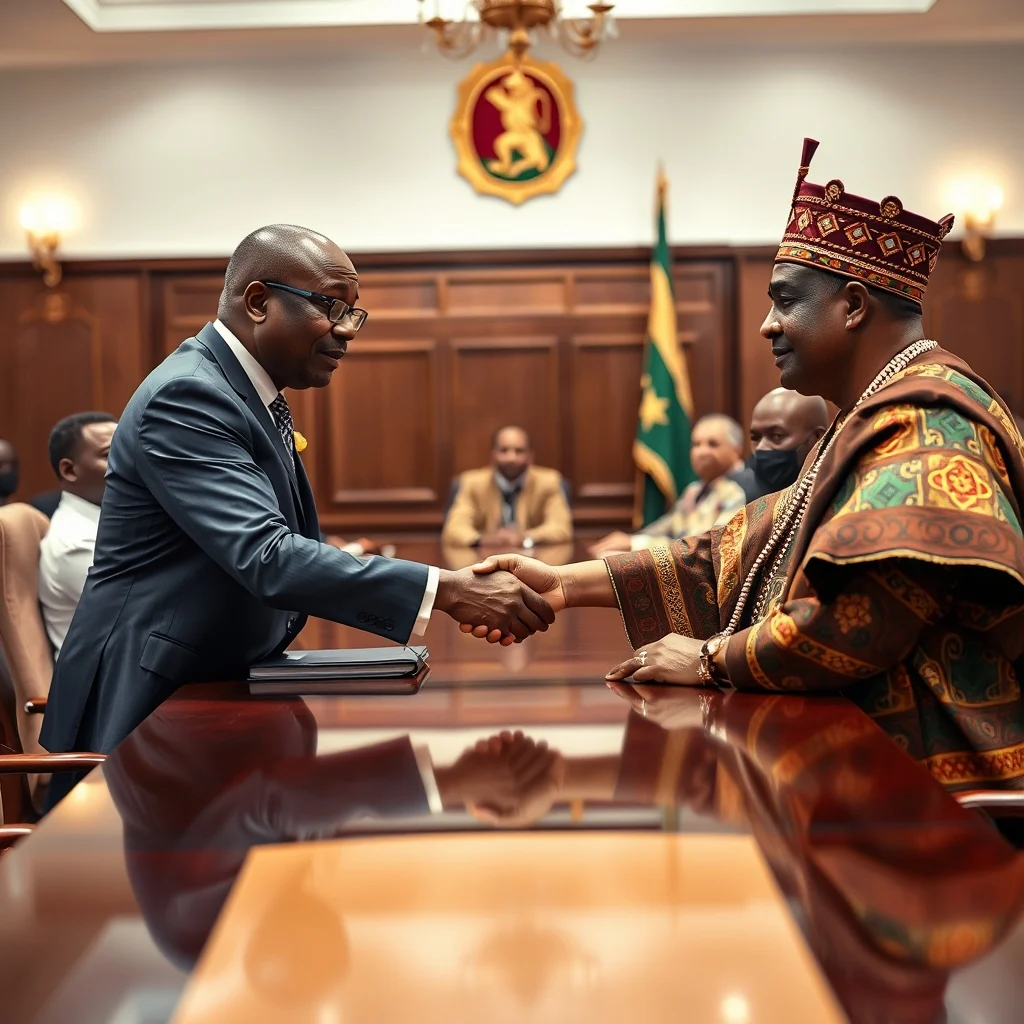
The awardees received plaques from the Asantehene, Otumfuo Osei Tutu II, and his wife, Lady Julia Osei Tutu. They were also presented with branded, multi-connected rechargeable ICT diaries from Justice and Repair, symbolizing a blend of traditional recognition and modern tools for creatives.
Official Remarks and Support
Mr. Ivor Agyeman-Duah, Director of the Manhyia Palace Museum, welcomed attendees and highlighted the significance of the occasion, noting it marked 85 years since the announcement of the death of a former Asante King. He commended the awardees and acknowledged Lady Julia Osei Tutu’s role as Chief Patron of the Art Awards.
Mrs. Dzifa Gomashie, the Minister for Tourism, Culture and Creative Arts, served as the Guest of Honour. She emphasized the critical role of the creative economy in national development, job creation, youth empowerment, and enhancing global cultural influence. The Minister assured the Asantehene of the government’s commitment to supporting initiatives that promote tourism, culture, and the creative arts sector.
UNESCO Country Representative, Mr. Edmond Moukala, underscored the power of art as a vehicle for history, challenging perceptions, and envisioning the future. He stated that the award scheme fosters a robust cultural ecosystem, boosting artists’ visibility, mentorship, and support networks.
Mr. Moukala also connected the initiative to Ghana’s leadership in the global reparations discourse. He noted that the return of African cultural heritage restores dignity, reconnects communities with their history, and allows future generations to appreciate ancestral creativity within their cultural context.
Distinguished Attendees
The event drew a notable gathering of dignitaries, including Professor Rita Akosua Dickson, Vice Chancellor of Kwame Nkrumah University of Science and Technology; Ms. Yvonne Darkwa Poku, President of Justice and Repair; and H.E. Tamas Feher, Hungarian Ambassador to Ghana. Other notable attendees included Mr. Mouduzi Nozinisa, CEO of the Eswatini National Trust Commission; Rune Skinnebach, European Union Ambassador to Ghana; and Ms. Johanna O. Svanikier, former Ghana Ambassador to France and President of The Heritage and Cultural Society of Africa Foundation.
Future Outlook
The Otumfuo Osei Tutu II Art Awards signify a growing recognition of the creative arts as a vital sector for economic and cultural development in Ghana and beyond. As these awards continue to highlight influential figures, they are likely to inspire emerging artists and foster greater investment and support for the arts. The collaboration between cultural institutions like the Manhyia Palace Museum, international bodies like UNESCO, and government ministries suggests a unified approach to leveraging Ghana’s rich cultural heritage for national progress and global engagement. The ongoing discourse on cultural heritage repatriation, highlighted by UNESCO, further underscores the importance of such initiatives in reclaiming and celebrating African artistic legacies.





Leave a Reply