
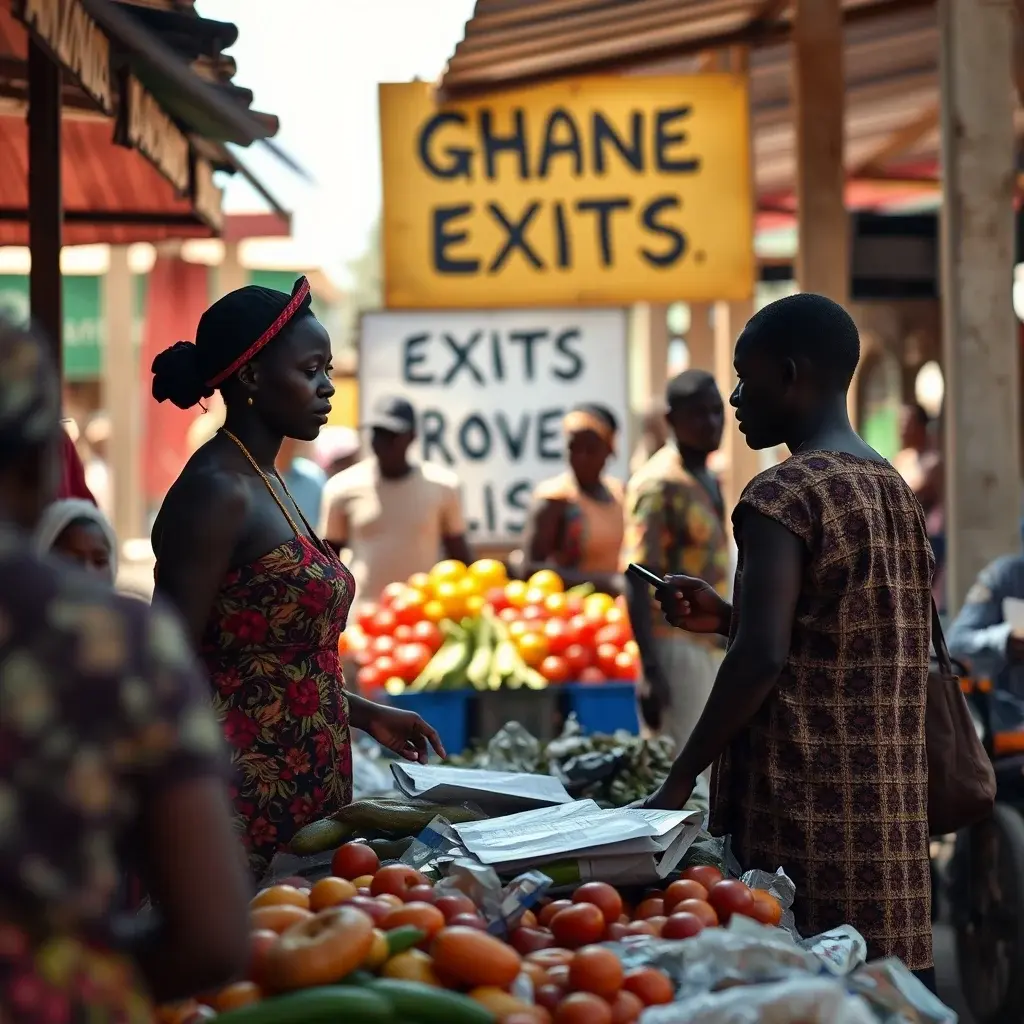
Accra, Ghana – Ghana has officially concluded its International Monetary Fund (IMF) bailout program, marking a significant milestone in the nation’s economic recovery. The exit, achieved under the current administration, follows a period of severe economic instability that led the country to seek IMF assistance despite earlier assurances of economic strength from the previous government. The swiftness of this turnaround has surprised many observers and sparked discussions about the effectiveness of the current economic management team.
Background of IMF Engagement
The decision to engage with the IMF was a contentious one for Ghana. In the years leading up to the program, the then-governing party, through its Economic Management Team led by Mahamudu Bawumia, consistently projected an image of a robust economy. Statements from key figures, including Finance Minister Ken Ofori-Atta, explicitly ruled out seeking IMF support, characterizing such suggestions as alarmist.
However, escalating economic challenges, including a rapidly depreciating currency, soaring inflation, and increased cost of living, forced a policy reversal. The cedi’s decline was particularly sharp, impacting everyday expenses such as transportation and basic goods, with prices fluctuating hourly and fares increasing frequently. Despite these visible hardships, government press conferences often maintained an optimistic tone, suggesting the economy was on the verge of recovery.
The Turnaround Under New Leadership
The narrative shifted significantly with the return of former President John Dramani Mahama to office, accompanied by Cassiel Ato Forson as the Minister of Finance. The current administration has been credited with implementing a less public, more action-oriented approach to economic management. This strategy has reportedly led to a noticeable stabilization of the economy.
Key indicators such as inflation have begun to decline, the national currency has stabilized, and foreign exchange reserves have seen an increase. These improvements have contributed to a return of investor confidence and a positive revision of Ghana’s credit ratings, culminating in the successful exit from the IMF program. The speed and apparent efficacy of these changes have led many to question previous economic strategies and leadership approaches.
Contrasting Economic Philosophies
The economic performance under the current administration is being contrasted sharply with that of the previous government. Critics have likened the past approach to excessive spending without adequate financial planning, using borrowed funds for public events rather than sustainable development. In contrast, the current government is portrayed as one that prioritizes fiscal discipline and quiet, behind-the-scenes financial management.
This difference in approach has left many, including political communicators from the previous ruling party, searching for explanations for Ghana’s economic resurgence. The success is attributed not just to the Finance Minister but also to the collaborative efforts of the Economic Management Team and the Bank of Ghana.
Expert and Public Perception
While the official exit from the IMF program is a cause for celebration, challenges remain. Ghanaians continue to grapple with high prices in certain sectors and persistent unemployment concerns. However, there is a growing public perception of renewed direction, confidence, and seriousness in governance. This sentiment suggests that effective leadership and sound economic policies, rather than mere rhetoric or propaganda, are key drivers of national progress.
Looking Ahead
The success of the current administration in stabilizing the economy and exiting the IMF program presents a formidable challenge for opposition parties. As Ghana moves forward, the focus will likely be on sustaining this economic momentum, addressing remaining social and economic issues, and demonstrating continued fiscal responsibility. The upcoming political landscape may hinge on the tangible results delivered by the government, rather than past promises or slogans, as the nation aims for sustained development and prosperity.







Leave a Reply