
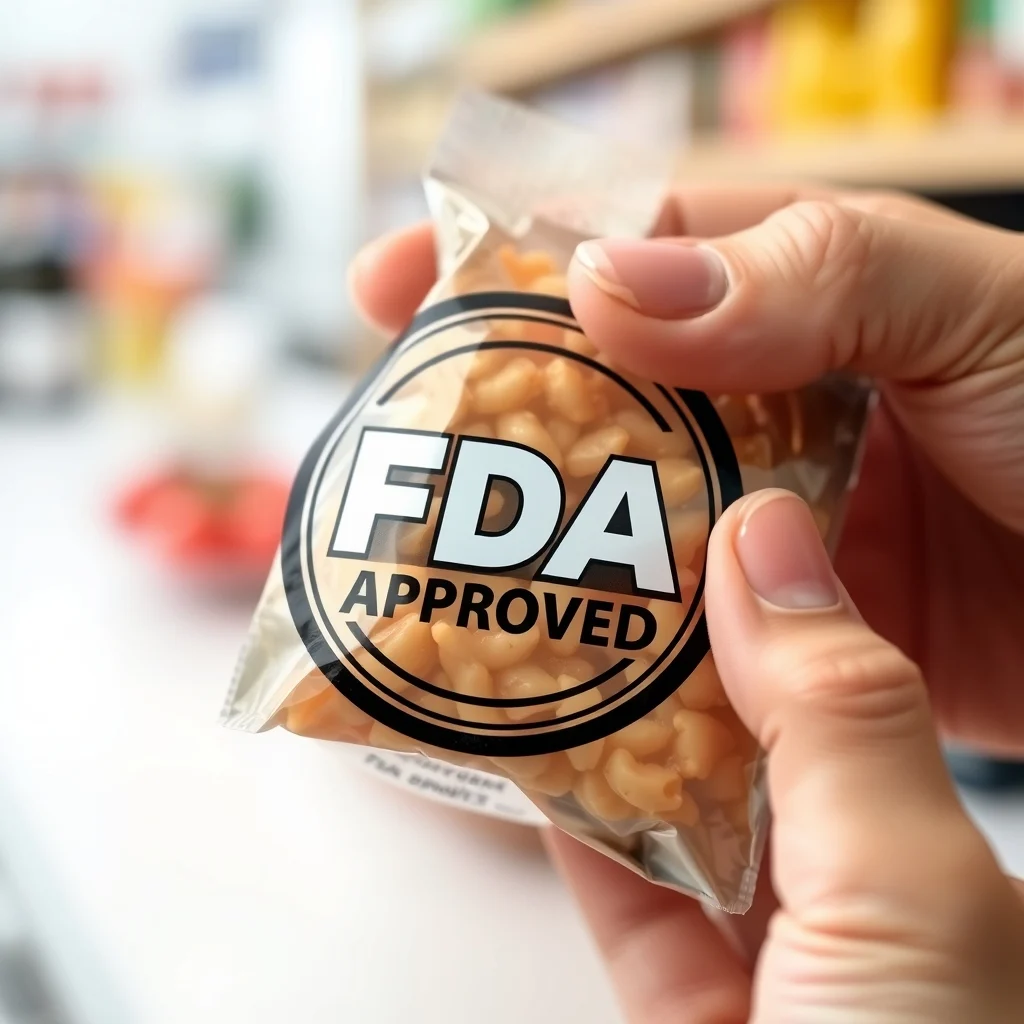
In Ghana, the Food and Drugs Authority (FDA) has implemented a rigorous system to safeguard public health by evaluating products and their promotional materials. The tagline “This advert is FDA-approved,” seen on various consumer goods and services, signifies that both the product itself and its advertising have undergone regulatory scrutiny to ensure safety, quality, and accurate representation to the public. This process involves product registration and subsequent clearance of advertising content before it reaches consumers.
Understanding the Two-Tiered Approval Process
The FDA’s oversight operates on two distinct but interconnected levels. The first, product registration, involves a thorough evaluation of a product to confirm it meets established standards for safety, quality, and efficacy. This ensures that what is being offered to the public is fundamentally sound.
The second level pertains to advertising. All promotional materials, including advertisements, must be submitted for regulatory review and receive clearance from the FDA before they can be disseminated. This ensures that the claims made in advertisements are truthful and not misleading.
Consequently, when an advertisement bears the “FDA-approved” tag, it means the promotional content has been assessed for accuracy and compliance with FDA advertising guidelines. Crucially, this approval is contingent upon the product already being duly registered with the FDA, implying it has passed the initial safety and quality evaluations.
What FDA Approval Confirms and What It Doesn’t
An FDA approval signifies that a product meets basic safety and quality benchmarks, adheres to approved labelling guidelines, and is legally permitted for sale. Furthermore, approved products remain under ongoing FDA monitoring even after they reach the market.
However, FDA approval does not equate to absolute safety or guarantee the absence of side effects. It does not position a product as the healthiest option available, nor does it imply it can cure or prevent diseases without limitations. Moreover, FDA approval does not automatically mean a product is recommended by healthcare professionals.
As experts from the University of Ghana’s Department of Dietetics highlight, “Every food product (and every drug) can become unhealthy if consumed excessively or inappropriately. Approval simply confirms regulatory compliance.” This underscores that regulatory approval is a baseline standard, not an endorsement of optimal health benefits.
The Perils of Misinterpretation
A significant challenge arises when consumers misunderstand the scope of FDA approval. This can lead to potentially risky health decisions. For instance, some consumers might overconsume processed foods, mistakenly believing FDA approval signifies inherent healthiness.
Research conducted in Ghana indicates that a segment of consumers either overlooks FDA information in advertisements or misinterprets it as mere marketing. This disconnect between the FDA’s intended regulatory message and public perception can pose substantial public health risks.
Such misinterpretations can result in excessive consumption of processed foods, inappropriate self-medication, incorrect product usage, and delays in seeking professional medical care. It may also reduce the reporting of adverse side effects, which are critical for post-approval safety monitoring.
Empowering Consumers: Steps to Informed Choices
To navigate these complexities, consumer awareness and informed decision-making are paramount. The FDA and public health experts recommend several actionable steps:
Firstly, consumers should Read Beyond the Tagline. This involves examining the full product label, not just the FDA seal or registration number. Checking ingredients, nutritional information, dosage instructions, expiry dates, and warnings is essential.
Secondly, consumers must be cautious with health claims. Phrases like “boosts immunity,” “natural,” or “fat-burning” may not always be accurate, as FDA approval does not automatically validate every advertised claim.
Thirdly, it is important to Check Sugar, Salt, and Fat Content to ensure compliance with recognized nutritional standards. A product can be FDA-approved yet still contain high levels of sugar, salt, or unhealthy fats, making moderation crucial.
Fourthly, consumers should Avoid Self-Medication. Taking medication without professional guidance can lead to incorrect dosages, dangerous drug interactions, or delayed treatment of underlying conditions. Consulting a doctor, pharmacist, or qualified health professional before using medicines is vital.
Finally, consumers are encouraged to Report Side Effects. Experiencing unusual reactions after using a medication or product should be reported to a healthcare provider or the FDA. This feedback loop is critical for improving public safety and post-market surveillance.
Looking Ahead: Vigilance and Clarity
While the FDA’s processes for product registration and advertisement approval are designed to protect consumers, understanding the nuances is key. An “FDA-approved advert” specifically refers to the clearance of promotional material, not an endorsement of the product’s ultimate healthfulness or efficacy in all circumstances.
Moving forward, continued efforts are needed to bridge the gap between regulatory intent and public understanding. This includes clearer communication from regulatory bodies and greater consumer diligence in scrutinizing product information beyond superficial approvals. The ultimate goal is to empower individuals to make safer, more informed choices regarding the products they consume and use, thereby strengthening public health outcomes.










Leave a Reply