
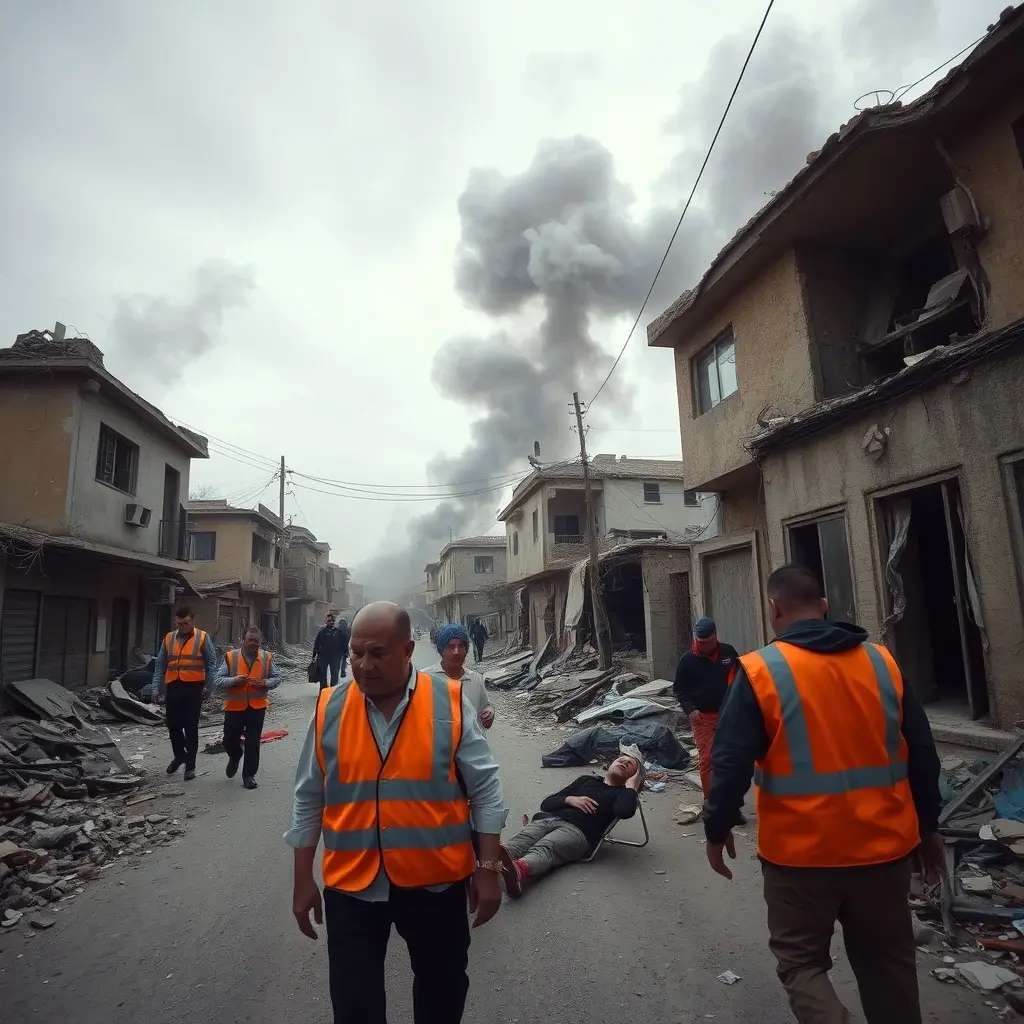
At least 19 people, including children and women, have been killed in southern Lebanon due to Israeli air strikes, according to the country’s health ministry. The fatalities occurred across the Nabatieh and Tyre districts, with one particularly devastating strike hitting a house in Deir Qanoun, claiming ten lives, among them three children and three women. This escalation follows Lebanon’s entry into the broader regional conflict on March 2nd, when Hezbollah launched rockets into Israel in response to US-Israeli actions.
Context of Escalating Cross-Border Violence
The recent casualties come less than a week after the United States announced an agreement to extend a ceasefire between Lebanon and Israel by 45 days, with renewed talks anticipated in early June. Despite this diplomatic effort, exchanges of fire between Israeli forces and Hezbollah have persisted, predominantly in southern Lebanon. Israel states its operations are aimed at targeting Hezbollah, but civilian casualties, including women and children, have been a frequent consequence.
Hezbollah has retaliated by firing rockets and drones into northern Israeli communities and against Israeli troops stationed in occupied parts of southern Lebanon. The conflict has seen significant loss of life on both sides. The Israeli military confirmed the death of another soldier on Tuesday following an attack by Hezbollah in southern Lebanon.
Devastating Attacks and Rising Death Toll
Lebanon’s health ministry detailed the casualties, reporting that in addition to the ten deaths in Deir Qanoun, three individuals were wounded, including a young girl. The strikes on the Nabatieh and Tyre districts resulted in nine additional fatalities and 29 injuries. The total number of people killed in Lebanon by Israeli strikes since the conflict began in March has now surpassed 3,000, as reported by the health ministry on Monday.
Hezbollah’s Response and Military Engagements
Hezbollah has reported engaging Israeli forces, stating that its fighters clashed with an Israeli army unit attempting to advance near the town square of Haddatha. The Iran-backed group claimed to have destroyed an Israeli tank during these confrontations. Furthermore, Hezbollah announced attacks on Israeli forces in southern Lebanon and on Iron Dome air defense platforms situated near the border in northern Israel.
The US-brokered ceasefire agreement permits Israel to conduct strikes it deems necessary to counter Hezbollah’s military activities. Israeli ground forces maintain control over a strip of territory extending approximately 10 kilometers (6 miles) from the Lebanese border, which they seized during the conflict.
Implications and Future Outlook
The continued high casualty rate and the ongoing military exchanges underscore the fragility of the extended ceasefire. The significant loss of civilian life in Lebanon raises concerns about humanitarian impacts and regional stability. The effectiveness of US-led diplomatic initiatives in de-escalating the conflict remains a critical question. Observers will be closely watching whether the upcoming talks in June can yield a more sustainable resolution or if the cycle of violence will intensify further, potentially drawing in other regional actors.








Leave a Reply