
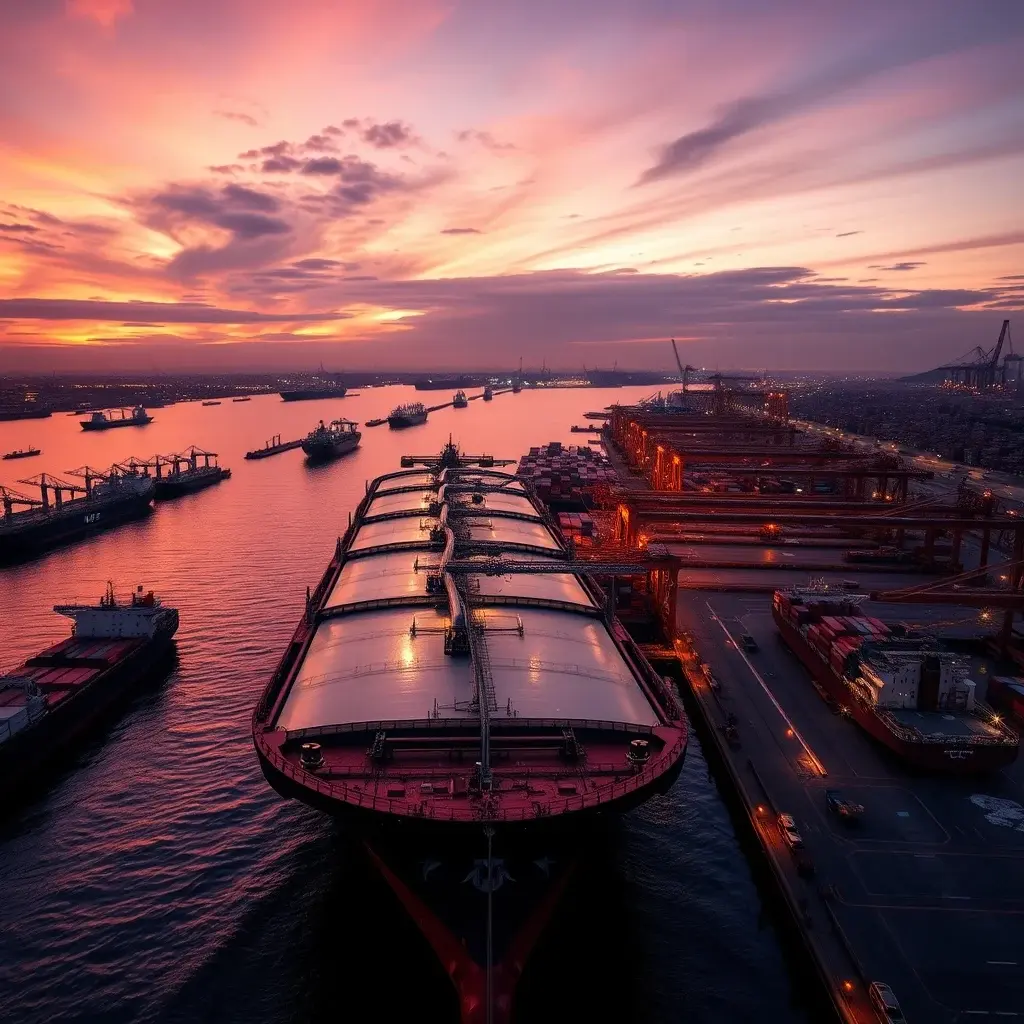
The UK government has implemented a partial easing of sanctions on Russian oil that has been refined into diesel and jet fuel in third countries, a move prompted by escalating fuel prices and supply chain anxieties. This waiver, effective from Wednesday, comes as global markets grapple with disruptions, particularly concerning the Strait of Hormuz. Some sanctions on the transport of Russian liquefied natural gas (LNG) have also been relaxed.
Context of Sanctions and Global Tensions
For years, the UK has been at the forefront of international efforts to exert economic pressure on Russia due to its ongoing war in Ukraine. Just prior to this policy shift, on Tuesday, the UK had signed a G7 statement reaffirming its dedication to imposing severe costs on Russia. Historically, the UK had banned the import of diesel and jet fuel refined from Russian crude oil in third countries since October.
Rising Fuel Prices and Supply Chain Disruptions
The decision to ease sanctions is directly linked to a significant increase in fuel costs. European jet fuel prices more than doubled following the commencement of the US-Israel war, and while they have since fallen, they remain approximately 50% higher than pre-war levels. In the UK, pump prices for petrol continue to climb. According to the motoring association RAC, the average price of unleaded petrol reached 152.52 pence per litre on Monday, marking the highest point since the conflict began.
The impact of these high prices is being felt across industries. Several airlines operating in the UK and globally have been compelled to cancel flights and increase ticket prices in response to the exorbitant cost of jet fuel. This situation highlights the delicate balance governments must strike between enforcing sanctions and maintaining economic stability.
Implications of the Sanctions Easing
The new rules will allow for the import of jet fuel from countries like India, which has been a significant supplier to the UK and Europe, and from Turkey, where substantial amounts of Russian crude are refined. The government has stated these new regulations for sanctioned processed oil products will be of “indefinite duration,” subject to periodic reviews and potential amendments or revocation. Additionally, a time-limited license, valid until January 1, has been issued concerning the maritime transportation of Russian LNG and related services.
International Parallels and Criticisms
This development mirrors a similar move by the United States earlier in the week. The US extended a waiver, initially introduced in March, which had loosened sanctions preventing other nations from purchasing Russian oil and petroleum already loaded onto vessels at sea. US Treasury Secretary Scott Bessent described this measure as a “short-term measure” aimed at promoting “stability in global energy markets.”
However, these policy adjustments have not been without criticism. Many allies, including France and Ukraine, have voiced opposition, arguing that such measures inadvertently benefit Russia’s government and its war efforts. French President Emmanuel Macron stated that the Strait of Hormuz’s shutdown does not justify lifting sanctions on Russia, while Ukrainian President Volodymyr Zelensky emphasized that “every dollar paid for Russian oil is money for the war.”
Despite international concerns, UK Foreign Secretary Yvette Cooper had previously described the US decision in March as a “specific, targeted issue.” A UK government spokesperson asserted that the country has introduced a range of new prohibitions under the Russia sanctions regime, including further export and import bans, restrictions on the sale of refined oil products derived from Russian crude, and a ban on Russian uranium. They also highlighted a maritime services ban on Russian LNG, intended to gradually restrict Russia’s access to UK shipping and insurance services.
Balancing Sanctions with Market Stability
The UK government’s stated commitment is to “strengthening our sanctions on Russia to degrade its ability to wage war in Ukraine, whilst protecting critical supply chains and maintaining market stability.” This dual objective underscores the complex geopolitical and economic landscape governments navigate when imposing and adjusting sanctions in response to international conflicts and market volatility.
What to Watch Next
Moving forward, attention will be on the duration and effectiveness of these eased sanctions. The periodic reviews mandated by the government will be crucial in determining whether these flexibilities remain necessary or if sanctions can be tightened once more. Observers will also monitor the impact on global fuel prices, the response from international allies, and any further shifts in energy supply chains as the conflict in Ukraine continues. The UK’s ability to balance its commitment to sanctioning Russia with the need for market stability will be a key trend to follow.







Leave a Reply