
A new study is urging a more balanced approach to reporting on agricultural innovations in Ghana, warning that excessive hype around new technologies like gene editing could erode public trust and foster skepticism. The research, which analyzed media coverage of gene editing in the country between 2021 and 2024, suggests that an overemphasis on positive narratives, without incorporating diverse viewpoints, risks alienating the public, drawing parallels to public reactions during the COVID-19 pandemic.
Context of Gene Editing in Ghanaian Agriculture
Gene editing is a revolutionary technique that allows scientists to precisely alter the DNA of living organisms. This technology functions by modifying the genetic instructions that dictate how plants, animals, and humans develop and operate. By adding, removing, or changing specific sections of DNA, researchers can introduce desirable traits into crops.
These advancements hold significant promise for agriculture, including enhancing crop resistance to diseases and environmental stressors like drought, as well as improving nutritional content. The African Union has recognized genome editing as a vital tool for addressing the continent’s challenges of food insecurity and climate change.
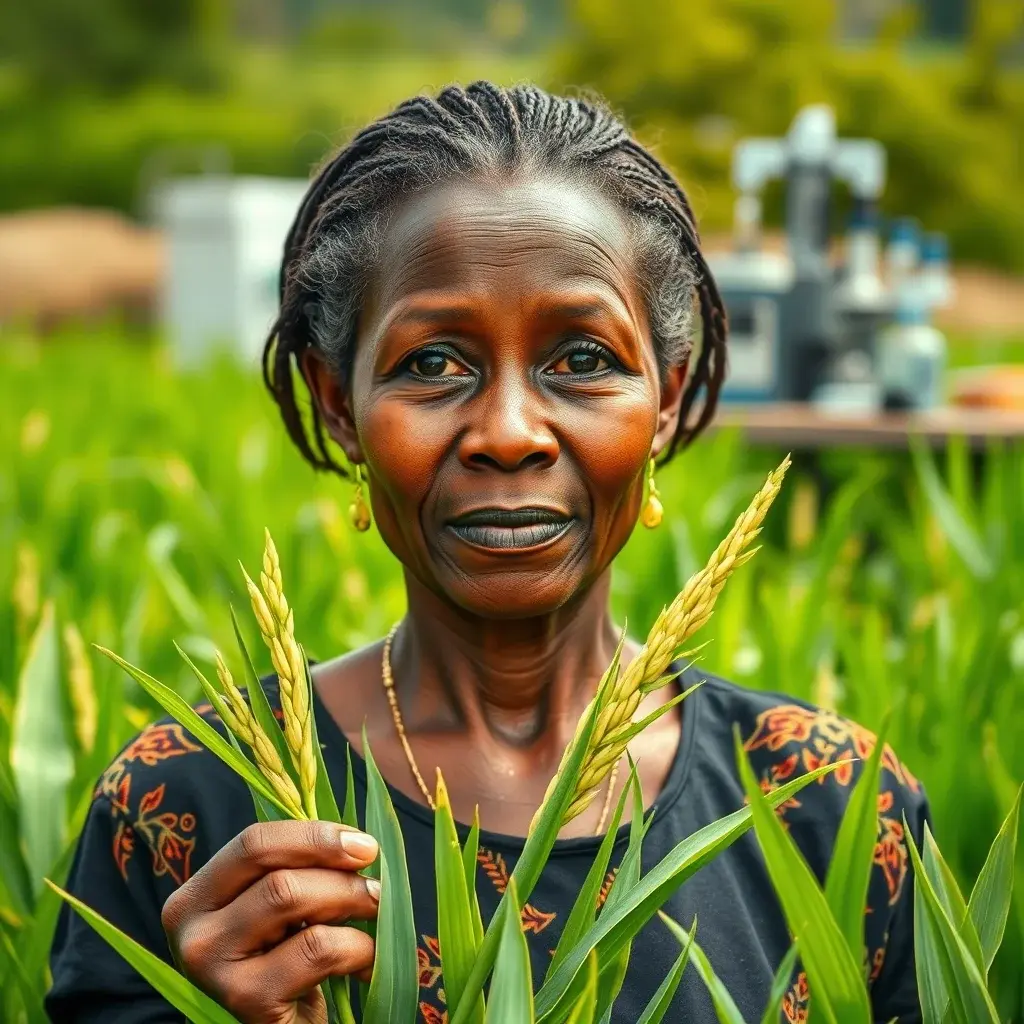
Ghana is actively exploring these technologies. The National Biosafety Authority (NBA) has permitted the Biotechnology and Nuclear Agriculture Research Institute (BNARI) to conduct gene editing on rice. The goal is to develop varieties resistant to the devastating yellow mottle virus disease and tolerant to drought conditions. The yellow mottle virus can cause significant yield losses through stunted growth and poor grain development.
Additionally, researchers have previously investigated gene editing to create sweet potato varieties enriched with Vitamin A, addressing potential nutritional deficiencies. Ghana has also been proactive in establishing regulatory frameworks, releasing guidelines for gene-edited crops in 2023. This positions Ghana as the fourth African nation, following Nigeria, Kenya, and Malawi, to implement validated regulations for gene editing technologies.
Study Findings: Media Framing and Source Selection
The study, titled









Leave a Reply