
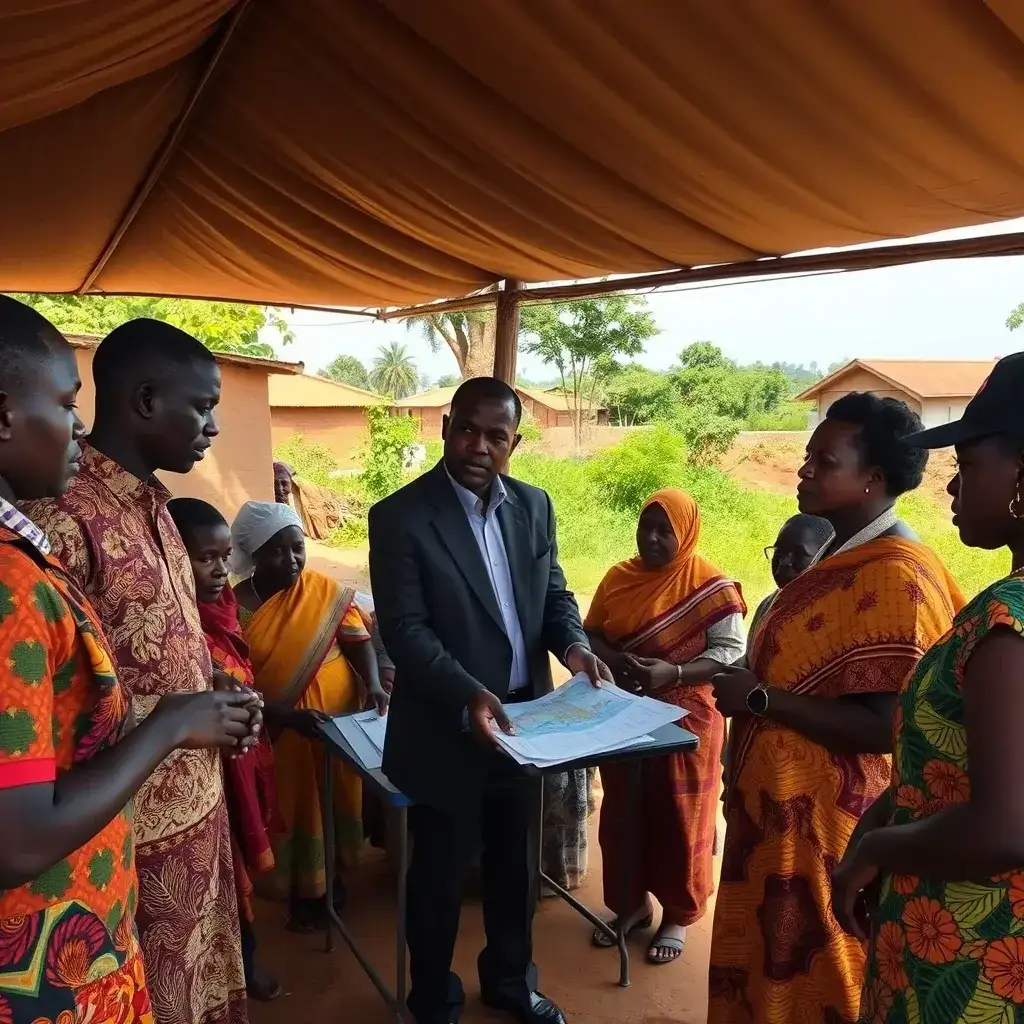
Communities in Ghana’s Ashanti Region, specifically within the Amansie Central and Adansi North Districts, have officially backed the Ghana Gold Board (GoldBod) and the Ghana Geological Survey Authority (GGSA) for their ongoing geological survey. This initiative aims to pinpoint mineral-rich areas suitable for responsible, cooperative, and community-led mining operations, fostering job creation and sustainable development.
Community Backing and Project Rationale
The widespread community support stems from a significant financial commitment by GoldBod to fund the GGSA’s geological survey activities. This project is a cornerstone of GoldBod’s strategy to bolster the artisanal and small-scale mining sector, from which it procures the majority of Ghana’s gold.
GoldBod’s mandate includes reinvesting up to 30 percent of its surplus into supporting mining operations, with a particular focus on the licensed small-scale sector. This funding is crucial for enabling responsible mineral development and creating employment opportunities within mining communities.
Beyond Surveys: Comprehensive Support Structure
The intervention extends beyond mere geological exploration. GoldBod is poised to offer vital resources such as mining equipment, technical expertise, and assured market access for the extracted gold. This multi-faceted approach is designed to ensure that all mining activities adhere to principles of responsibility and sustainability.
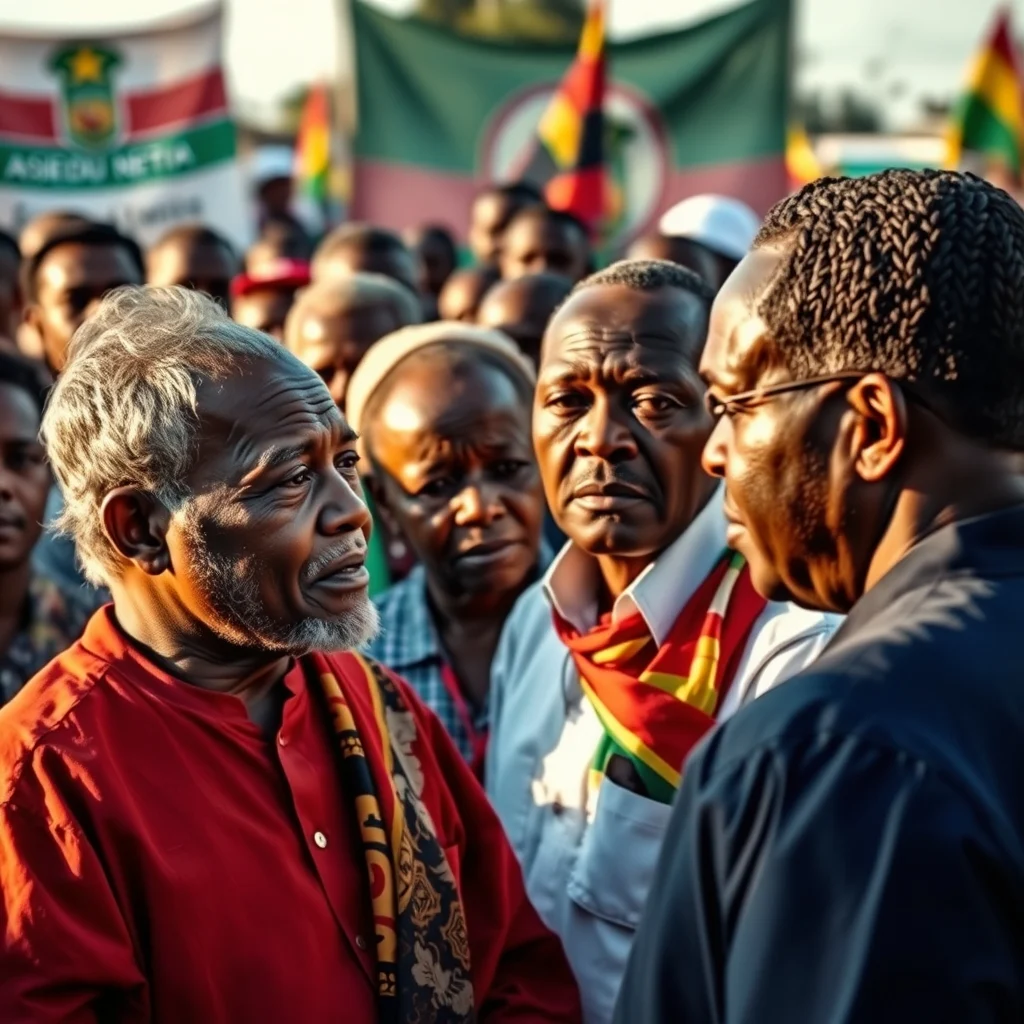
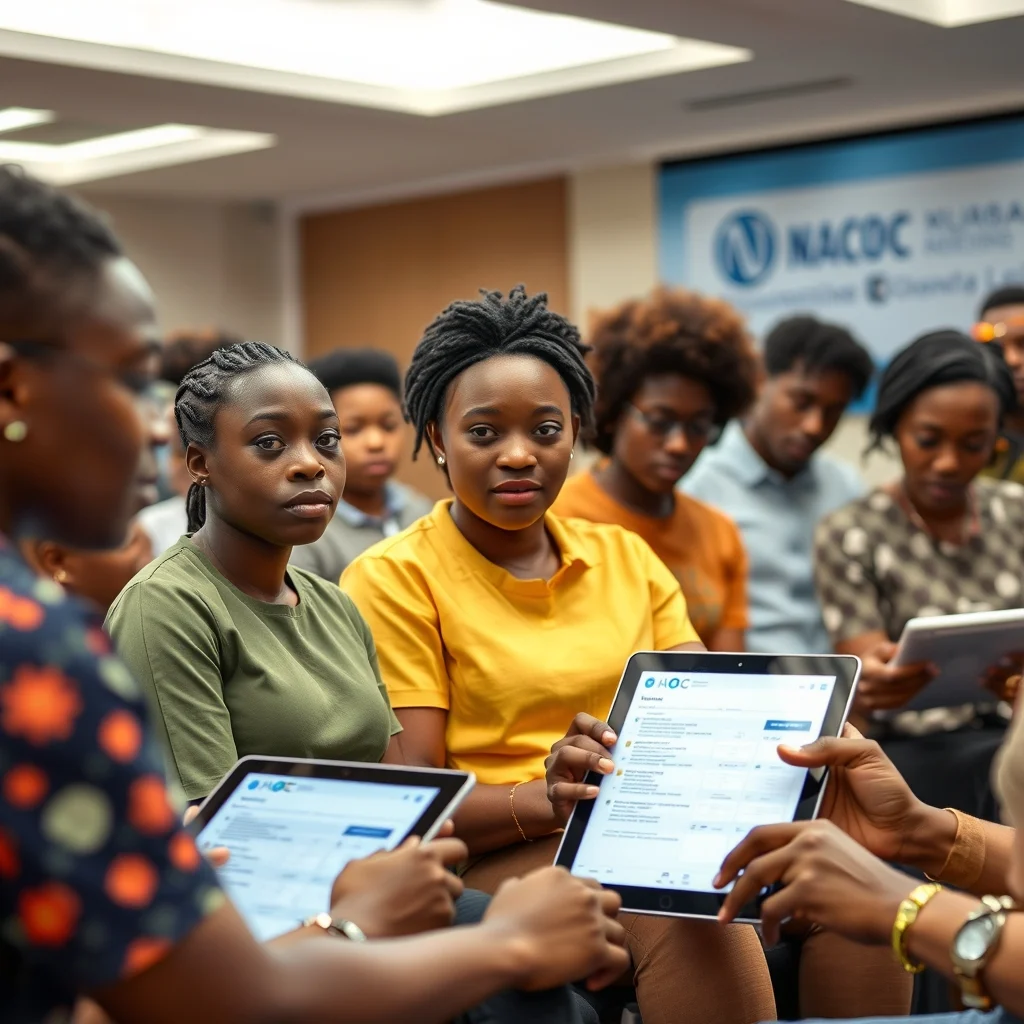
During a recent stakeholder engagement, assembly members from the affected communities voiced their strong commitment to the project. They described the GoldBod intervention as both timely and transformative, highlighting past difficulties in securing support from private mining companies.
Local leaders expressed that this initiative offers renewed hope for residents, demonstrating a practical commitment to empowering local miners while upholding responsible mining practices. The prospect of structured cooperative mining, backed by state institutions, has long been an aspiration for the region.
Traditional Authority Endorsement
The GoldBod and GGSA delegation also paid a courtesy call on Nana Kusi Frimpong Kotobiri II, the Chief of Biribiwomanmu. The chief welcomed the initiative, expressing his approval for the consideration of his area for responsible cooperative mining.
Nana Kotobiri II shared past experiences where community-led mining ventures incurred significant financial losses due to a lack of adequate technical and institutional support. He conveyed optimism that the GoldBod’s involvement would usher in much-needed jobs, economic growth, and opportunities for the local youth.
Government and Regional Alignment
Following consultations with traditional leaders, the delegation briefed the Ashanti Regional Minister, Frank Amoakoene. The meeting confirmed the readiness of communities like Adomanu, Abedwum, Odumase, Akrukeri, Achiase, and Biribiwomanmu to participate actively.
Minister Amoakoene commended GoldBod and GGSA for their leadership in promoting responsible mining. He stressed the importance of integrating land reclamation and corporate social responsibility into the project’s framework.
The Regional Minister noted that such integrated initiatives, which combine youth employment, responsible mining, and social amenities, align perfectly with the government’s development vision. He reiterated that cooperative mining remains a key priority for the current administration.
GoldBod’s Strategic Vision
GoldBod has consistently articulated its strategy of supporting cooperative and community mining as a means to formalize the small-scale sector. The organization believes this approach will improve livelihoods and enhance responsible gold production nationwide.
By integrating geological data, technical assistance, and structured market access, GoldBod aims to guide mining communities away from informal, high-risk operations towards sustainable and economically viable ventures. This strategic alignment is expected to foster long-term prosperity and responsible resource management in the Ashanti Region.





Leave a Reply