
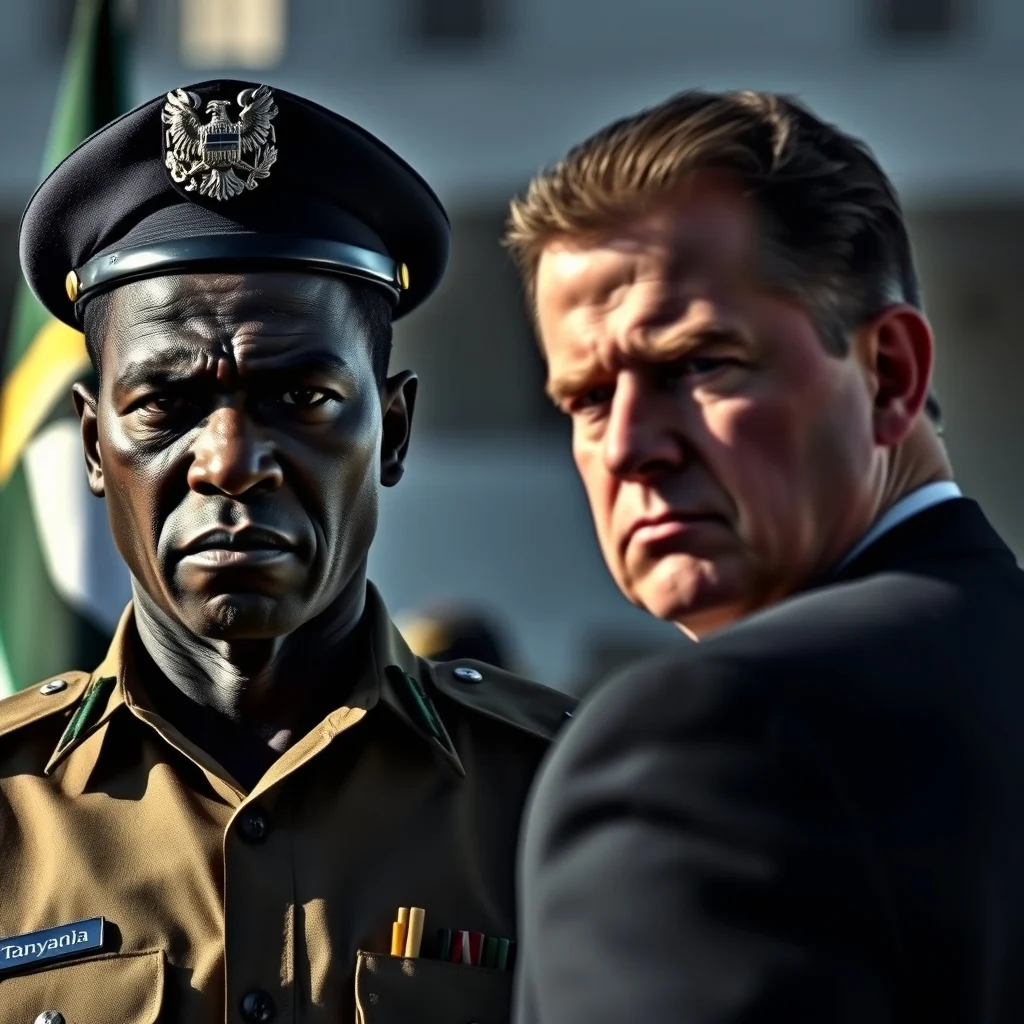
The United States has imposed sanctions on a senior Tanzanian police official, Faustine Jackson Mafwele, for his alleged involvement in the torture and sexual assault of East African rights activists. U.S. Secretary of State Marco Rubio announced the designation on Thursday, citing credible information of gross human rights violations. Mafwele, a senior assistant commissioner of police, is the first high-ranking official under President Samia Suluhu Hassan’s administration to face such sanctions, which include a ban from entering the United States.
The sanctions stem from the May 2023 detention and alleged mistreatment of Kenyan activist Boniface Mwangi and Ugandan activist Agather Atuhaire. The two were in Tanzania to observe the trial of opposition leader Tundu Lissu. They claim they were detained incommunicado, tortured by Mafwele, and forcibly deported near the Kenya-Tanzania border.
Secretary Rubio confirmed these allegations, stating that the activists were detained, tortured, and sexually assaulted by Tanzanian police. Mwangi reported being stripped, hung upside down, beaten, and sexually assaulted, while Atuhaire alleged rape during her detention. Tanzanian police had previously dismissed these claims as mere opinions and hearsay.
Human rights organizations have documented these abuses, with Amnesty International calling for an urgent investigation into the arbitrary arrest, torture, and deportation. Human Rights Watch included the case in its annual report, highlighting a broader crackdown on dissent in Tanzania.
The allegations gained significant international attention following a February documentary by BBC Africa Eye titled “Tanzania’s State of Fear.” The film featured survivors, including Atuhaire and Mwangi, who identified Mafwele as the primary perpetrator. Another survivor recounted a harrowing experience of being shot, with a bullet passing through their skull.
Riley Barnes, Assistant Secretary of State for Democracy, Human Rights, and Labor, emphasized the U.S. commitment to accountability for these actions. The sanctions signal a firm diplomatic stance against such human rights violations.
These sanctions arrive amidst ongoing concerns about political repression and abuses surrounding Tanzania’s general election last October. President Samia was declared the winner with a significant majority, but the opposition criticized the outcome, citing the exclusion of key challengers.
A commission appointed by President Hassan to investigate post-election violence reported 518 deaths and thousands injured. Its April report recommended further scrutiny of police conduct during protests where unarmed civilians were allegedly shot. The commission did not assign direct responsibility for the killings but blamed foreign-sponsored groups for the unrest.
The opposition and human rights groups dispute the official casualty figures, believing them to be significantly higher and accusing security forces of excessive force against protesters.
During the election period, President Samia maintained the election’s fairness and transparency, attributing the violence to foreign plots. Authorities acknowledged using force against protesters, framing it as a necessary response to attempts to overthrow the government.
Internet access was disrupted for several days following the election, with videos of alleged shootings circulating on social media once service was restored, despite police warnings against sharing such content.
President Samia, Tanzania’s first female president, initially garnered praise for easing political repression upon taking office in 2021, but the political climate has since tightened.
The U.S. diplomatic pressure intensified on Tuesday as lawmakers urged stronger actions against Tanzania for alleged democratic backsliding. This follows earlier warnings from the Biden administration regarding the country’s trajectory.
In December, Washington accused Tanzania of repressing religious freedom and free speech, hindering U.S. investment, and failing to prevent election-related violence. U.S. officials warned that these actions endangered American citizens and U.S. interests, threatening security and development cooperation.
The newly implemented sanctions represent an escalation of U.S. pressure, following Secretary Rubio’s December indication that the U.S. was reviewing its ties with Tanzania over repression and election violence.
The diplomatic fallout is impacting regional relations. U.S. Senators Jeanne Shaheen and Ted Cruz introduced legislation threatening to suspend critical U.S. security, economic, and trade support unless verifiable democratic changes are made. This serves as a stark warning to other West African nations concerning the linkage of development funding to governance standards.
The situation also challenges the African continent’s internal review mechanisms. The African Commission on Human and Peoples’ Rights has expressed deep concern over the internet blackout and police violence during the election. This regional pushback highlights growing friction, as citizens and sub-regional bodies increasingly demand accountability, despite governments often invoking sovereignty.
The African Union’s response to Tanzania’s crisis will likely set a precedent for handling state-sponsored crackdowns and internet manipulation across Africa.
The targeting of Mafwele places the Hassan administration at a critical juncture. While Tanzania defends its actions as necessary against destabilization, U.S. sanctions demonstrate a willingness to impose tangible diplomatic costs for human rights violations. President Hassan’s navigation of this pressure will influence future Western aid, tourism, and security partnerships in East Africa.





Leave a Reply