
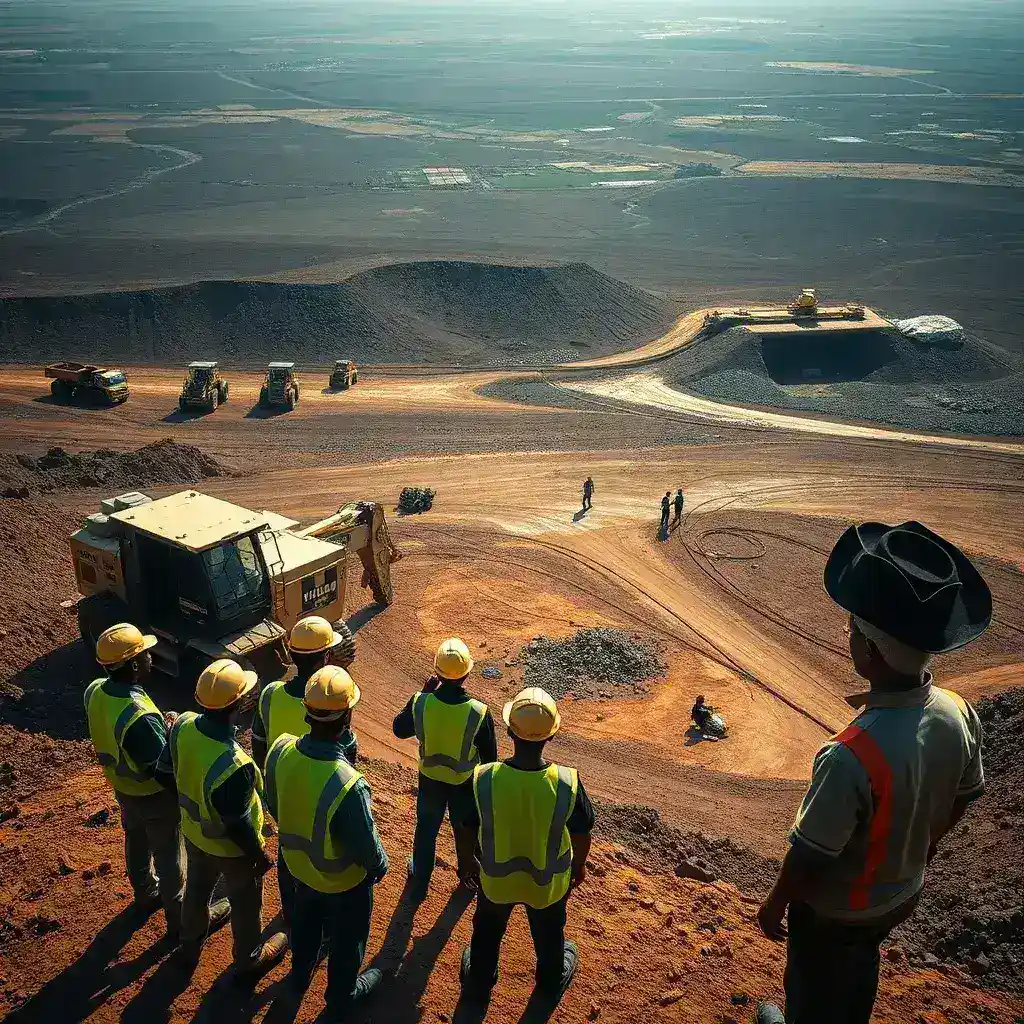
Adamus Resources Limited has issued a statement to clarify its position amidst allegations of illegal mining, asserting its status as a fully licensed Ghanaian entity operating within legal frameworks. The company states that contrary to portrayals by regulatory authorities, it is a victim of persistent illegal mining activities on its concessions located in Akango, Salman, Nkroful, and surrounding areas in Ghana. Adamus has been actively reporting these incursions and cooperating with security agencies to protect its assets and uphold regulatory compliance.
Context of Illegal Mining Operations
The company detailed that it has faced significant challenges from organized illegal mining operations within its legally acquired mining leases. These activities have reportedly raised serious safety and security concerns, prompting Adamus to document and report them through official channels. Interventions by security agencies have led to the identification of illegal mining sites and arrests, though Adamus expressed concern over the inconclusive establishment of ownership and control of seized equipment.
Adamus also noted that it has declined requests from individuals seeking access to its concessions for activities described as “community” or “small-scale” mining, which were inconsistent with legal mandates. The company maintains that its refusal to accommodate unlawful activities has placed it at odds with certain interests, framing the current allegations within this challenging environment.
Legal Framework and Due Process Concerns
Adamus Resources highlighted the provisions of Ghana’s Minerals and Mining Act, 2006 (Act 703), which governs mineral rights, including conditions for suspension or cancellation. The company emphasized that Section 68 of the Act outlines a clear legal process requiring due justification and adherence to standards for any such actions. Furthermore, Section 5 stresses that the exercise of powers related to mineral rights must be transparent, accountable, and in accordance with the law, especially for leases ratified by Parliament.
The company expressed concern that these legal safeguards appear to have been disregarded in the present circumstances. Adamus stated that any action affecting a mining lease must follow prescribed due process, including providing reasons and an opportunity for response. A departure from these requirements, the company argues, raises serious questions about regulatory certainty and the rule of law.
Impact on Indigenous Participation and Investment
As an indigenous Ghanaian company, and notably one led by a woman, Adamus Resources emphasized the broader implications of its treatment. The company highlighted that indigenous mining firms already face substantial hurdles in accessing capital from both domestic and international markets. Investor confidence, it stated, is closely linked to perceptions of regulatory fairness, stability, and respect for legal processes.
Adamus contends that if a compliant, locally owned company is perceived to be treated in a manner inconsistent with established legal procedures, it risks undermining confidence in Ghana’s mining sector. This could hinder the ability of Ghanaian companies to attract funding, scale operations, and contribute to national development.
Commitment to Transparency and Cooperation
Adamus Resources affirmed its possession of extensive documentary evidence, including photographic, video, and audio records of illegal mining activities on its concessions. These materials have been gathered responsibly and are available for appropriate authorities or credible investigative bodies. The company also categorically refuted allegations of facilitating the bail of individuals arrested for illegal mining, stating that official records show no such connection.
The company reiterated its commitment to operating within the law and supporting lawful efforts to combat illegal mining. Adamus expressed readiness to cooperate with any credible and transparent process to establish facts, stressing the importance of fairness, due process, and respect for the legal framework governing the mining sector for the integrity of the industry and investor confidence.










Leave a Reply