
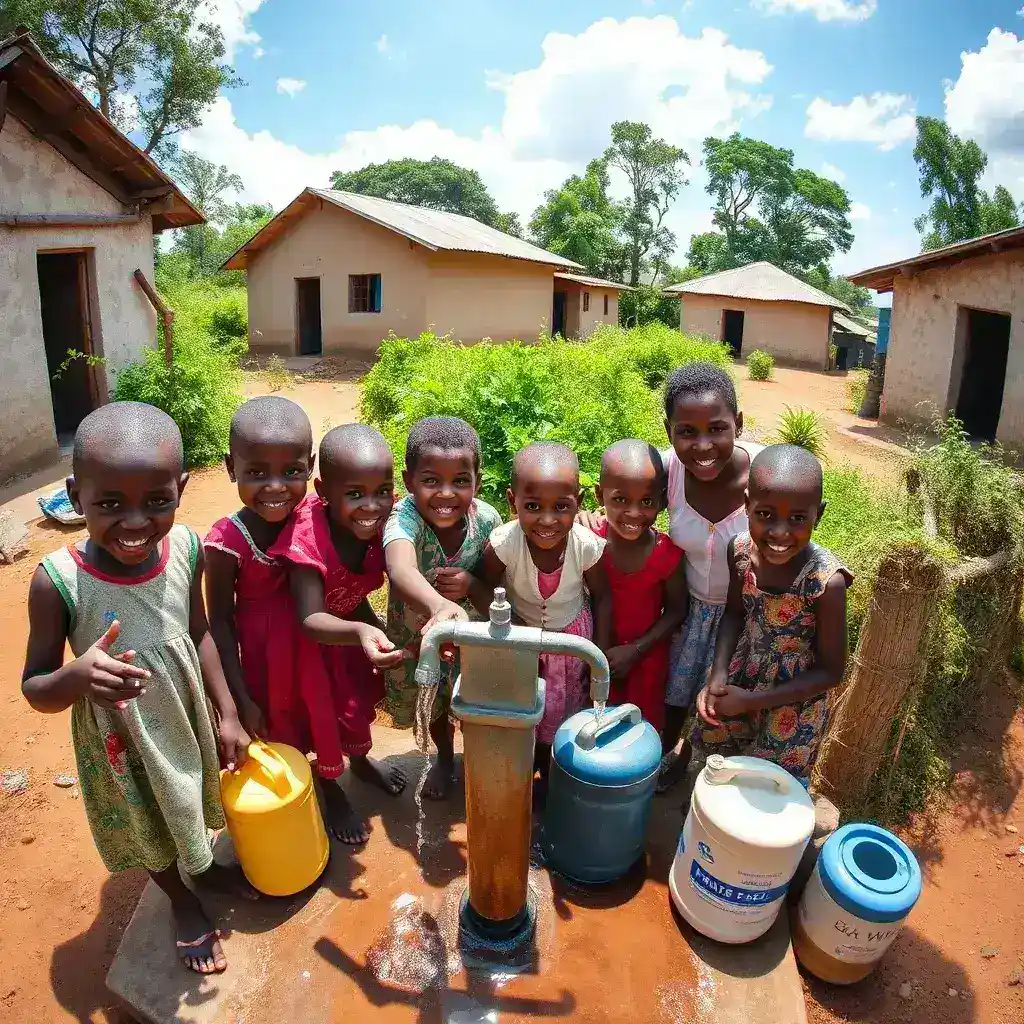
Over 2,000 residents in Ghana’s Ahafo Region, specifically in communities like Kwakuri and Akorsahkrom within the Asutifi North District, are now enjoying reliable and safe drinking water thanks to a collaborative effort by World Vision Ghana and Interplast Limited. This successful intervention, part of the Ahafo Regional Integrated WASH Programme, was launched to address long-standing challenges with contaminated and scarce water sources.
Bridging the Water Gap
For years, residents of these communities faced significant hardships accessing basic necessities due to inadequate water infrastructure. The journey to collect water was often long and arduous, with sources frequently proving unsafe for consumption. This dire situation impacted daily life, health, and economic activities.
The partnership between World Vision Ghana and Interplast Limited emerged as a crucial solution. Interplast Limited provided essential high-quality HDPE pipes, a critical component for constructing and rehabilitating the region’s water systems. World Vision Ghana, leveraging its expertise in community development and water, sanitation, and hygiene (WASH) programs, managed the implementation.
This strategic collaboration ensured the timely delivery of materials and the provision of necessary technical support. The memorandum of understanding signed between the two organizations laid the groundwork for extending vital water services to areas that had been historically underserved and struggling with inadequate water supply.
Transforming Lives, One Drop at a Time
The impact of the new water systems has been immediate and profoundly positive for the residents. Ama Serwaa, a mother of three residing in Akorsahkrom, shared her experience, stating, “We used to wake up at dawn to fetch water from a stream that was not safe. Now the water is right here in the community. Our children are healthier, and we have more time for our work.” This sentiment highlights the significant improvement in quality of life, freeing up valuable time previously spent on water collection.
Health workers have observed tangible health benefits. Kofi Mensah, a community health volunteer, noted, “Since the water came, we’ve seen fewer cases of diarrhoea among children. This project has brought real relief to our people.” The reduction in waterborne diseases like diarrhoea is a direct consequence of access to clean, safe drinking water, underscoring the project’s success in improving public health.
Educational Benefits and Community Development
The positive effects extend to the educational sector as well. Schools within the beneficiary communities have reported improved student attendance and hygiene. Adwoa Nyarko, a teacher at one of the affected schools, explained, “Pupils no longer leave school to search for water. Attendance has improved, and hygiene practices are much better.” This ensures that children can focus on their studies without the interruption of water-fetching duties, contributing to better educational outcomes.
Local district officials have lauded the initiative, recognizing it as an exemplary model for public-private partnerships in addressing critical development needs. The success of the Ahafo Regional Integrated WASH Programme demonstrates how collaboration between non-governmental organizations and private companies can effectively tackle complex challenges like water scarcity and poor sanitation.
A Commitment to Future Resilience
Both World Vision Ghana and Interplast Limited have expressed their commitment to furthering their efforts in expanding access to clean water. They view this successful partnership as a significant step towards enhancing livelihoods and fostering more resilient communities across the region and beyond. The project’s success serves as a blueprint for future interventions aimed at improving WASH infrastructure and overall community well-being.
Looking Ahead
The focus now shifts to sustaining these gains and exploring opportunities to replicate this successful model in other underserved areas. Continued monitoring of the water systems and community engagement will be crucial. Readers and industry stakeholders will be watching to see how this partnership evolves and its potential to influence broader strategies for water access in Ghana and similar developing contexts.










Leave a Reply