
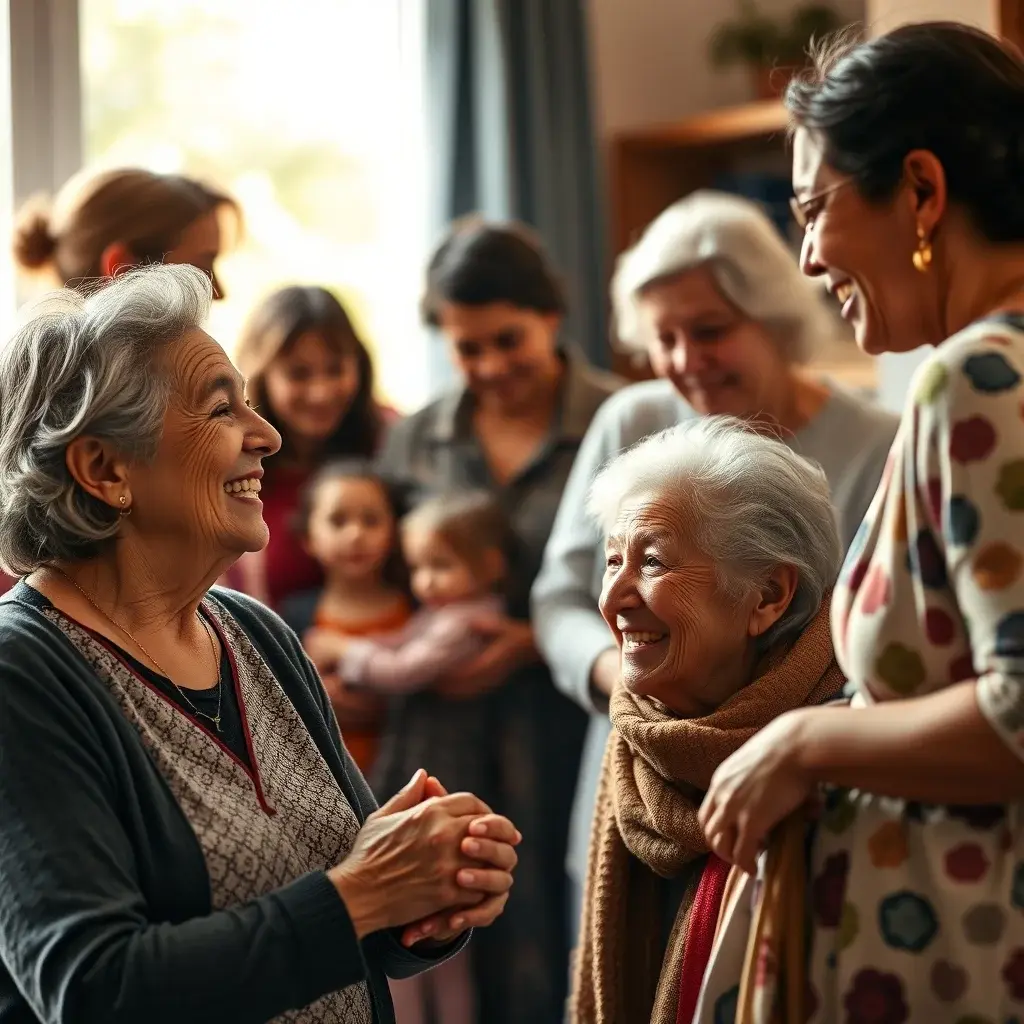
This Mother’s Day, observances often focus on biological mothers, inadvertently overlooking the vast spectrum of women who embody maternal care through their actions and sacrifices. The celebration, typically marked by restaurant visits, gift-giving, and social media tributes, frequently narrows the definition of motherhood to childbirth alone, leaving many women who nurture and guide others feeling unseen.
The traditional understanding of motherhood, rooted solely in biological ties, fails to encompass the profound impact women have as caregivers, mentors, and community pillars. In many cultures, particularly in Ghana as highlighted, women who are not biological mothers play indispensable roles in raising children, offering support, and shaping lives through consistent acts of love and sacrifice.
These non-biological maternal figures include ‘aunties’ who step in during crises, often contributing financially to education or providing emotional stability when parents struggle. They are the extended family members who extend their care beyond kinship, embodying a deep sense of responsibility for the well-being of younger generations.
Grandmothers frequently serve as the bedrock of families, continuing to nurture and support households long after raising their own children. Their tireless efforts in childcare, household management, and emotional guidance are often the unseen force holding families together, a testament to their enduring commitment.
The influence of teachers also extends far beyond academic instruction, with many female educators investing personal resources and emotional energy to support their students. They provide meals, school supplies, and crucial emotional intervention, acting as maternal figures for children facing difficulties, often becoming their primary source of encouragement and protection.
Beyond formal roles, women in local communities often naturally assume nurturing responsibilities. Neighbours who supervise children, food vendors who offer credit to struggling families, and church members who provide spiritual guidance and support all contribute to a collective sense of maternal care within a community.
Even in public spaces, spontaneous acts of kindness by women towards strangers, such as comforting a sleeping child or offering advice to younger travellers, reveal an innate instinct to care and protect, mirroring maternal behaviour without biological obligation.
This widespread, instinctual caregiving is recognized in cultural practices, such as addressing older women with respect regardless of familial connection, acknowledging that motherhood embodies a spirit of responsibility and protection that transcends biology.
However, the narrow focus of Mother’s Day can inadvertently cause pain to women who have experienced infertility, child loss, or who deeply desired motherhood but whose life paths unfolded differently. By limiting the definition, society risks making these women feel invisible despite their significant contributions to the lives of others.
Therefore, Mother’s Day should evolve to celebrate not just childbirth, but the broader spectrum of nurturing, sacrifice, consistency, and love. It should honour the spirit of sustaining life, not just the act of giving it.
Many individuals are products of ‘collective motherhood,’ benefiting from the protection, guidance, and support of women who were not their biological mothers. The impact of these women, though often unacknowledged in public tributes, remains deeply influential and unforgettable.
As celebrations continue, there is a growing call to broaden the conversation around motherhood. This includes honouring aunties, grandmothers, teachers, neighbours, mentors, and all women whose love and care shape lives behind the scenes, recognizing them as vital nurturers of humanity.
Ultimately, people remember not just who gave them life, but who stayed, supported, and showed up during difficult times. This enduring impact highlights that motherhood is often defined not solely by biology, but by the profound commitment and presence of those who choose to care and stay.










Leave a Reply