
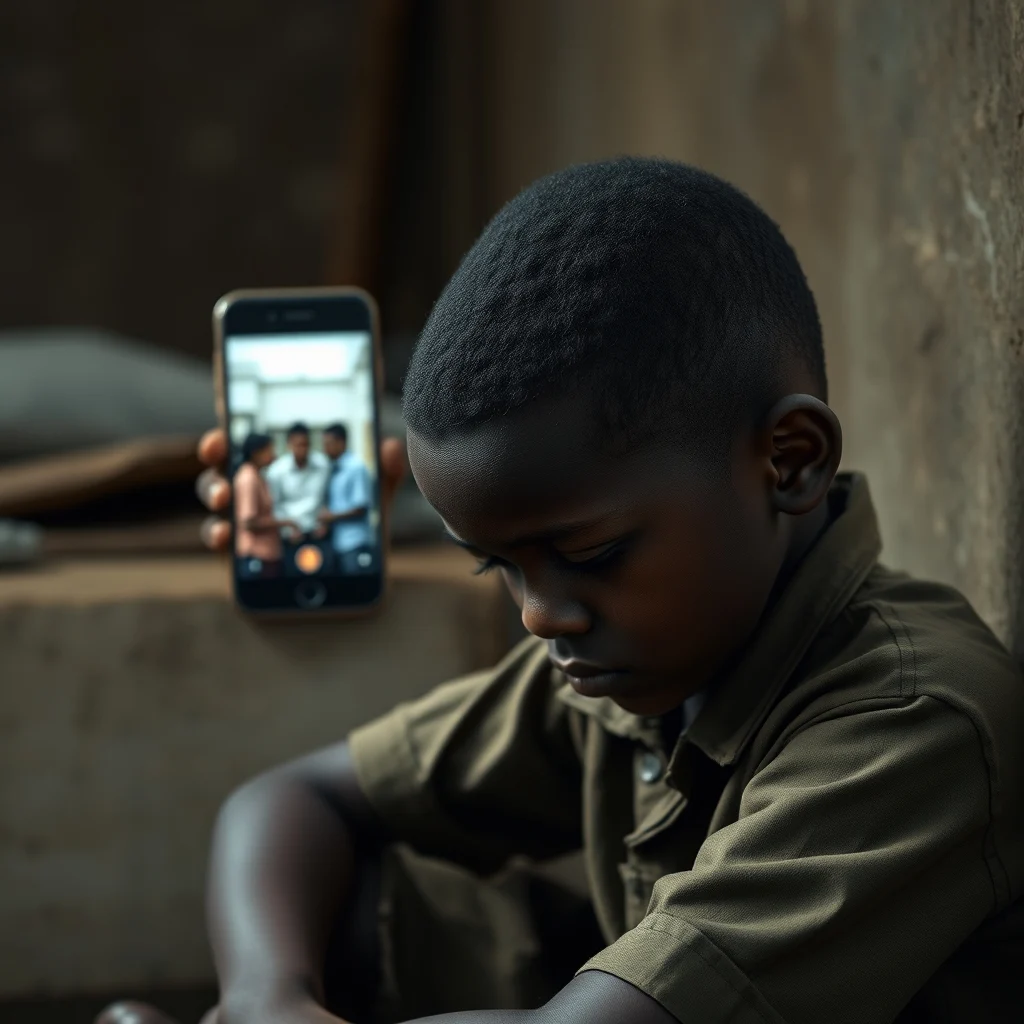
Professor Justice Bawole, Dean of the University of Ghana Business School (UGBS), has strongly condemned social media content creators who exploit and ridicule Basic Education Certificate Examination (BECE) leavers for viral content. This trend, which involves filming students struggling with English, has been described by Prof. Bawole as “nonsense” and “extremely terrible,” potentially damaging the confidence and academic futures of these young individuals.
Systemic Inequality Fuels Mockery
Prof. Bawole’s strong reaction was sparked by a widely shared video where a content creator mocked two young men for their limited English fluency shortly after their BECE exams. As a former teacher, Bawole argued that such difficulties are not indicators of intelligence but rather symptoms of a profoundly unequal educational system in Ghana.
He explained that disparities in educational resources mean students in privileged urban schools often have better English skills, not due to inherent superiority, but because of access to opportunities denied to many in rural communities. Bawole highlighted that this privilege can sometimes be built on resources diverted from the broader educational system, impacting equitable development.
A Personal Testimony of Overcoming Barriers
Drawing from his own experiences, Prof. Bawole shared a poignant story from his childhood in a village near Yeji. As a primary school student, he was unable to interpret for American visitors due to his lack of English proficiency, which led to significant local mockery. This experience nearly ended his educational journey.
He credited his father’s unwavering support for his continued schooling. Bawole used his own trajectory, from a struggling village student to the Dean of a leading business school, as a powerful testament that early language barriers do not predetermine one’s ultimate potential.
Call for Legal Intervention and Professionalism
The Dean expressed deep concern over the practice of recording minors without parental consent, turning them into objects of ridicule for social media engagement. He specifically urged the Minister for Communications, Digital Technology & Innovation, to initiate legal action against individuals exploiting vulnerable children for online visibility.
“If there is any law in Ghana that prevents the mockery of people… that law should apply to whoever recorded this video and whoever put this video online,” Prof. Bawole asserted, calling for accountability.
Furthermore, he called upon experts from the Department of Psychology and Social Welfare to locate the young men in the viral video to provide them with immediate counselling. This intervention aims to mitigate the potential risks of trauma or self-harm resulting from the public humiliation.
Rethinking Education and Media Ethics
Prof. Bawole implored content creators to remove such exploitative videos and advocated for a return to discussions about using local languages as primary instructional mediums. This approach, he believes, would better support students in rural areas who face significant language barriers.
He stressed the need for a higher standard of professionalism within the media. This includes protecting children, who may already be dealing with the stress of examinations, from national ridicule and ensuring their dignity is preserved.
Future Implications and Watch Points
The ongoing debate highlights critical issues surrounding educational equity, digital ethics, and child protection in Ghana. As social media continues to grow, the potential for exploitation of vulnerable populations, particularly minors, remains a significant concern. Stakeholders will be watching to see if legislative measures are enacted and enforced to curb such practices. Additionally, the call for greater media professionalism and a re-evaluation of educational policies to address language barriers is likely to gain traction. The long-term impact on the confidence and well-being of students who have been subjected to public ridicule will also be a crucial area to monitor, emphasizing the need for support systems and preventative strategies.










Leave a Reply