
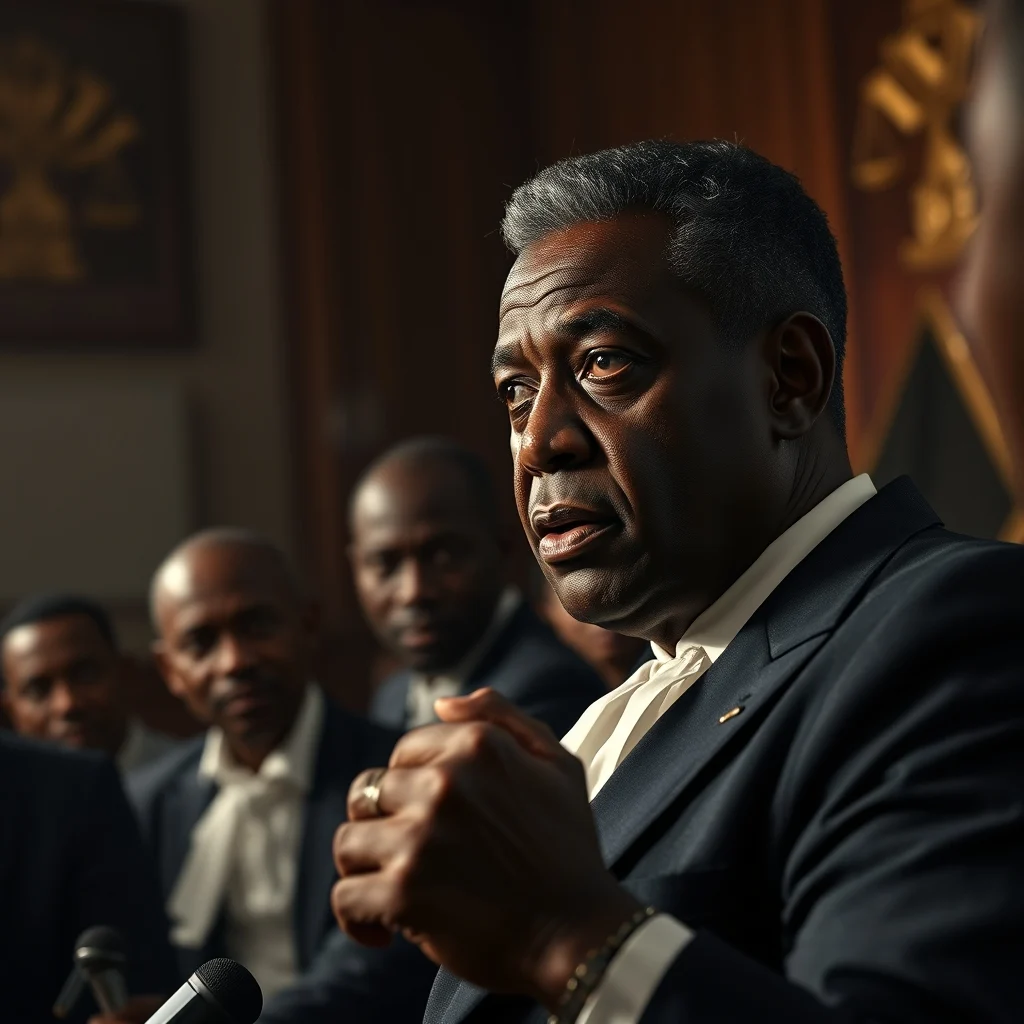
Former Attorney-General Godfred Yeboah Dame has stated that he personally authorized the Office of the Special Prosecutor (OSP) to prosecute cases during his tenure under the previous New Patriotic Party (NPP) government, directly refuting claims that the office lacked the necessary legal backing. This assertion comes amidst ongoing debates regarding the OSP’s independent prosecutorial powers.
Legal Basis for OSP Prosecutions
Speaking on Joy News’s “Justice and Politics” program, Mr. Dame explained that Section 4 of the OSP Act (Act 959) and Article 88 of the Constitution empower the Attorney-General to authorize prosecutions by the OSP. He emphasized that there is no constitutional conflict, as the OSP’s ability to prosecute is legally contingent on this authorization.
“The Attorney-General’s prerogative to authorise prosecutions is recognised, and the OSP can only prosecute with that authorisation,” Mr. Dame stated. He clarified that the question of authorization is a legal matter, not a constitutional one. He also pointed to Legislative Instrument 2374 (LI 2374), the Special Procedures (Prosecution) Regulations, which he noted explicitly delegates prosecutorial authority.
Past Authorizations and Current Stance
Mr. Dame highlighted that during his time as Attorney-General, he executed executive instruments to empower various state agencies, including the Forestry Commission, the Environmental Protection Agency (EPA), and the OSP itself, to prosecute cases. He suggested that similar actions are a simple administrative process, requiring minimal effort to ensure the OSP’s effective operation.
He expressed frustration with what he perceives as a current reluctance to grant the OSP the necessary authorizations. Mr. Dame suggested this unwillingness has contributed to judicial challenges against the OSP’s actions, potentially undermining its mandate to fight corruption.
“The moral conclusion is clear: the unwillingness to execute the necessary authorisations shows a lack of interest in ensuring that the Special Prosecutor functions and fights corruption,” he asserted. He also criticized what he described as the media and civil society’s tendency to focus on a single perspective, which he believes can distort public understanding of the OSP’s role and capabilities.
Judicial Challenges and OSP Independence
Mr. Dame’s remarks come at a critical juncture for the OSP. In April 2026, an Accra High Court ruled that the OSP cannot independently prosecute cases without the Attorney-General’s authorization. A similar case challenging the OSP’s independent prosecutorial powers is currently pending before the Supreme Court.
These legal challenges raise significant questions about the OSP’s autonomy and its effectiveness in pursuing corruption cases. The outcome of the Supreme Court case, in particular, is expected to set a significant precedent for the future operations and independence of the anti-corruption body.
Implications for the Anti-Corruption Fight
The debate surrounding the OSP’s prosecutorial authority has direct implications for Ghana’s efforts to combat corruption. If the OSP’s independence is significantly curtailed, it could impact its ability to initiate and pursue investigations without potential executive interference. This could also affect public confidence in the anti-corruption mechanisms of the state.
Civil society organizations and legal experts will be closely watching the Supreme Court’s decision. The ruling will likely shape the operational landscape for the OSP and could influence future legislative or constitutional reforms aimed at strengthening or clarifying the mandate of anti-corruption institutions in Ghana. The broader impact on investor confidence and the country’s governance framework also remains a key area to monitor.










Leave a Reply