
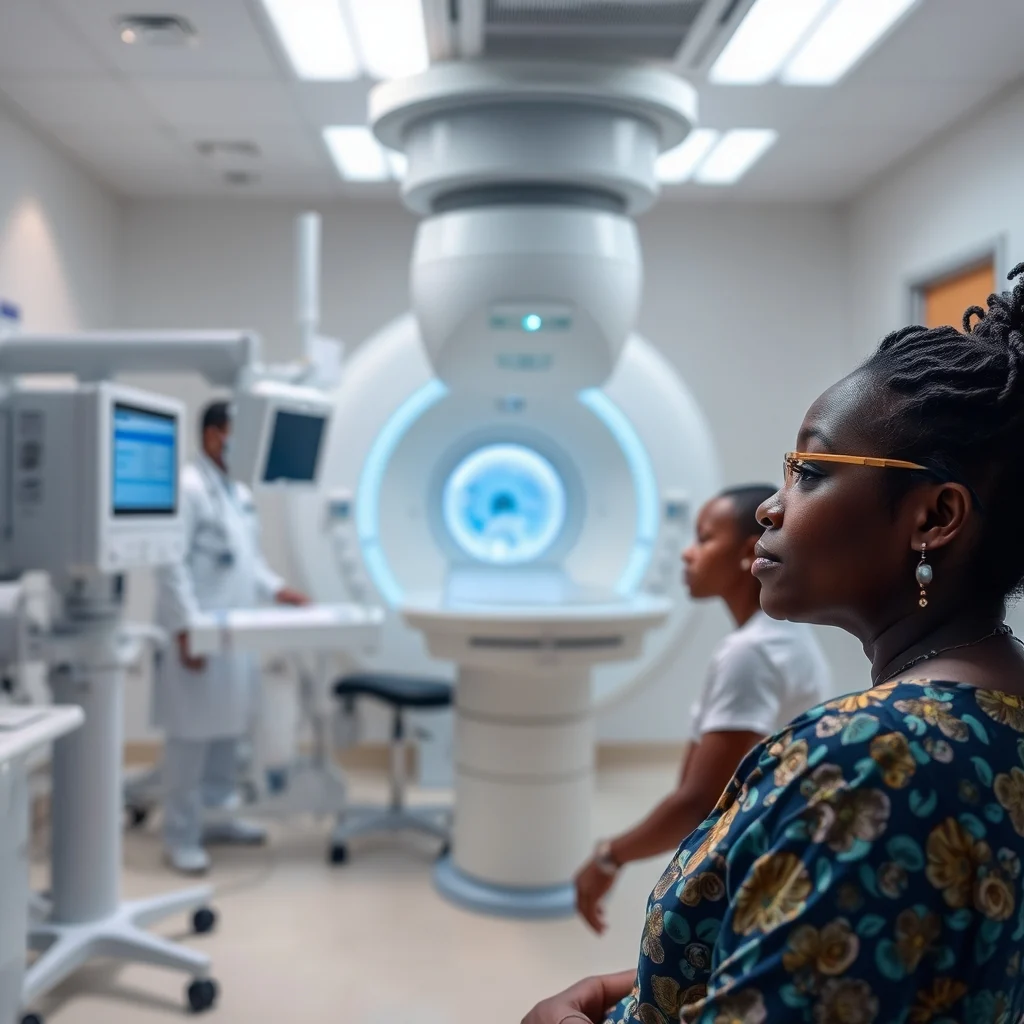
The Ghana Medical Trust Fund (GMTF) has announced a significant long-term strategy to establish at least three comprehensive cancer treatment centres across Ghana. This initiative aims to bolster oncology care, improve access to specialized treatments, and address critical deficiencies in the nation’s healthcare infrastructure, particularly in diagnostic and radiotherapy services.
Addressing Critical Gaps in Cancer Care
Adjoa Obuobia Darko-Opoku, Administrator of the GMTF, detailed the plan during the Government Accountability Series. The vision is a direct response to the severe shortages of essential cancer treatment facilities, including radiotherapy machines and advanced diagnostic equipment, which currently hinder effective patient care nationwide.
The current situation highlights a stark disparity in access. Ghana possesses only two radiotherapy machines in the public sector and one in the private sector, with all these facilities concentrated in Accra and Kumasi. This limited capacity forces patients from other regions to undertake lengthy and often costly journeys for treatment.
Compounding the issue, patients frequently encounter waiting periods of two to three months before they can receive the necessary radiotherapy, significantly delaying critical interventions. Furthermore, the country faces a deficit in vital diagnostic technologies such as PET scanners and MRI machines, which are crucial for accurate cancer detection and staging.
Pilot Project and Future Expansion
The GMTF’s strategic plan will commence with Ridge Hospital serving as a pilot comprehensive cancer centre. This initial phase will focus on establishing integrated services, including advanced diagnostics, chemotherapy, and radiotherapy. The project aims to incorporate cutting-edge technologies like Gamma Knife systems, alongside state-of-the-art diagnostic equipment.
Following the successful implementation at Ridge Hospital, the model will be replicated and expanded to other regions across Ghana. This phased approach is designed to gradually build capacity and ensure equitable access to advanced cancer care throughout the country.
Expert Perspectives and Data
Ms. Darko-Opoku emphasized that the GMTF’s vision is informed by data on existing healthcare challenges. The scarcity of radiotherapy machines is a critical bottleneck, directly impacting treatment timelines. The reliance on a few centralized locations exacerbates geographical inequalities in healthcare access.
The planned establishment of these new centres is expected to alleviate the strain on existing facilities and significantly reduce the waiting times for patients. By decentralizing advanced cancer care, the GMTF aims to bring treatment closer to where people live, thereby easing the financial and emotional burden on patients and their families.
Implications for Patients and the Healthcare System
The establishment of these three new comprehensive cancer centres represents a substantial investment in Ghana’s healthcare future. For patients, it promises improved access to timely and specialized cancer treatment, potentially leading to better health outcomes and survival rates.
The initiative is poised to enhance the overall capacity of Ghana’s healthcare system to manage non-communicable diseases, with cancer being a significant concern. It underscores a commitment to modernizing medical infrastructure and adopting advanced technologies to meet the growing healthcare needs of the population.
What to Watch Next
The successful implementation of the pilot project at Ridge Hospital will be a key indicator for the subsequent rollout. Investors, healthcare providers, and the public will be closely monitoring the progress, the adoption of new technologies, and the tangible impact on patient waiting times and treatment accessibility across the regions. The long-term sustainability and funding models for these centres will also be crucial factors to observe as Ghana strengthens its fight against cancer.




Leave a Reply