
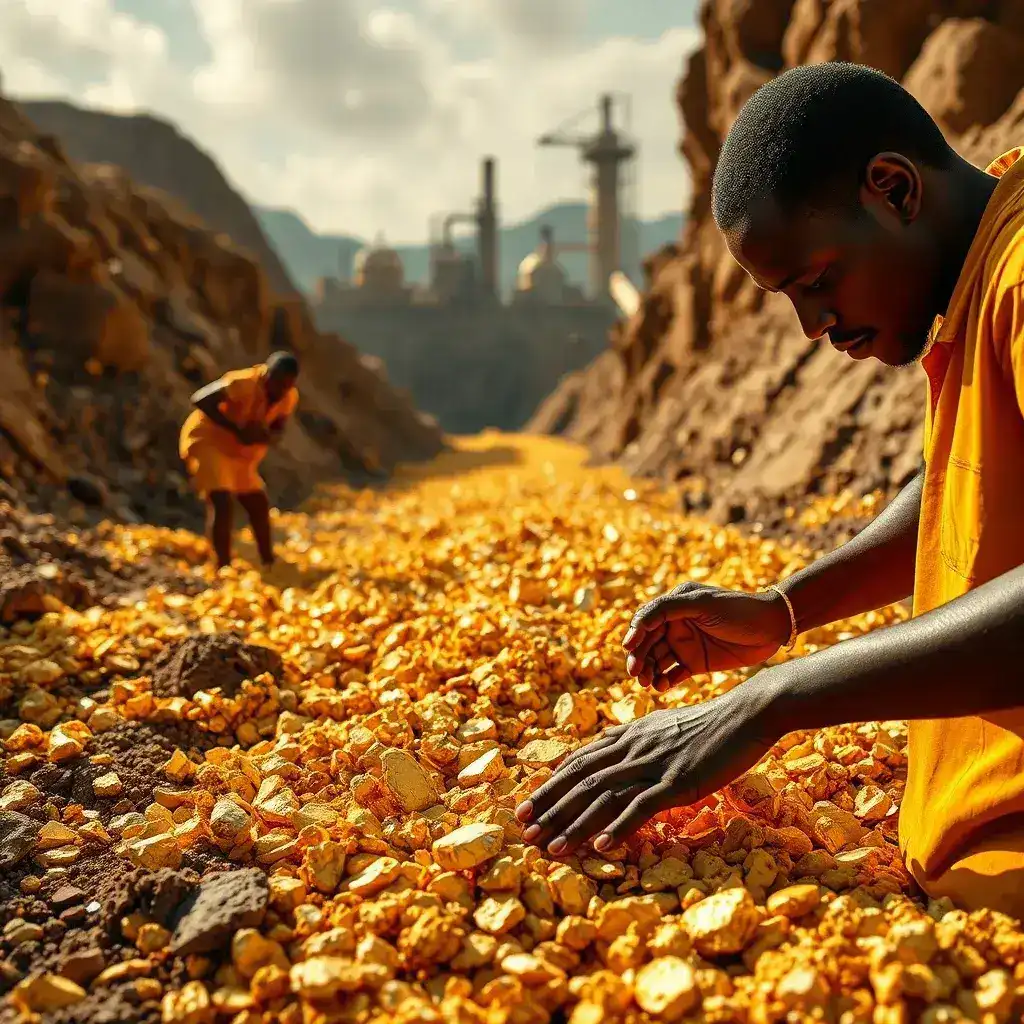
Former Finance Minister Seth Terkper has attributed the recent strengthening of Ghana’s currency, the cedi, and the bolstering of its foreign exchange reserves to the successful clean-up of the nation’s gold marketing system. Terkper made these remarks on the PM Express Business Edition, entering the ongoing public discourse surrounding the Bank of Ghana’s financial losses.
Context of Economic Debate
Ghana’s economic performance has been under scrutiny, with particular attention paid to the Bank of Ghana’s reported losses. Critics have questioned the broader implications of these financial setbacks for the national economy.
Mr. Terkper highlighted that this focus on losses often overshadows positive developments in other crucial sectors, such as the gold industry. He argued for a more balanced assessment that includes the gains derived from reforms in gold trading and marketing.
Sanitizing the Gold Market
According to Terkper, a primary objective of the government’s finance advisors was to rapidly rebuild the country’s external buffers. “One of the things was moving quickly to strengthen the reserves, which translated into the appreciation of the cedi,” he stated.
He specifically pointed to the “sanitisation of the marketing of gold” as a key driver behind these positive outcomes. While acknowledging that the reform process was not without its imperfections, Terkper asserted that the intervention yielded significant benefits.
“I believe that, yes, you couldn’t get everything right, but at the same time, we need to compliment,” he urged, suggesting that the achievements in the gold sector deserve recognition.
The former minister elaborated that these reforms introduced much-needed order into a sector historically plagued by leakages and inadequate control mechanisms. “There’s some sanitisation of that whole sector, which led to a significant increase in reserves for the central bank,” he explained.
Gold’s Global Significance
Mr. Terkper also positioned Ghana’s gold sector within the broader global economic landscape. He emphasized gold’s role as a powerful alternative to the US dollar, a safe-haven asset in volatile economic times.
“Globally, gold is the most aggressive competitor for the dollar, before you come to the euro, yen and others,” Terkper noted. This global dynamic underscores the strategic importance of managing Ghana’s gold resources effectively.
As a major gold producer, Terkper stressed that Ghana’s historical approach to gold exports had seen the commodity benefit other economies rather than fortify domestic financial stability. “Ghana is the Gold Coast,” he remarked, referencing the nation’s rich history in gold production.
He lamented that for years, Ghana’s gold exports were primarily supporting the economies of other nations, from the Middle East to Europe, instead of strengthening Ghana’s own financial foundations. “Ghana’s gold was going all the way out to other countries, which they were using to stabilise their economy, from the Middle East to Europe to everywhere,” he said.
Implications and Future Outlook
The insights from Seth Terkper suggest a complex interplay between sectoral reforms, currency stability, and national reserves. The successful clean-up of the gold marketing system, as described, offers a potential model for other resource-dependent economies seeking to maximize the benefits of their natural wealth.
Moving forward, the focus will likely remain on sustaining these reforms and ensuring continued transparency and efficiency in Ghana’s gold sector. Observers will be watching to see if these gains can be further consolidated and how they contribute to Ghana’s overall economic resilience in the face of global financial uncertainties. The strategic management of gold, as a key global currency alternative, will be crucial for Ghana’s economic future.










Leave a Reply