
Seven cases of hantavirus, including fatalities, have been confirmed and two others suspected, all linked to the MV Hondius cruise ship, with affected passengers now returning to France, the United States, the Netherlands, and South Africa. The outbreak, believed to be the Andes strain of the virus, raises public health concerns as individuals diagnosed with the illness disembark and travel back to their home countries.
Cruise Ship Becomes Epicenter of Hantavirus Cases
The MV Hondius, currently docked in Spain’s Canary Islands, has become the focus of an international health alert following the confirmation of hantavirus cases among its passengers. Authorities confirmed the first case in France involving a woman who is reportedly deteriorating while isolating in Paris. This follows the return of an American national to the U.S. who tested positive for the virus. Both individuals traveled back in specialized biocontainment units as a precautionary measure.
In total, seven cases have been confirmed, with two additional suspected cases being monitored by the World Health Organisation (WHO). Three passengers have tragically died, with two of these deaths confirmed as hantavirus-related. The WHO indicated that the individual believed to be the first infected on the ship passed away before testing could be conducted.
Global Repatriation and Health Monitoring
As the ship remains docked in Tenerife, Spain, more than 90 passengers and crew are undergoing repatriation. Spanish health officials reported that 54 individuals were still on board, including six passengers: four Australians, one Briton, and one New Zealander. Some passengers began disembarking on Monday to fly to the Netherlands, while others, including four Canadian passengers, arrived in Victoria, British Columbia, on Sunday via a chartered flight.
In the United States, 17 citizens who arrived on a repatriation flight were taken to a medical facility in Nebraska for clinical assessment. Seven other U.S. passengers had already returned to their home states and are under monitoring. A British national residing in the U.S. was also part of the U.S. repatriation flight.
Understanding Hantavirus Transmission and Symptoms
Hantaviruses are typically carried by rodents. However, the Andes strain, believed to be the cause of this outbreak, is known to have the potential for human-to-human transmission, according to the WHO. Passengers are thought to have contracted the virus while in South America.
Symptoms of hantavirus infection can include fever, extreme fatigue, muscle aches, stomach pain, vomiting, diarrhea, and shortness of breath. The incubation period and the severity of symptoms can vary.
Differing Public Health Approaches
The differing approaches to managing the outbreak have become apparent. WHO head Tedros Adhanom Ghebreyesus previously expressed concern over the U.S. decision not to adhere to the organization’s recommended 42-day isolation period for individuals leaving the MV Hondius, suggesting it could pose risks. Conversely, Dr. Jay Bhattacharya, acting head of the U.S. Centers for Disease Control (CDC), stated that human-to-human transmission is rare and emphasized the need to avoid public panic, drawing a distinction from the handling of the COVID-19 virus.
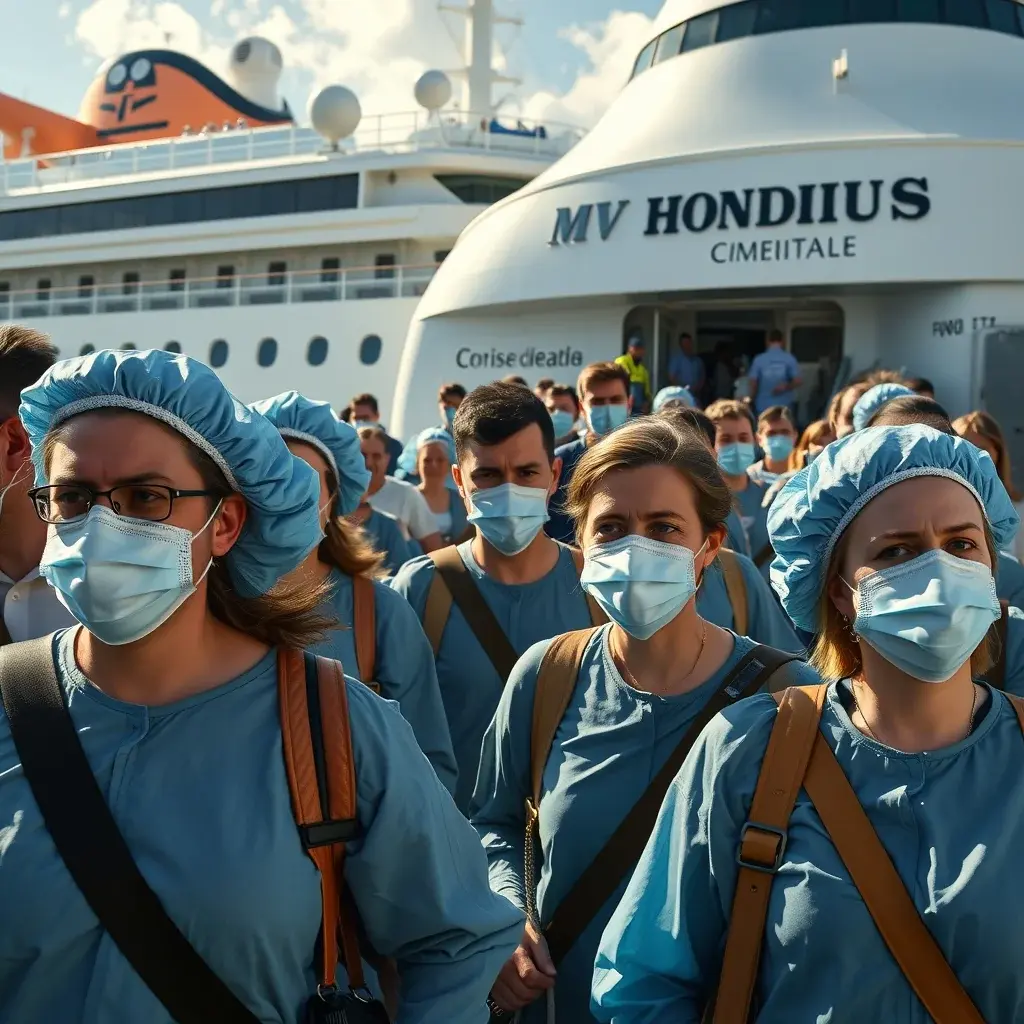
Passengers disembarking the ship were observed wearing protective gear, including blue gowns, bouffant caps, and medical face masks, highlighting the precautionary measures being taken at the port.
Implications and Future Watch
The international spread of hantavirus from a single cruise ship underscores the interconnectedness of global health and the challenges of managing infectious disease outbreaks in a highly mobile population. The varying quarantine and monitoring protocols implemented by different countries will be crucial to observe in containing the spread. Attention will remain on the health status of repatriated passengers and any further case developments. The potential for human-to-human transmission of the Andes strain, even if rare, warrants continued vigilance from public health organizations worldwide. The effectiveness of different national responses in preventing secondary outbreaks will be a key indicator in the coming weeks.









Leave a Reply