
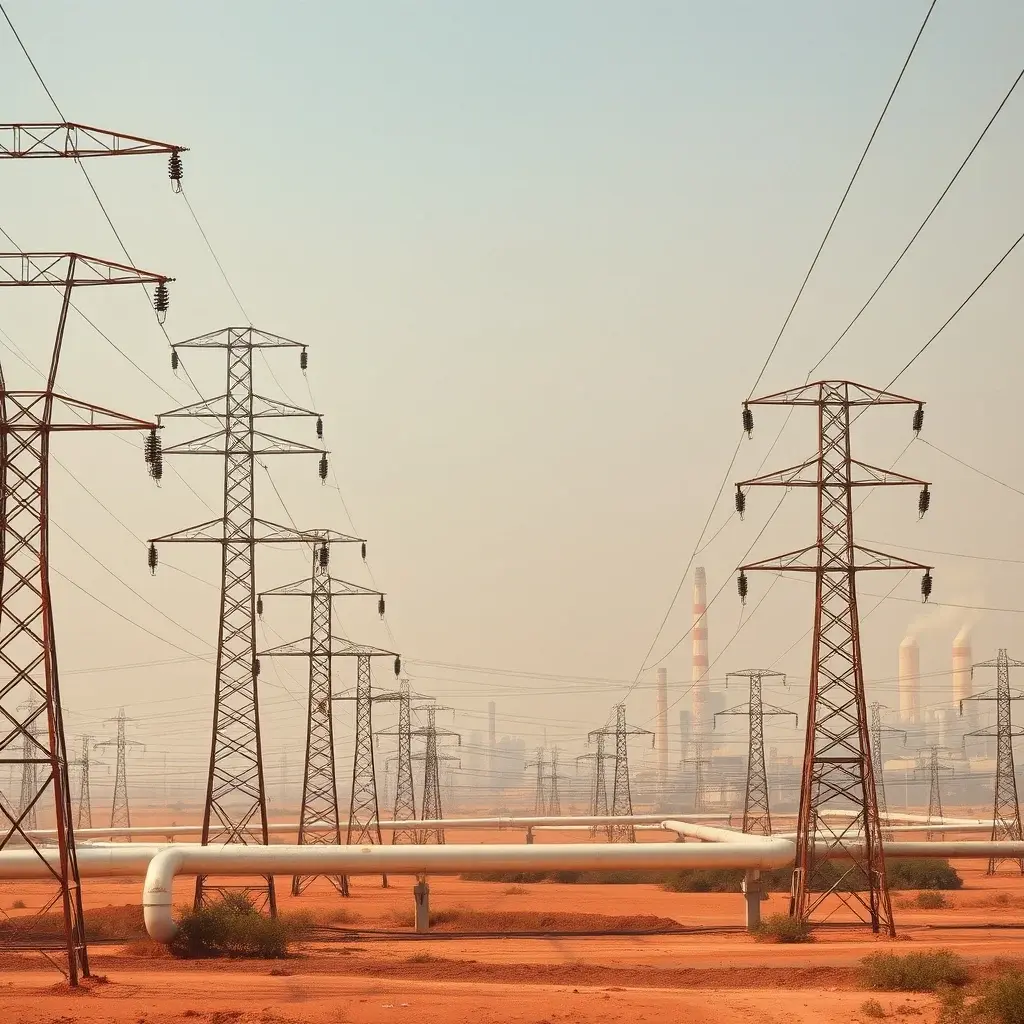
Accra, Ghana – A Member of Parliament on the Energy Committee, Michael Aidoo, has urgently called for coordinated investments in Ghana’s gas supply chain and electricity transmission infrastructure. Speaking on JoyNews’ The Pulse on Thursday, April 30, Aidoo warned that persistent weaknesses in these critical sectors are directly contributing to the nation’s recurring power challenges, advocating for long-term structural solutions over what he termed “knee-jerk reactions.”
Context: Shifting Energy Landscape
Ghana’s energy generation mix has seen a significant shift over the years. Historically reliant on hydropower, the nation now depends heavily on thermal power plants, which require a consistent and adequate supply of natural gas. This dependency makes the gas supply chain a critical bottleneck when disruptions occur.
The Ghana National Gas Company (Ghana Gas) is the primary entity responsible for processing and supplying natural gas for power generation. However, its current capacity is reportedly insufficient to meet the full demand of the thermal plants, leading to potential output reductions.
Analysis: Deep-Rooted Infrastructure Deficiencies
Aidoo highlighted that Ghana’s thermal generation sector remains highly vulnerable to gas supply shortages. He stated that “some of the thermal plants are down because they need gas.” This situation directly impacts the availability of electricity for consumers and industries.
“Ghana Gas alone cannot fully support our thermal generation needs,” Aidoo emphasized, referencing past plans for expansion projects like Ghana Gas Phase 2. He stressed the need for “prioritising funding and allocations to ensure adequate gas supply to sustain our thermal plants” to prevent future power crises.
Beyond fuel security, the lawmaker pointed to significant underinvestment in the electricity transmission and distribution infrastructure. GRIDCo, the entity responsible for transmitting electricity nationwide, has consistently faced budgetary constraints, hindering essential maintenance and system upgrades.
“When spending is constrained, it affects maintenance and the ability to keep facilities in good condition,” Aidoo explained, noting that similar financial limitations plague the Electricity Company of Ghana (ECG). These constraints impede the ECG’s capacity for critical maintenance and procurement, further jeopardizing supply reliability.
Expert Perspectives and Data
Aidoo’s concerns are underscored by the current generation statistics. He noted that “hydro accounts for less than 40%, in some cases less than 30% of our power generation, while the remainder is thermal.” This statistic vividly illustrates the nation’s heavy reliance on gas-dependent thermal plants.
The lawmaker’s call for a comprehensive approach includes not only strengthening gas supply and transmission but also accelerating the expansion of renewable energy sources. He specifically mentioned solar mini-grids as a viable option for smaller, remote communities.
“Decentralised solar projects could help reduce pressure on the national grid while improving access in remote areas,” he proposed. This suggests a strategic diversification of the energy mix to enhance overall resilience.
Implications for Consumers and Industry
The recurring power issues, often referred to locally as ‘dumsor’, have a tangible impact on Ghanaian households and businesses. Unreliable electricity supply disrupts daily life, affects productivity, and increases operational costs for industries that depend on stable power.
Underinvestment in infrastructure means a higher risk of system failures, leading to unpredictable outages. This instability deters investment and hampers economic growth.
Looking Ahead: The Path to Stability
The current discussions reflect a national dialogue on the stability of Ghana’s power supply and the sustainability of its energy financing models. Aidoo’s call for urgent, coordinated investment signals a critical juncture for the country’s energy sector.
What remains to be seen is the government’s response to these persistent calls for structural reform and increased investment. The effectiveness of future energy policies will depend on their ability to address both immediate fuel supply needs and long-term infrastructure development, alongside a strategic embrace of renewable energy solutions to ensure a more reliable and sustainable power future for Ghana.










Leave a Reply