
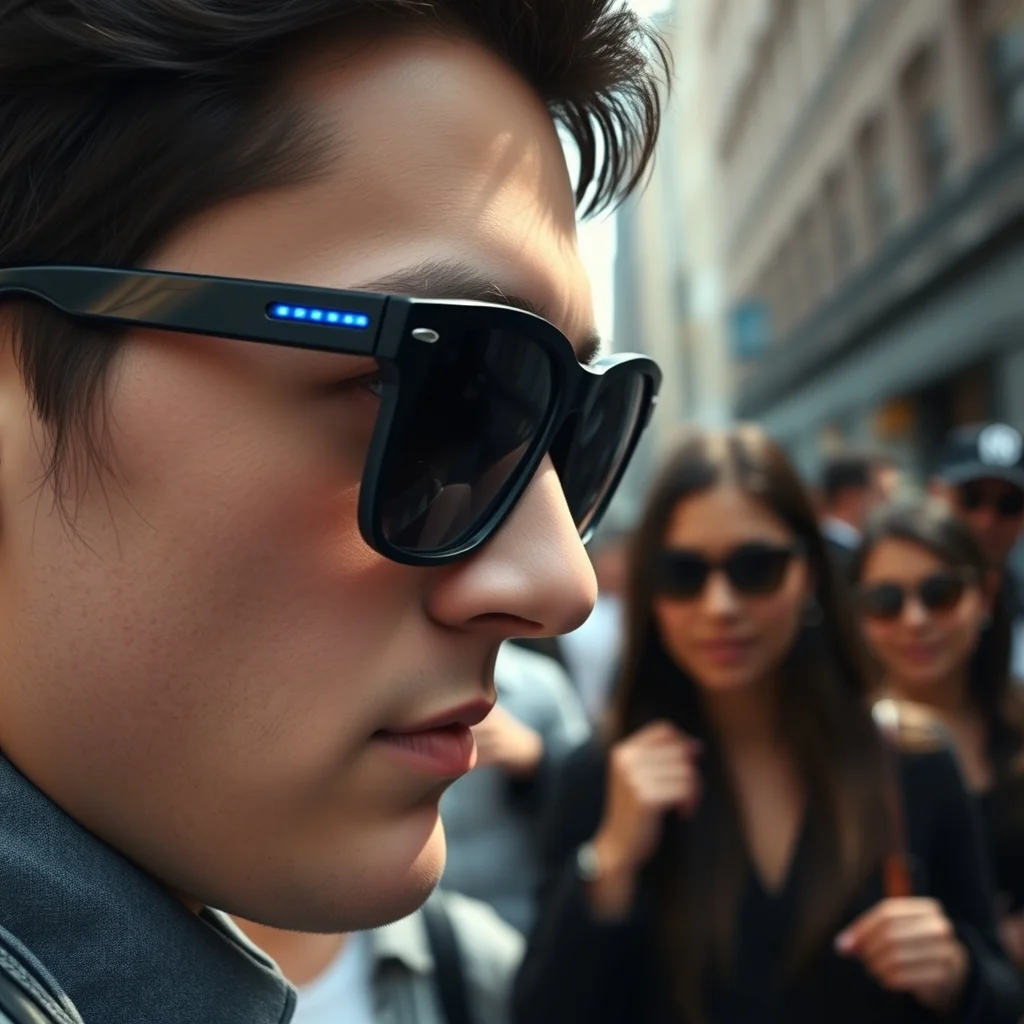
Meta’s Ray-Ban smart glasses, featuring integrated cameras and audio capabilities, are experiencing record sales, with over seven million pairs sold globally, despite escalating concerns about privacy violations. The devices, which allow wearers to discreetly record video and take photos, are increasingly being used in public spaces without the explicit consent of those being filmed, leading to widespread unease and legal challenges.
A Growing Privacy Dilemma
Reports have emerged of individuals, primarily men wearing Meta’s smart glasses, approaching women in public – such as outside shops or on beaches – to film their reactions to casual questions or pick-up lines. These videos are often posted online, sometimes going viral, with the subjects only discovering they have been filmed without their knowledge or consent. Many victims report feeling violated and having limited legal recourse, as photography in public is generally considered legal.
One distressing account shared with the BBC detailed a woman being told that a request to remove a secretly recorded video of her was a “paid service.” This highlights a disturbing trend where individuals are exploiting the unobtrusive nature of smart glasses for personal gain or harassment.
Meta’s Dominance and User Experience
Meta’s smart glasses currently dominate the market, estimated to hold over 80% of AI or smart glasses sales. Launched in partnership with EssilorLuxottica, they offer the classic aesthetic of Ray-Ban frames, concealing a small camera, speakers, and a display for augmented reality information. A simple touch on the frame can initiate recording or photo capture.
However, the technology’s subtlety has even caught wearers off guard. Lawsuits have been filed by users who claimed they were unaware that videos captured by their glasses were being reviewed by human moderators for AI training data, with some of this content reportedly being graphic, including sexual acts and bathroom usage. Meta maintains that its terms of service inform users about potential human review.
Industry Expansion and Potential Pitfalls
Despite these controversies, Meta CEO Mark Zuckerberg has touted the glasses as “some of the fastest-growing consumer electronics in history.” The company’s success is prompting other major tech players to enter the market. Apple is reportedly developing its own smart glasses for a potential 2024 release, while Snap plans to launch a new version of its Spectacles. Google is also attempting a comeback in the smart glasses space more than a decade after the privacy-laden failure of Google Glass.
These upcoming devices are expected to integrate AI and augmented reality (AR) capabilities, features that inherently rely on cameras, thus perpetuating the privacy debate.
Everyday Use and Emerging Concerns
Not all uses of smart glasses are negative. Mark Smith, a tech-savvy early adopter and partner at advisory firm ISG, wears his Meta Ray-Bans daily. He finds them convenient for listening to music or podcasts at home without blocking external sounds, taking calls, and quickly capturing photos or videos while traveling.
Yet, Smith acknowledges the potential for privacy issues. He notes that the recording indicator light is dim and often missed, leaving people unaware they are being filmed. As smart glasses become more prevalent, with researchers predicting up to 100 million users in the coming years, enforcing laws against recording in sensitive locations like courthouses, hospitals, and bathrooms could become significantly more challenging.
Legal and Ethical Implications
David Kessler, US privacy practice head at Norton Rose Fulbright, notes that many corporate clients are already confronting these issues. “There are some pretty dark places we could go here,” Kessler stated, questioning societal preparedness for constant potential surveillance. The prospect of Meta adding facial recognition technology to future versions of its glasses further amplifies these concerns, potentially enabling wearers not only to record but also to identify individuals surreptitiously.
Meta’s marketing tagline, “Designed for privacy, controlled by you,” contrasts sharply with user behavior. Suggestions to avoid recording in sensitive spaces or to respect requests not to be filmed are frequently ignored.
Backlash and Resistance
A growing trend involves using the glasses for pranks on unsuspecting individuals, such as fake petitions or staged reactions to unpleasant stimuli. Online influencer Aniessa Navarro recounted feeling “sick” upon realizing her waxing technician was wearing Meta’s glasses during her session.
Meta’s CTO, Andrew Bosworth, recently suggested that the high sales volume indicates widespread acceptance. However, David Harris, a former Meta AI researcher and AI policy advisor, predicts that these AI smart glasses will face similar backlash to Google Glass due to their inherent privacy invasions.
Signs of this backlash are already evident. In December, a man’s complaint about his Meta glasses being broken by a woman he was recording on the NYC Subway garnered widespread online support for the woman, who was hailed as a hero. This incident underscores a growing public awareness and resistance to the pervasive surveillance capabilities of new wearable technology.
The Road Ahead
As more companies prepare to launch their own smart glasses, the debate over privacy, consent, and responsible technology use will intensify. The ability of individuals and institutions to maintain personal space and control over their image in public will be increasingly tested. The coming years will likely see new regulations, technological safeguards, and evolving social norms attempting to navigate the complex landscape of ubiquitous personal recording devices.










Leave a Reply