
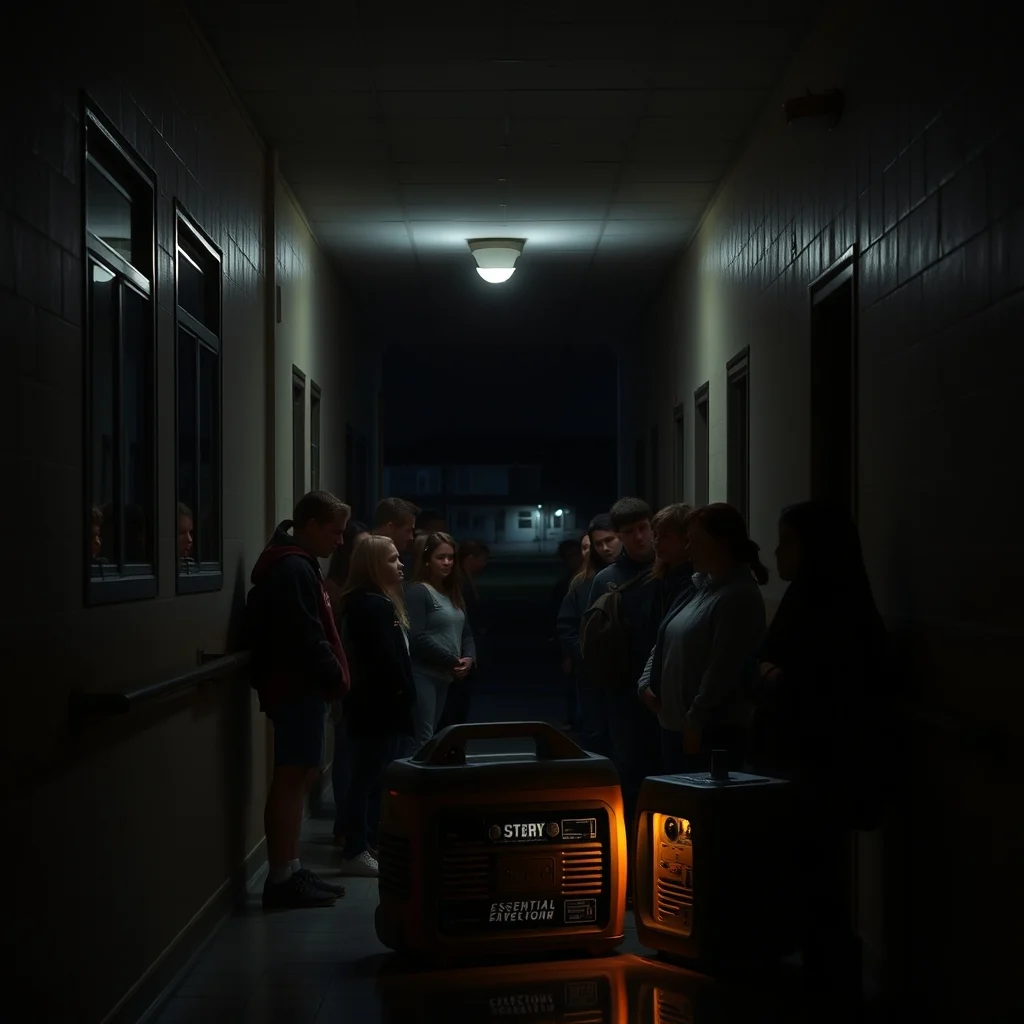
Nkawie Senior High Technical School (SHTS) in Ghana is grappling with a significant security crisis due to frequent and prolonged power outages, commonly known as “dumsor.” Headmistress Mrs. Faustina Sekyere highlighted that the lack of an alternative power source plunges the entire campus into darkness whenever electricity fails, leaving students and staff vulnerable to security threats, including armed robbery. This situation has also severely disrupted crucial evening study sessions for students, particularly those preparing for the West African Senior School Certificate Examination (WASSCE).
Campus Plunged into Darkness, Security Compromised
The recurring “dumsor” has created a perilous environment on the Nkawie SHTS campus. Without lighting, the school becomes an easy target for criminal activities. Mrs. Sekyere recounted a harrowing incident where students arriving on campus at night during a power outage were attacked by armed robbers, underscoring the immediate danger faced by the school community.
The headmistress emphasized that the school currently lacks any backup power generation system, making it entirely dependent on the national grid. This dependency leaves them exposed to the whims of power supply fluctuations.
Disruption to Academic Activities
Beyond security concerns, the power outages significantly impede academic progress. Evening study periods, vital for exam preparation, are rendered impossible when the campus is dark. This forces students, especially WASSCE candidates, to try and absorb information throughout the day, an unsustainable and inefficient learning method.
The disruption affects not only general studies but also practical learning, particularly in the Information and Communication Technology (ICT) department, which relies heavily on powered equipment.
Community Support and a Call for Aid
In response to the escalating crisis, an old student, Dominic Bonsu, donated a mini generator to the school. This gesture aims to provide some relief by ensuring essential lighting is available during outages. Mr. Bonsu stated that his visit to the school one evening revealed the dire lighting situation and the associated risks, motivating his donation.
Mrs. Sekyere seized the opportunity to appeal for further assistance from the school’s alumni network and philanthropists. She stressed the urgent need for more support, including essential educational resources like computers and mono desks, to enhance the quality of teaching and learning, especially in ICT.
Mr. Bonsu echoed the headmistress’s appeal, urging the government and other stakeholders to prioritize the developmental needs of Nkawie SHTS. He also revealed ongoing plans for additional development projects and called upon all past students to contribute to the institution’s improvement.
Students Express Gratitude, Seek Further Solutions
Students at Nkawie SHTS have expressed their appreciation for the timely intervention of Mr. Bonsu and the Assembly Member, acknowledging their commitment to improving student welfare and campus safety. However, the donation, while helpful, is a temporary solution to a systemic problem.
Broader Implications and Future Outlook
The situation at Nkawie SHTS highlights a broader challenge faced by educational institutions in regions experiencing unreliable power supply. The lack of basic infrastructure like consistent electricity and backup power sources directly impacts student safety, academic performance, and the overall learning environment. This dependency on external power grids makes schools vulnerable and hinders their ability to provide a conducive atmosphere for education.
The incident serves as a stark reminder of the critical need for investment in resilient infrastructure for educational facilities. As Ghana continues to experience periods of “dumsor,” schools like Nkawie SHTS will require sustainable solutions, including reliable backup power systems and improved security measures, to ensure the safety and academic success of their students. The call for greater alumni and philanthropic involvement is crucial, but it also points to a larger responsibility for governmental and utility bodies to ensure consistent service delivery to vital public institutions.










Leave a Reply